
Del i serien NIU Series in Orthodox Christian Studies
Greek Orthodox Church in America
A Modern History
Inbunden, Engelska, 2020
2 099 kr
Beställningsvara. Skickas inom 10-15 vardagar. Fri frakt för medlemmar vid köp för minst 249 kr.
Finns i fler format (1)
In this sweeping history, Alexander Kitroeff shows how the Greek Orthodox Church in America has functioned as much more than a religious institution, becoming the focal point in the lives of the country's million-plus Greek immigrants and their descendants. Assuming the responsibility of running Greek-language schools and encouraging local parishes to engage in cultural and social activities, the church became the most important Greek American institution and shaped the identity of Greeks in the United States. Kitroeff digs into these traditional activities, highlighting the American church's dependency on the "mother church," the Greek Orthodox Patriarchate of Constantinople, and the use of Greek language in the Sunday liturgy. Today, as this rich biography of the church shows us, Greek Orthodoxy remains in between the Old World and the New, both Greek and American.
Produktinformation
- Utgivningsdatum2020-06-15
- Mått152 x 229 x 28 mm
- Vikt907 g
- FormatInbunden
- SpråkEngelska
- SerieNIU Series in Orthodox Christian Studies
- Antal sidor330
- FörlagCornell University Press
- ISBN9781501749438
Tillhör följande kategorier
Hoppa över listan
Mer från samma serie
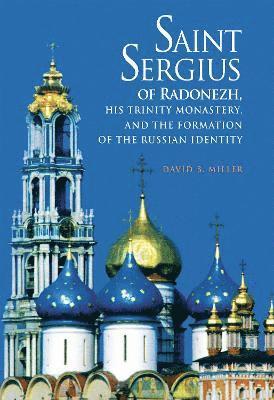
Saint Sergius of Radonezh, His Trinity Monastery, and the Formation of the Russian Identity
David B. Miller
Inbunden, 2010
799 kr
Hoppa över listan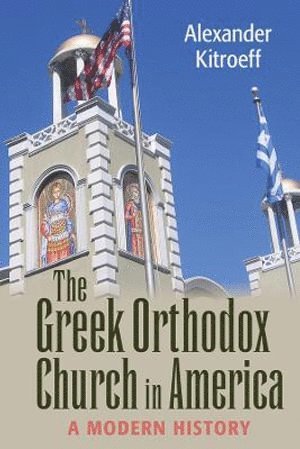




Du kanske också är intresserad av
True Significance of Sacred Tradition and Its Great Worth, by St. Raphael M. Hawaweeny
St. Raphael M. Hawaweeny, Patrick Demetrios Viscuso
Inbunden, 2017
989 kr
Del 3
- Nyhet