
Del 2
Del i serien Routledge Research in Language Education
Global Challenges Facing Early Language Teaching
Exploring English Language Learning in Diverse Plurilingual Contexts
Inbunden, Engelska, 2026
3 109 kr
Beställningsvara. Skickas inom 10-15 vardagar. Fri frakt för medlemmar vid köp för minst 249 kr.
Acknowledging the differing motivations between multilingual and monolingual societies in advocating for the adoption of a second language amongst (pre)primary school children, this book discusses universal challenges in implementing early language teaching in various international contexts.Effectively teaching additional languages to young learners requires an understanding of their learning capacities, as well as their socio-linguistic backgrounds and linguistic repertoires. Demonstrating findings from global contexts such as those from Japan, Cyprus, Spain, Poland, Slovenia, Germany, South Korea, Croatia, Indonesia, Canada, and the UK, this book provides valuable means to support additional language acquisition that have garnered local success, focusing on plurilingual contexts, migrant populations, and the need for samples of ELL syllabi, outcomes and assessment. Through cross-sectional surveys, ethnographic small-scale studies and experimental empirical research reports, this book looks to foster future plurilingual individuals who can communicate successfully.This book will be of interest to scholars, researchers, and postgraduate students in the fields of Bilingualism/ESL, teaching and learning, early childhood education and education policy. Curriculum designers working in international language education contexts may also find this volume of use.
Produktinformation
- Utgivningsdatum2026-05-05
- Mått156 x 234 x 14 mm
- Vikt580 g
- FormatInbunden
- SpråkEngelska
- SerieRoutledge Research in Language Education
- Antal sidor204
- FörlagTaylor & Francis Ltd
- ISBN9781041080176
Tillhör följande kategorier
Hoppa över listan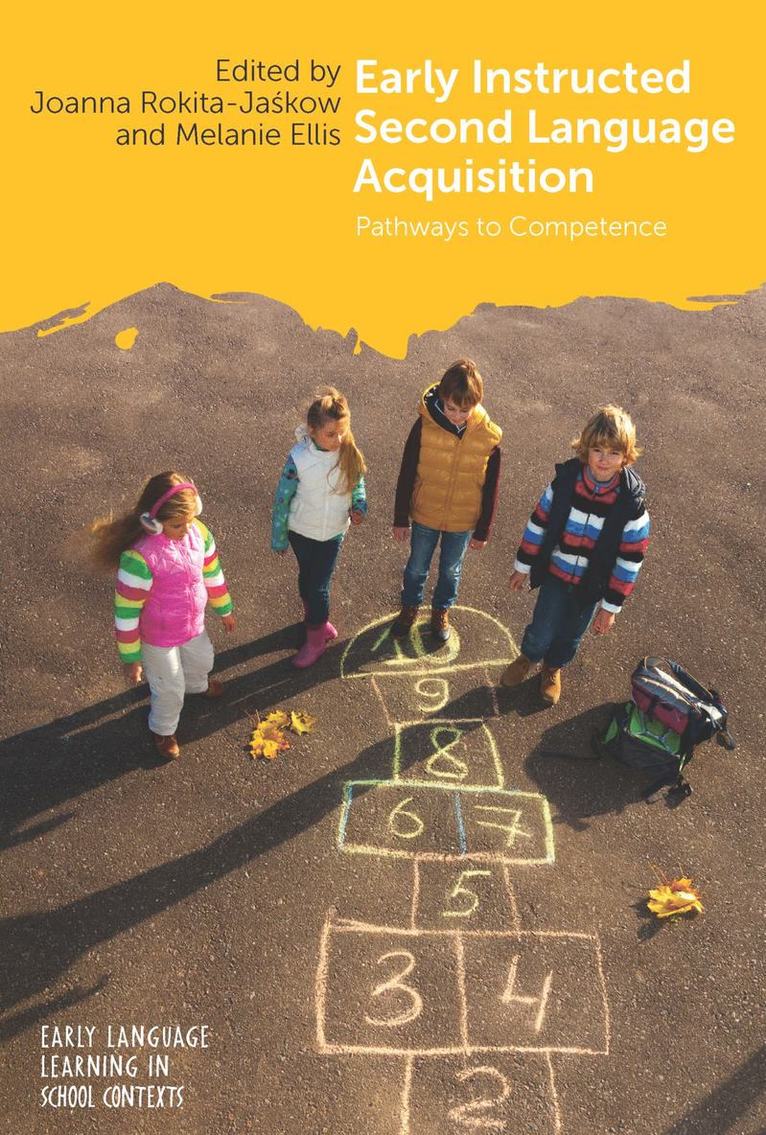
Mer från samma författare
Del 2
Early Instructed Second Language Acquisition
Joanna Rokita-Jaśkow, Melanie Ellis
Inbunden, 2019
2 289 kr
Del 9
Del 9
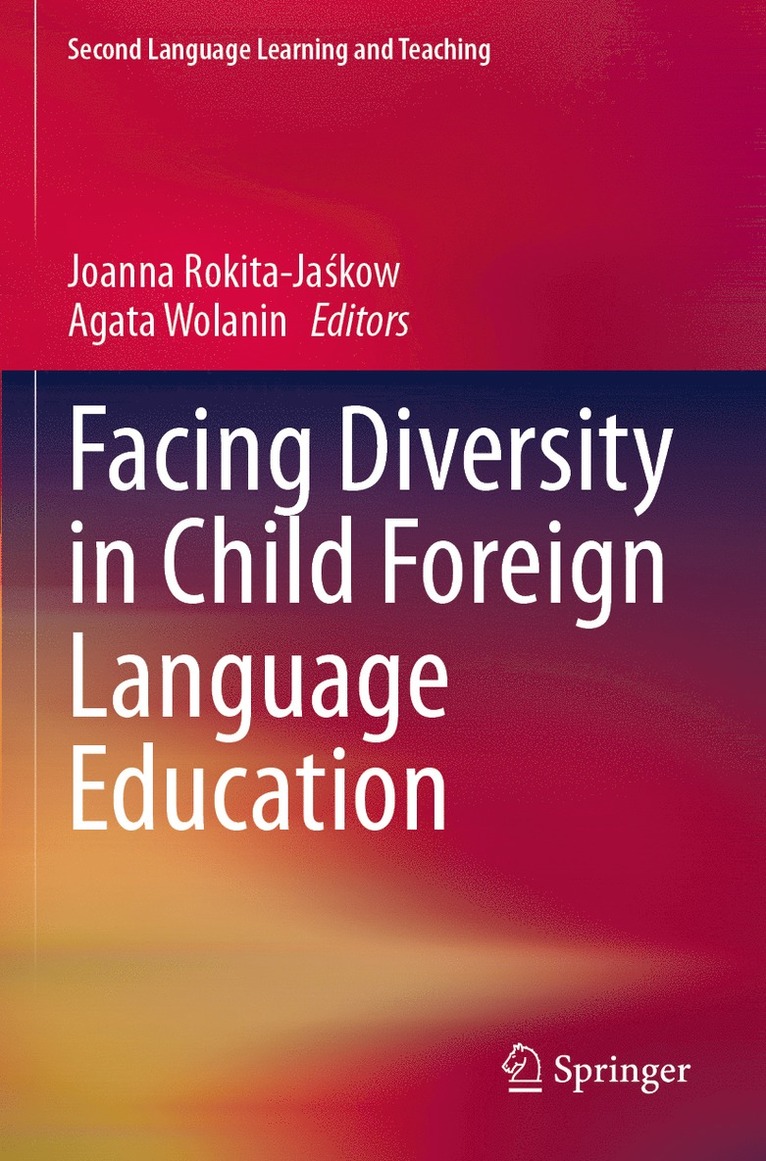
Facing Diversity in Child Foreign Language Education
Joanna Rokita-Jaśkow, Agata Wolanin
Inbunden, 2021
1 949 kr
Facing Diversity in Child Foreign Language Education
Joanna Rokita-Jaśkow, Agata Wolanin
Häftad, 2022
1 949 kr
Hoppa över listan








Mer från samma serie
Education for Sustainable Development in Foreign Language Learning
María de la Fuente
Häftad, 2023
829 kr
Further Language Learning in Linguistic and Cultural Diverse Contexts
Barbara Gross
Inbunden, 2019
3 109 kr
Multilingual Approaches for Teaching and Learning
Claudine Kirsch, Joana Duarte
Inbunden, 2020
3 109 kr
Neoliberalism and English Language Education Policies in the Arabian Gulf
Osman Barnawi
Häftad, 2019
859 kr
Hoppa över listan



Du kanske också är intresserad av
Del 2
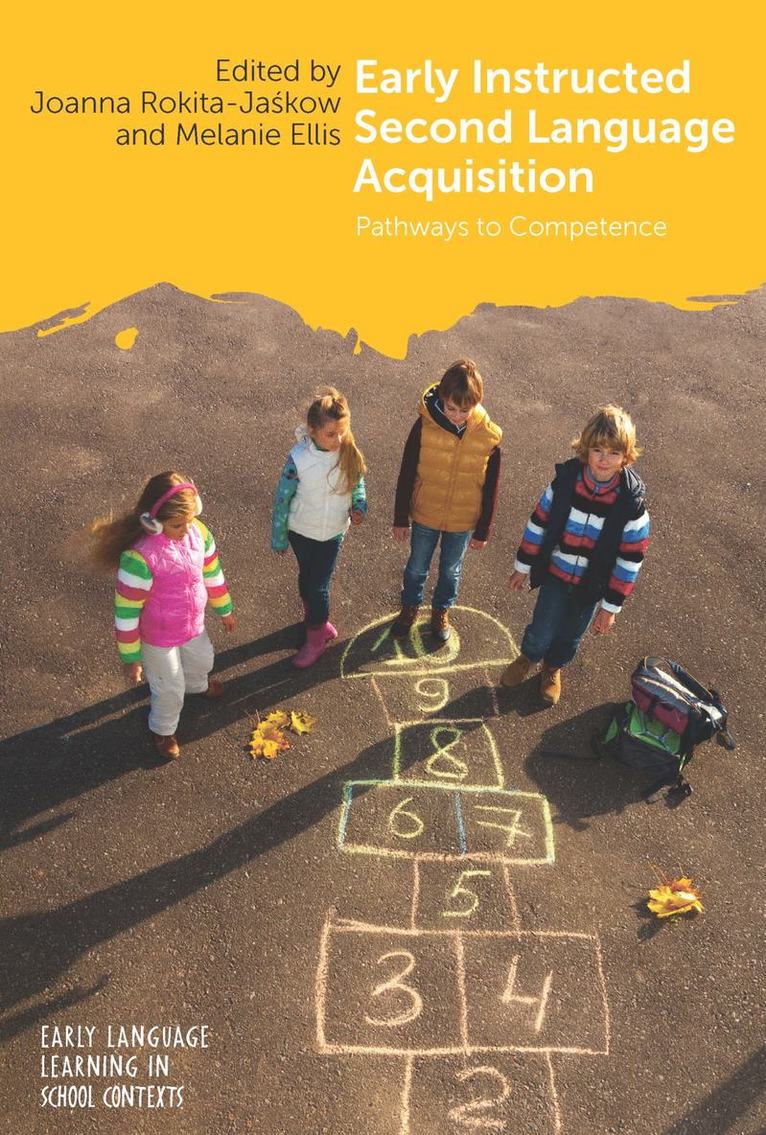
Early Instructed Second Language Acquisition
Joanna Rokita-Jaśkow, Melanie Ellis
Inbunden, 2019
2 289 kr
Del 2
Del 9
Facing Diversity in Child Foreign Language Education
Joanna Rokita-Jaśkow, Agata Wolanin
Häftad, 2022
1 949 kr
Facing Diversity in Child Foreign Language Education
Joanna Rokita-Jaśkow, Agata Wolanin
Inbunden, 2021
1 949 kr
Del 9
- Nyhet
Del 11
- Nyhet
Del 3