
Del i serien Bloomsbury Studies in the City
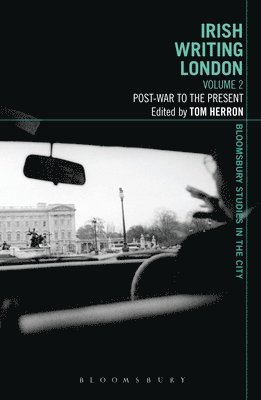
Irish Writing London: Volume 2
Post-War to the Present
Häftad, Engelska, 2014
809 kr
Beställningsvara. Skickas inom 10-15 vardagar. Fri frakt för medlemmar vid köp för minst 249 kr.
The presence of Irish writers is almost invisible in literary studies of London. The Irish Writing London redresses the critical deficit. A range of experts on particular Irish writers reflect on the diverse experiences and impact this immigrant group has had on the city. Such sustained attention to a location and concern of Irish writing, long passed over, opens up new terrain to not only reveal but create a history of Irish-London writing. Alongside discussions of MacNeice, Boland and McGahern, the autobiography of Brendan Behan and identity of Irish-language writers in London is considered. Written by an internal array of scholars, these new essays on key figures challenge the deep-seated stereotype of what constitutes the proper domain of Irish writing, producing a study that is both culturally and critically alert and a dynamic contribution to literary criticism of the city.
Produktinformation
- Utgivningsdatum2014-06-05
- Mått156 x 234 x 10 mm
- Vikt221 g
- FormatHäftad
- SpråkEngelska
- SerieBloomsbury Studies in the City
- Antal sidor184
- FörlagBloomsbury Publishing PLC
- ISBN9781472576637
Tillhör följande kategorier
Hoppa över listan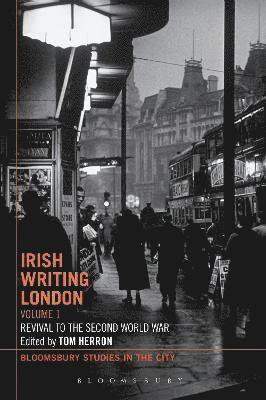
Du kanske också är intresserad av
Iain Sinclair: Noise, Neoliberalism and the Matter of London
Niall Martin, Lawrence Phillips
Häftad, 2017
809 kr
Iain Sinclair: Noise, Neoliberalism and the Matter of London
Niall Martin, Lawrence Phillips
Inbunden, 2015
2 689 kr