
Del i serien SOAS Studies in Modern and Contemporary Japan
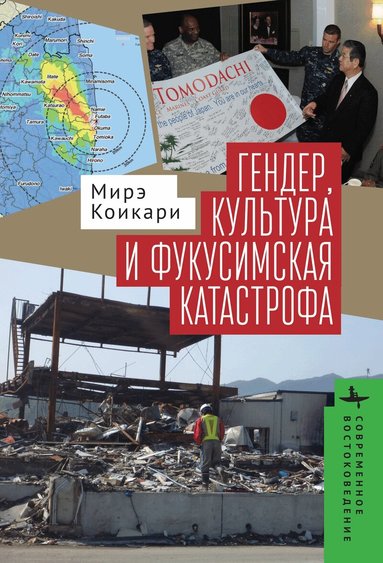
Gender, Culture, and Disaster in Post-3.11 Japan
Inbunden, Engelska, 2020
2 099 kr
Beställningsvara. Skickas inom 10-15 vardagar. Fri frakt för medlemmar vid köp för minst 249 kr.
Finns i fler format (2)
The Great East Japan Disaster – a compound catastrophe of earthquake, tsunami, and nuclear meltdown that began on March 11, 2011 – has ushered in a new era of cultural production dominated by discussions on safety and security, risk and vulnerability, and recovery and refortification. Gender, Culture, and Disaster in Post-3.11 Japan re-frames post-disaster national reconstruction as a social project imbued with dynamics of gender, race, and empire and in doing so Mire Koikari offers an innovative approach to resilience building in contemporary Japan. From juvenile literature to civic manuals to policy statements, Koikari examines a vast array of primary sources to demonstrate how femininity and masculinity, readiness and preparedness, militarism and humanitarianism, and nationalism and transnationalism inform cultural formation and transformation triggered by the unprecedented crisis. Interdisciplinary in its orientation, the book reveals how militarism, neoliberalism, and neoconservatism drive Japan’s resilience building while calling attention to historical precedents and transnational connections that animate the ongoing mobilization toward safety and security. An important contribution to studies of gender and Japan, the book is essential reading for all those wishing to understand local and global politics of precarity and its proposed solutions amid the rising tide of pandemics, ecological hazards, industrial disasters, and humanitarian crises.
Produktinformation
- Utgivningsdatum2020-10-15
- Mått156 x 234 x 13 mm
- Vikt472 g
- FormatInbunden
- SpråkEngelska
- SerieSOAS Studies in Modern and Contemporary Japan
- Antal sidor240
- FörlagBloomsbury Publishing PLC
- ISBN9781350122499
Tillhör följande kategorier
Hoppa över listan
Mer från samma serie
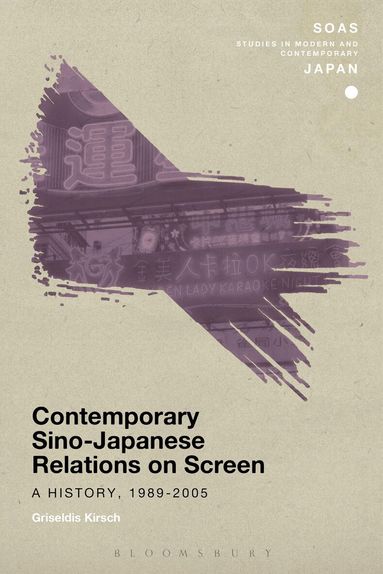
Contemporary Sino-Japanese Relations on Screen
Griseldis Kirsch, Christopher Gerteis
Häftad, 2016
749 kr
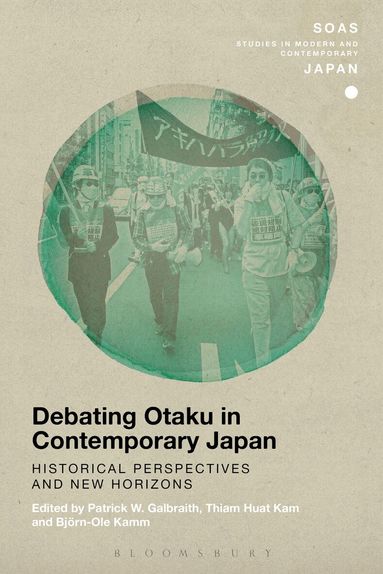
Debating Otaku in Contemporary Japan
Patrick W. Galbraith, Thiam Huat Kam, Björn-Ole Kamm
Häftad, 2016
749 kr
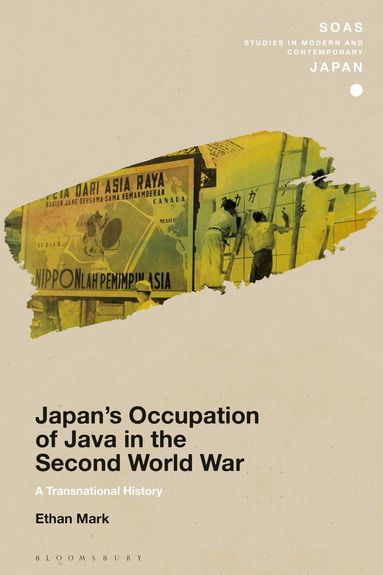
Japan’s Occupation of Java in the Second World War
Ethan Mark, Christopher Gerteis
Inbunden, 2018
2 669 kr
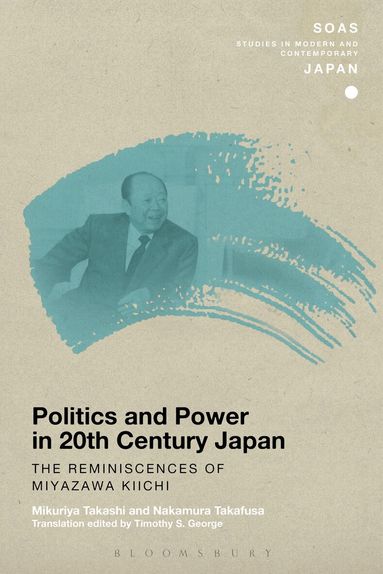
Politics and Power in 20th-Century Japan: The Reminiscences of Miyazawa Kiichi
Mikuriya Takashi, Nakamura Takafusa
Häftad, 2017
789 kr
Mass Media, Consumerism and National Identity in Postwar Japan
Martyn David Smith, Christopher Gerteis
Inbunden, 2018
2 479 kr
Hoppa över listan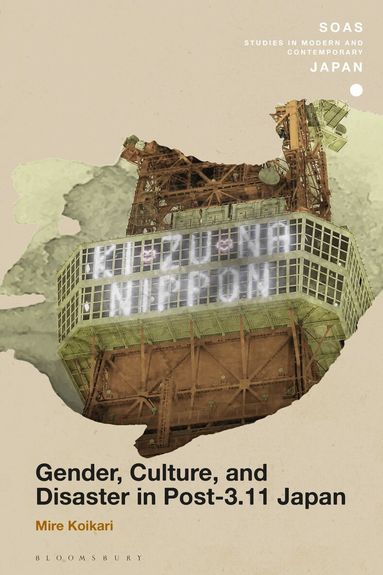



Du kanske också är intresserad av
Kenkoku University and the Experience of Pan-Asianism
Yuka Hiruma Kishida, Christopher Gerteis
Häftad, 2021
639 kr