
Frankenstein in Theory
A Critical Anatomy
Häftad, Engelska, 2022
679 kr
Beställningsvara. Skickas inom 10-15 vardagar. Fri frakt för medlemmar vid köp för minst 249 kr.
Finns i fler format (1)
This collection provides new readings of Frankenstein from a myriad of established and burgeoning theoretical vantages including narrative theory, cognitive and affect theory, the new materialism, media theory, critical race theory, queer and gender studies, deconstruction, psychoanalysis, and others. Demonstrating how the literary power of Frankenstein rests on its ability to theorize questions of mind, self, language, matter, and the socio-historic that also drive these critical approaches, this volume illustrates the ongoing intellectual richness found both in Mary Shelley’s work and contemporary ways of thinking about it.
Produktinformation
- Utgivningsdatum2022-07-28
- Mått152 x 228 x 16 mm
- Vikt407 g
- FormatHäftad
- SpråkEngelska
- Antal sidor272
- FörlagBloomsbury Publishing Plc
- ISBN9781501372209
Tillhör följande kategorier
Hoppa över listan



Mer från samma författare
The Cambridge Companion to Romanticism and World Literature
Emily Sun, Orrin N. C. Wang
Häftad, 2026
569 kr
The Cambridge Companion to Romanticism and World Literature
Emily Sun, Orrin N. C. Wang
Inbunden, 2026
1 929 kr
Hoppa över listan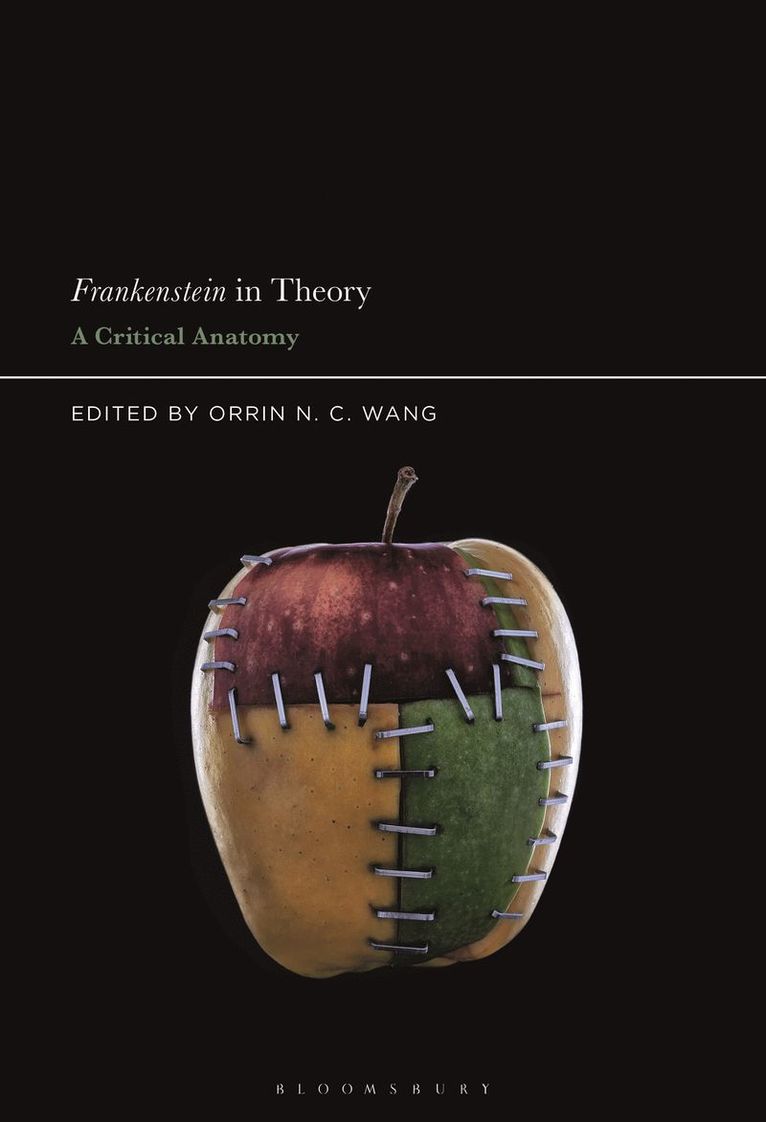


Du kanske också är intresserad av
The Cambridge Companion to Romanticism and World Literature
Emily Sun, Orrin N. C. Wang
Inbunden, 2026
1 929 kr
The Cambridge Companion to Romanticism and World Literature
Emily Sun, Orrin N. C. Wang
Häftad, 2026
569 kr
- Nyhet
Del 3
- Nyhet
Del 11
- Nyhet
Del 6
- Nyhet
Del 4