
Del i serien Iranian Studies Series
Fire of Lilies
Perspectives on Literature and Politics in Modern Iran
Häftad, Engelska, 2019
1 079 kr
Beställningsvara. Skickas inom 5-8 vardagar. Fri frakt för medlemmar vid köp för minst 249 kr.
This book examines the role of Persian literature in politics in the tumultuous period of Iranian history from 1950 to 2000, illustrating how intellectuals used poetry, plays, novels and short stories to comment on socio-political developments. The unique aspect of the book is its strong empirical perspective, as Karimi-Hakkak has participated in the events he is writing about. It analyses how Persian intellectuals dealt with censorship, suppression, imprisonment, exile and even execution for the sake of expression of free speech.
Produktinformation
- Utgivningsdatum2019-03-09
- Mått156 x 234 x 19 mm
- Vikt384 g
- FormatHäftad
- SpråkEngelska
- SerieIranian Studies Series
- Antal sidor236
- FörlagLeiden University Press
- ISBN9789087283292
Tillhör följande kategorier
Hoppa över listan
Mer från samma serie
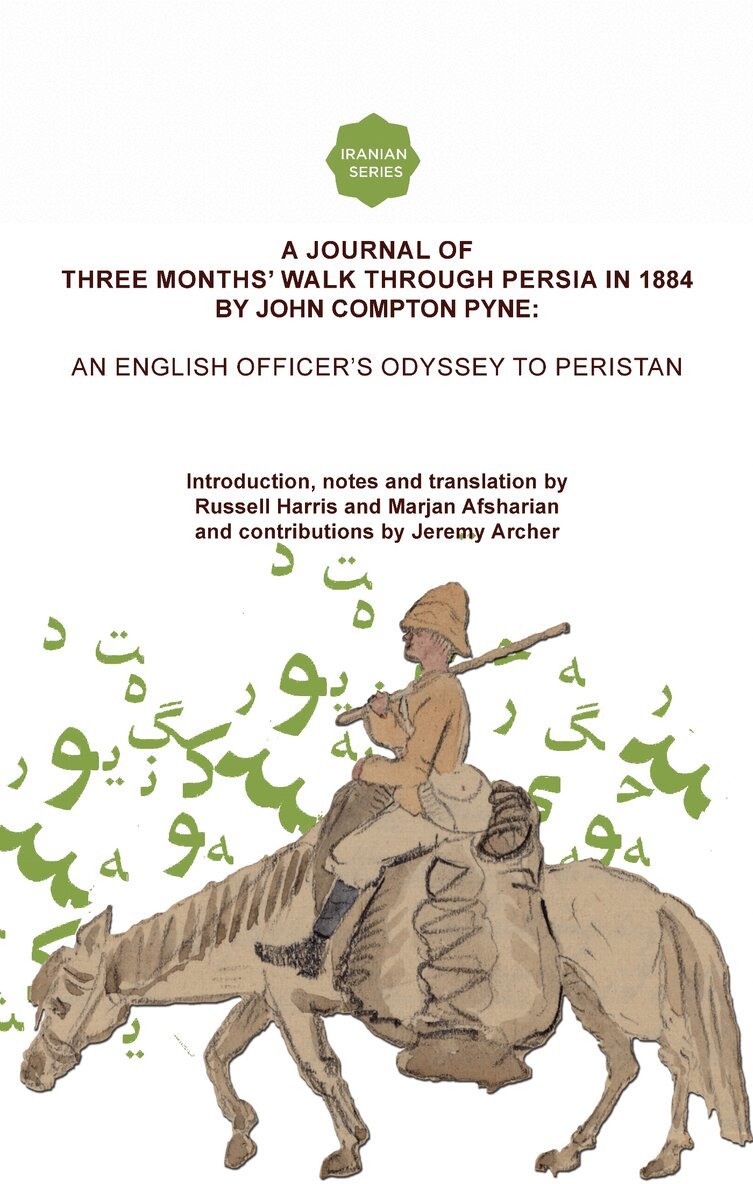
Journal of Three Months' Walk in Persia in 1884 by Captain John Compton Pyne
Marjan Afsharian, Russell Harris
Häftad, 2017
1 019 kr
Hoppa över listan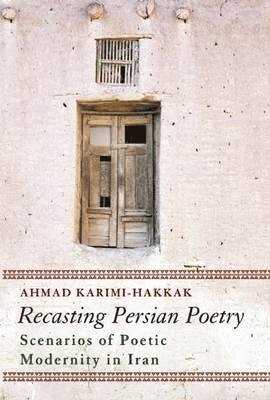
Du kanske också är intresserad av
Del 32
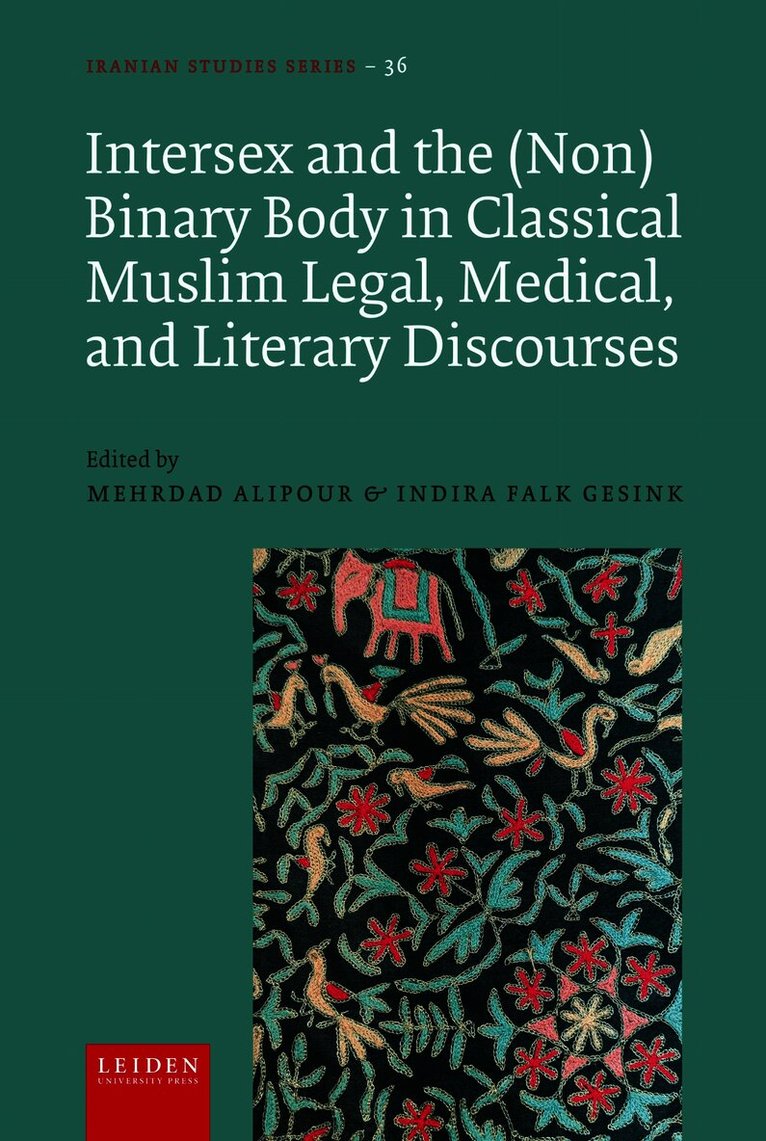
Intersex and the (Non)Binary Body in Classical Muslim Legal, Medical, and Literary Discourses
Mehrdad Alipour, Indira Falk Gesink
Inbunden, 2026
2 369 kr
- Nyhet
Del 29