
Films of George Roy Hill, rev. ed.
Häftad, Engelska, 2010
649 kr
Beställningsvara. Skickas inom 5-8 vardagar. Fri frakt för medlemmar vid köp för minst 249 kr.
As late as 1976, George Roy Hill was the first and only director to have two all-time, top-ten, box-office hits: Butch Cassidy and the Sundance Kid and The Sting (both starring Robert Redford and Paul Newman). A filmmaker with backgrounds in music, drama and television, he was a popular storyteller. His films reflect an ironic, bittersweet vision of life. The stories entertain, but the subtext is often disturbing. Hill felt that all of his major characters "create an environment, a fantasy, an illusion, and then go on to make it happen."Individual chapters study in detail the art, craft and style of each of his films, including Period of Adjustment, Toys in the Attic, The World of Henry Orient, Hawaii, The Great Waldo Pepper, Slap Shot, Thoroughly Modern Millie, Slaughterhouse Five, A Little Romance, The World According to Garp, The Little Drummer Girl and Hill's last, Funny Farm.
Produktinformation
- Utgivningsdatum2010-09-14
- Mått178 x 254 x 16 mm
- Vikt381 g
- FormatHäftad
- SpråkEngelska
- Antal sidor317
- FörlagMcFarland & Co Inc
- ISBN9780786446841
Hoppa över listan

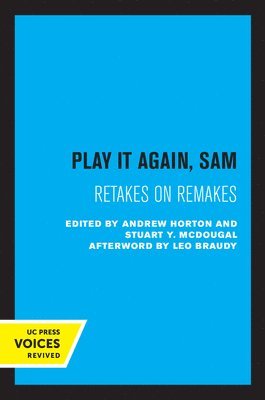
Mer från samma författare
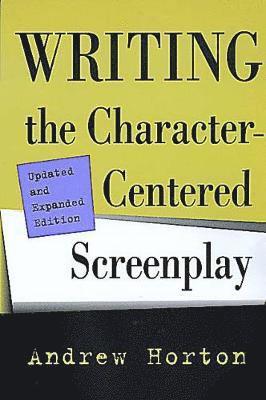
Writing the Character-Centered Screenplay, Updated and Expanded edition
Andrew Horton
Häftad, 2000
339 kr
Hoppa över listan
Du kanske också är intresserad av
Writing the Character-Centered Screenplay, Updated and Expanded edition
Andrew Horton
Häftad, 2000
339 kr