Beställningsvara. Skickas inom 3-6 vardagar. Fri frakt för medlemmar vid köp för minst 249 kr.
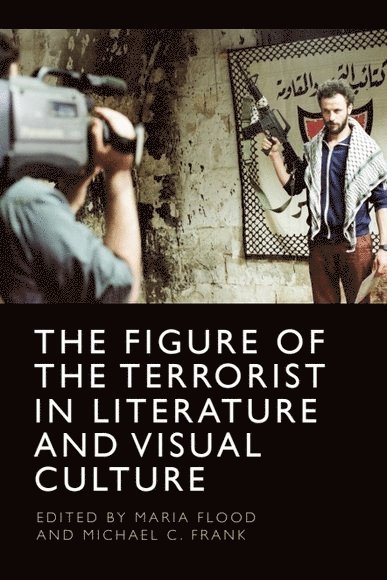
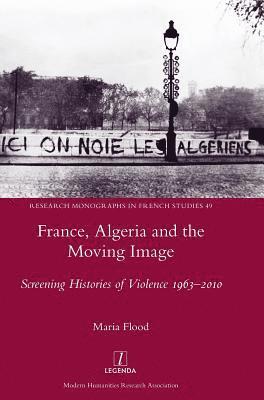
The contemporary preoccupation with terrorism is marked by a curious paradox: whereas the topic has been ubiquitous in public discourse since the late twentieth century, the voices of terrorists themselves are usually silenced. Is the terrorist the quintessential proscribed or tabooed figure of our times, as cultural anthropologists Joseba Zulaika and William A. Douglass have suggested? The present volume is the first to approach the tabooing of terrorists from an interdisciplinary and comparative perspective. Covering a broad geographical scope, it explores how different media forms (such as novels, fiction and non-fiction films, or comic books) frame and make sense of the figure of the terrorist: do they reinforce the terrorism taboo, or do they find ways of circumventing it? Each contribution asks how factors such as ideological agenda, religious identity, ethnicity, and gender impact the way the perpetrators of political violence are conceived in different historical moments and cultural contexts.
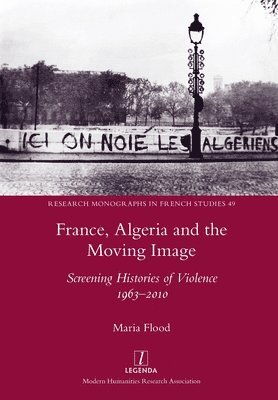
Maria Flood is Senior Lecturer in World Cinema at the University of Liverpool Michael C. Frank is Professor of Literatures in English of the Nineteenth and Twentieth Centuries at the University of Zurich
Introduction: The Figure of the Terrorist in Literature and Visual Culture - Maria Flood and Michael C. FrankHistoricising the Figure of the Terrorist: Cross-Media PerspectivesThe Psychology of Post-War Revolutionary Terrorism in Muriel Spark’s The Only Problem and Doris Lessing’s The Good Terrorist - Beatriz LopezSympathy for the Devil? The Changing Face of the IRA in American Superhero Comic - Shane WalsheTerrorists and Hooligans: Re-politicising a De-politicised Figure in Contemporary Representations of British Football Culture - Cyprian PiskurekScreening Railway Terrorists: Light Modernity, Invisible Threats, and the Aesthetics of Concealment in The 15:17 to Paris and Bodyguard - Johannes Riquet‘Nothing Terroristic About Him’: The Figure of the Terrorist in Karan Mahajan’s The Association of Small Bombs - Peter C. HermanGender, Identity, and TerrorismMilitancy, Maternity, and Masquerade in Santosh Sivan’s The Terrorist - Rajeswari MohanThe Female Counter-Strike: Terrorising Patriarchy in Hindi Cinema - Harald PittelContrasting Terrorist Figures: Far-Right Extremists and Jihadists in Contemporary French Cinema - Sarah Davison‘I Was a Big Girl. I Could Pack My Bags and Leave’: ISIS and Female Emancipation in Tabish Khair’s Just Another Jihadi Jane - Zaynab SeedatIntimate Enemies: Feeling for the Terrorist?Circumventing the Condemnation Imperative: The Figure of the Female Suicide Bomber in Akin and El Akkad - Tim GauthierDiscomfort and Documentary: The Figure of the White Extremist in Deeyah Khan’s White Right - Maria FloodIntimate Conflicts: Rebels, Heroes, and Disfigured Terrorists in Burmese Anglophone Literature - Pavan Kumar MalreddyAfterword - Richard Jackson
Required reading for anyone concerned with the political uses and abuses of the fictionalized Terrorist figure. The collection revisits the notion of the terrorism taboo within literature and cinema to tackle difficult topics like the ambiguity of fiction in constituting and dissolving terrorism.