
Del i serien Fast Facts
Fast Facts for the Nurse Preceptor, Second Edition
Keys to Providing a Successful Preceptorship
Häftad, Engelska, 2020
949 kr
Beställningsvara. Skickas inom 3-6 vardagar. Fri frakt för medlemmar vid köp för minst 249 kr.
This quick-access guide for novice nurse preceptors walks through, step-by-step, how to successfully orient new nurses to the hospital environment. Preceptors are key to staff retention, job satisfaction, improved quality of care, patient safety and transition to practice. For the busy novice nurse preceptor who believes they do not have the time or preparation to be a nurse preceptor, Fast Facts for the Nurse Preceptor, Second Edition explains all the requisites for demonstrating, guiding, and mentoring new nurses through the process of delivering safe, evidence-based, patient-centered care. The second edition builds upon the foundation of the first to address more complicated challenges preceptors face. While reviewing the basics like shift organization, prioritization, communication, delegation, and conflict resolution, this orientation guide delineates the essential qualities of a competent preceptor and their primary responsibilities. It discusses the knowledge and skills a successful preceptor must impart to new nurses while acclimating to a variety of teaching and learning styles. Chapters discuss how to recognize the warning signs of a struggling preceptee, work through a preceptee’s “transition shock,” and help new nurses to develop critical thinking skills. Abundant case studies highlight common and challenging precepting situations.New to the Second Edition:Updated with FIVE completely new chapters:Selection, Education, and Retention of the PreceptorPreceptee Learning and Preceptor Teaching StylesThe Challenging StudentPrecepting the Accelerated BSN and Advanced Practice Nurse (APRN)The Unsafe Preceptee and How to Avoid “Failure to Fail”Key Features:Helps preceptors to serve as excellent role models, mentors, and teachers for new nursesOffers quick-access, step-by-stop guidance with short paragraphs and bulleted informationUses case studies to highlight both common and challenging precepting scenariosIncludes evidence-based content throughoutContains competency assessment and evaluation forms
Produktinformation
- Utgivningsdatum2020-09-16
- Mått127 x 203 x 17 mm
- Vikt262 g
- FormatHäftad
- SpråkEngelska
- SerieFast Facts
- Antal sidor206
- Upplaga2
- FörlagSpringer Publishing Co Inc
- ISBN9780826136015
Hoppa över listan
Mer från samma författare
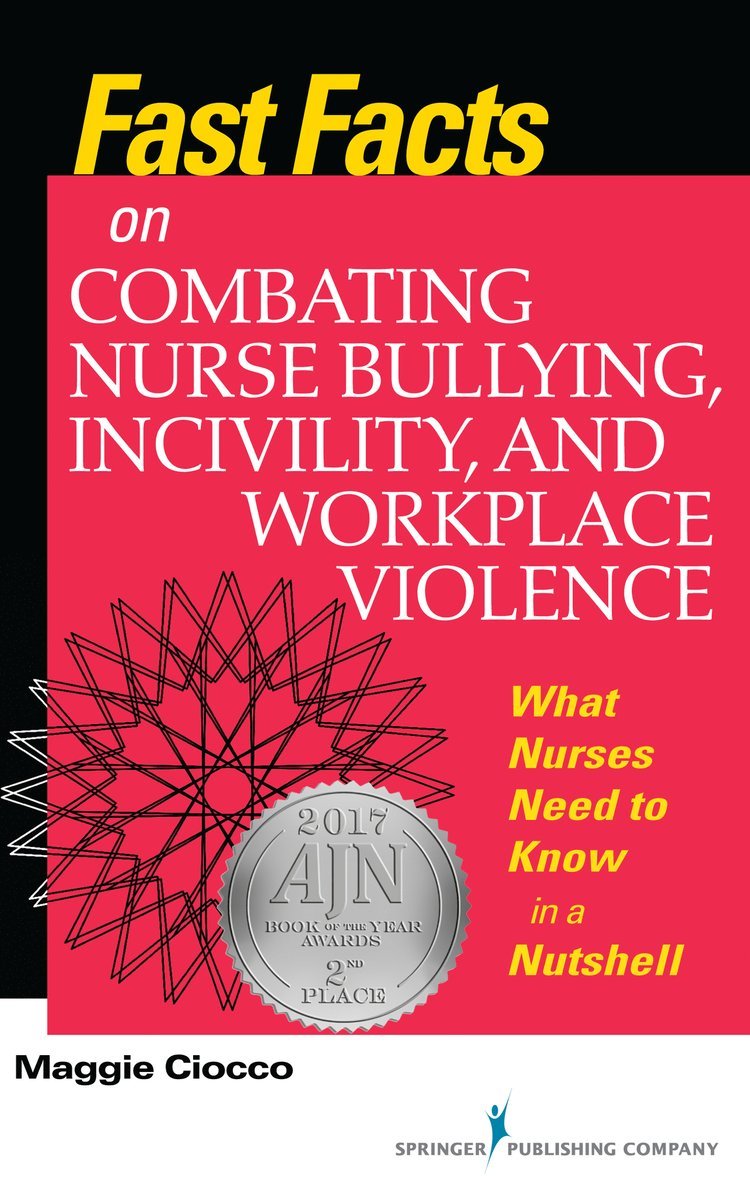
Fast Facts on Combating Nurse Bullying, Incivility and Workplace Violence
Maggie Ciocco
Häftad, 2017
619 kr
Essentials on Combatting Nurse Bullying, Incivility and Workplace Violence
Maggie Ciocco
Häftad, 2017
799 kr
Hoppa över listan






Du kanske också är intresserad av
Fast Facts on Combating Nurse Bullying, Incivility and Workplace Violence
Maggie Ciocco
Häftad, 2017
619 kr
Essentials on Combatting Nurse Bullying, Incivility and Workplace Violence
Maggie Ciocco
Häftad, 2017
799 kr
- Nyhet
Del 3
- Nyhet
Del 11
- Nyhet
Del 6
Del 1
- Nyhet
Del 4
Del 3
Del 2