
Explorations of Mourning in Psychoanalysis and Literature
Turning Ghosts into Ancestors
Inbunden, Engelska, 2026
3 699 kr
Beställningsvara. Skickas inom 10-15 vardagar. Fri frakt för medlemmar vid köp för minst 249 kr.
Finns i fler format (1)
This book explores the conflict between holding on to and letting go of loss,paying homage to Freud’s classic ‘Mourning and Melancholia’ and buildingon its foundation with contemporary ideas.Losses are met throughout life and are either accepted and mournedor resented and denied. Sometimes mourning is inappropriate or prematurebecause losses can be prevented, and unfinished business needs to becompleted. Eventually, however, accepting and mourning the loss confersenormous benefits, many of which arise from the development of symbolicthinking that enables ghosts to be turned into ancestors. These themes areexplored in clinical material and in extracts from literature. They enable someof the ideas of Freud, Klein, and Bion to be expanded and updated. The bookends with an edited transcript of interviews discussing the author’s personalhistory in relation to his work.With insights from across the author’s distinguished psychoanalytic careerand a deep understanding of literature, this is key reading for all psychoanalysts,and anyone who wants to understand loss.
Produktinformation
- Utgivningsdatum2026-07-29
- Mått156 x 234 x 14 mm
- Vikt560 g
- FormatInbunden
- SpråkEngelska
- Antal sidor200
- FörlagTaylor & Francis Ltd
- ISBN9781041212195
Tillhör följande kategorier
Hoppa över listan
Mer från samma författare
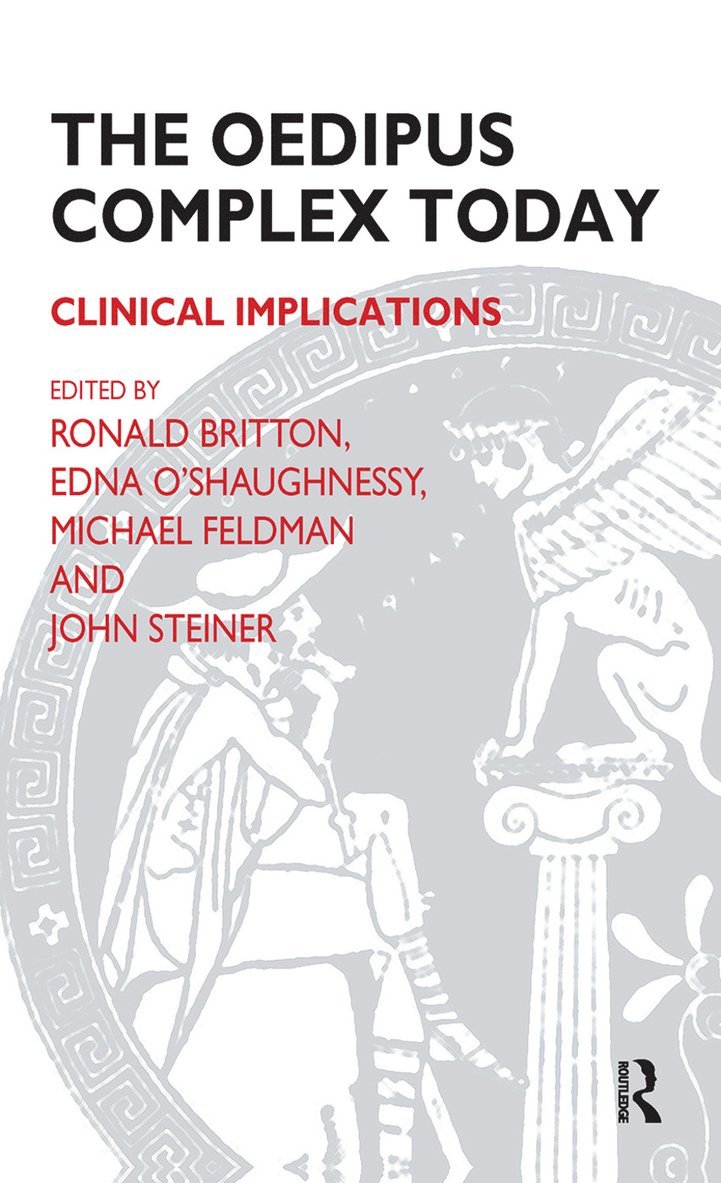
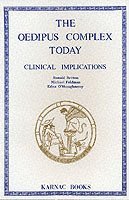
Oedipus Complex Today
Ronald Britton, Michael Feldman, Edna O'Shaughnessy, John Steiner
Inbunden, 2019
3 119 kr
Oedipus Complex Today
Ronald Britton, Michael Feldman, Edna O'Shaughnessy, John Steiner
Häftad, 1989
769 kr