
Del i serien SUNY series in Environmental Philosophy and Ethics
Emplotting Virtue
A Narrative Approach to Environmental Virtue Ethics
Häftad, Engelska, 2014
539 kr
Tillfälligt slut
A rich hermeneutic account of the way virtue is understood and developed.Despite its ancient roots, virtue ethics has only recently been fully appreciated as a resource for environmental philosophy. Other approaches dominated by utilitarian and duty-based appeals for sacrifice and restraint have had little success in changing behavior, even to the extent that ecological concerns have been embraced. Our actions often do not align with our beliefs. Fundamental to virtue ethics is an acknowledgment that neither good ethical rules nor good intentions are effective absent the character required to bring them to fulfillment. Brian Treanor builds on recent work on virtue ethics in environmental philosophy, finding an important grounding in the narrative theory of philosophers like Paul Ricoeur and Richard Kearney. Character and ethical formation, Treanor argues, are intimately tied to our relationship with the narratives through which we view the human place in the natural world. By reframing environmental questions in terms of individual, social, and environmental narratives about flourishing, Emplotting Virtue offers a powerful vision of how we might remake our character so as to live more happily, more sustainably, and more virtuously in a diverse, beautiful, wondrous, and fragile world.
Produktinformation
- Utgivningsdatum2014-06-01
- Mått152 x 229 x 20 mm
- Vikt386 g
- FormatHäftad
- SpråkEngelska
- SerieSUNY series in Environmental Philosophy and Ethics
- Antal sidor258
- FörlagState University of New York Press
- ISBN9781438451183
Tillhör följande kategorier
Hoppa över listan

Mer från samma författare
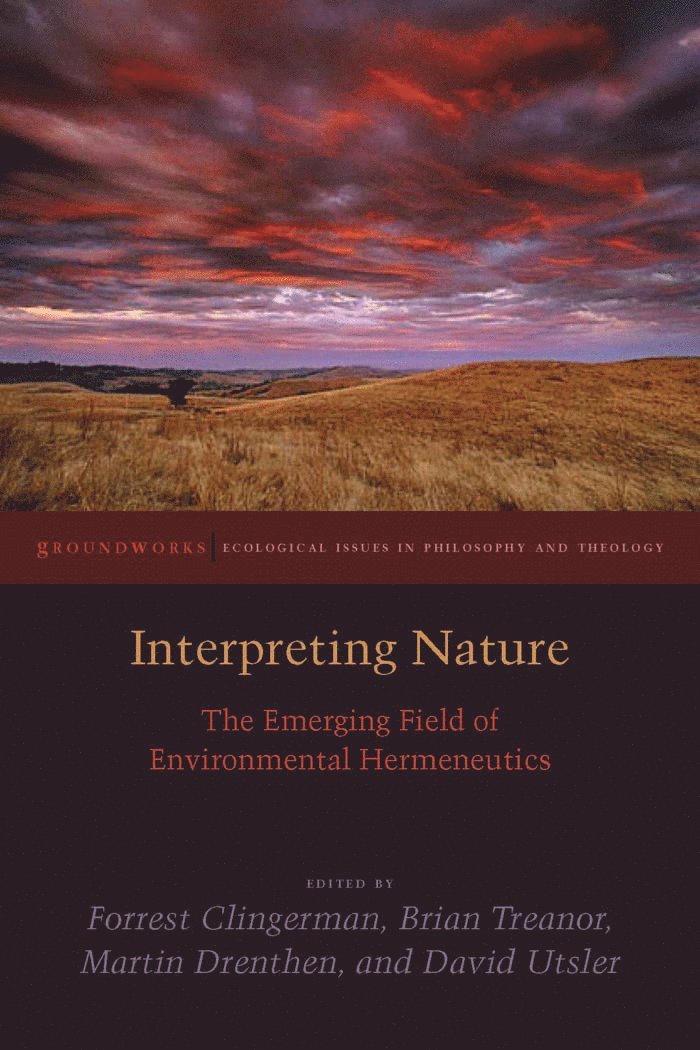
Interpreting Nature
Brian Treanor, Martin Drenthen, David Utsler, Forrest Clingerman
Inbunden, 2013
1 919 kr
Interpreting Nature
Brian Treanor, Martin Drenthen, David Utsler, Forrest Clingerman
Häftad, 2013
679 kr
Hoppa över listan
Du kanske också är intresserad av
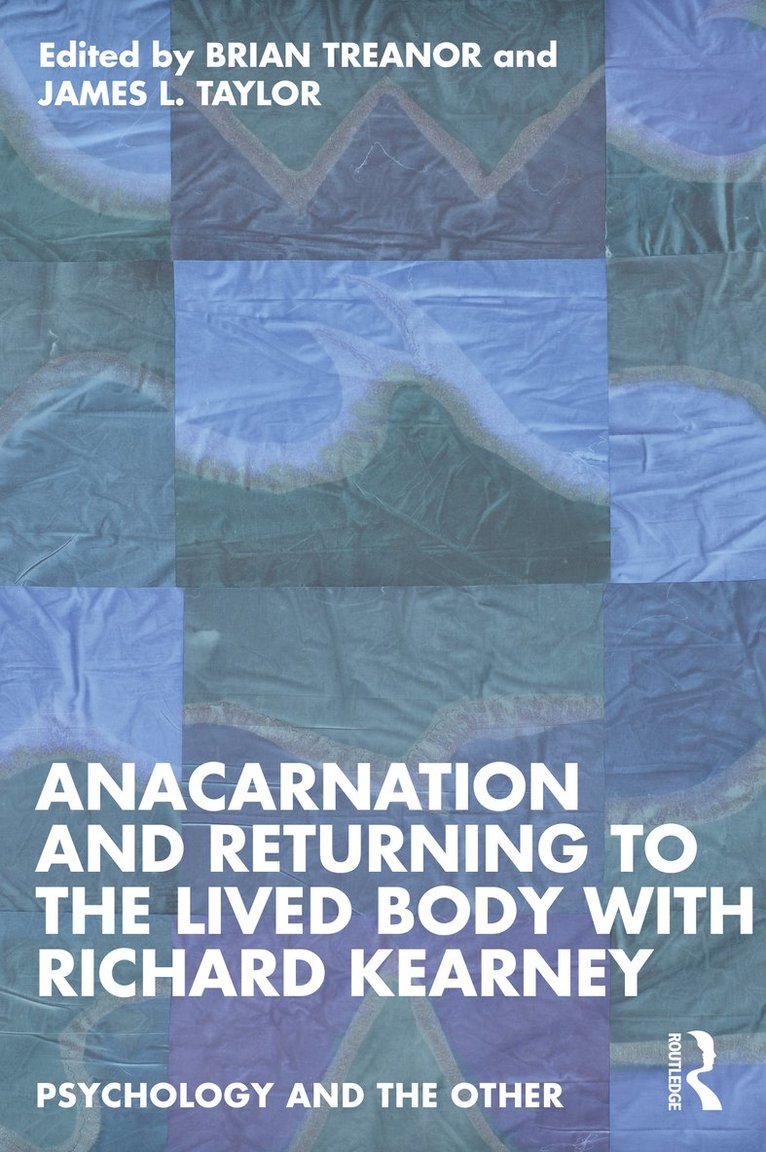
Anacarnation and Returning to the Lived Body with Richard Kearney
Brian Treanor, James L. Taylor
Häftad, 2022
679 kr
Anacarnation and Returning to the Lived Body with Richard Kearney
Brian Treanor, James L. Taylor
Inbunden, 2022
2 729 kr
Interpreting Nature
Brian Treanor, Martin Drenthen, David Utsler, Forrest Clingerman
Häftad, 2013
679 kr