
Del i serien Scottish Religious Cultures: Historical Perspectives
Emotions in Scottish Protestant Public Worship, 1560-1638
Inbunden, Engelska, 2025
1 489 kr
Skickas . Fri frakt för medlemmar vid köp för minst 249 kr.
This book explores the affective dimension of Scottish Protestant public worship in early modern Scotland. It examines how the intensely emotional character of Scottish Puritan or godly piety was reflective of the emotional norms many Scots had to navigate in congregational worship following the Protestant Reformation. Using historiographical approaches developed within the history of emotions discipline, the book argues that in corporate rituals such as prayer, preaching, public repentance, fasting and the Lord's Supper, Scottish Protestants were expected to experience and express a variety of feelings that were associated with the cycle of conversion. These prescribed emotions were seen as integral to the efficacy of the liturgy, playing a vital role in the individual's, community's and nation's encounter with God. The book argues that these standards of emotion were informed by medieval, secular and protestant sources and new perspectives emerge on their profound impact upon the major political events that shaped seventeenth century Scotland.
Produktinformation
- Utgivningsdatum2025-10-31
- Mått156 x 234 x 24 mm
- Vikt570 g
- FormatInbunden
- SpråkEngelska
- SerieScottish Religious Cultures: Historical Perspectives
- Antal sidor296
- FörlagEdinburgh University Press
- ISBN9781399507394
Tillhör följande kategorier
Hoppa över listan




Mer från samma serie
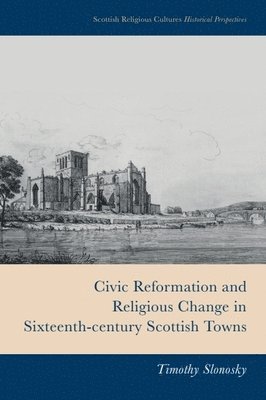
Civic Reformation and Religious Change in Sixteenth-Century Scottish Towns
Timothy Slonosky
Inbunden, 2024
1 409 kr
Civic Reformation and Religious Change in Sixteenth-Century Scottish Towns
Timothy Slonosky
Häftad, 2026
399 kr
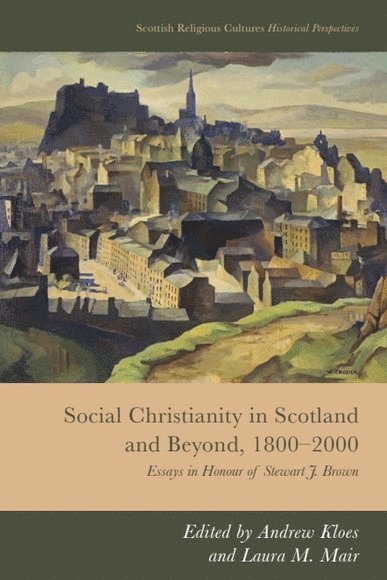
Social Christianity in Scotland and Beyond, 1800-2000
Andrew Kloes, Laura M Mair
Inbunden, 2024
2 469 kr
Hoppa över listan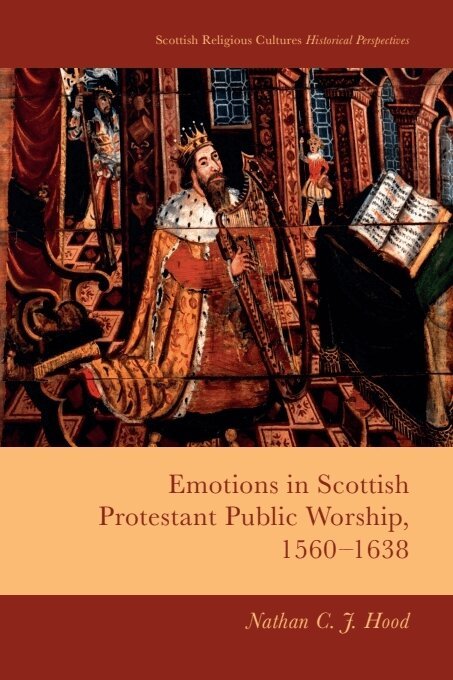


Du kanske också är intresserad av
- Nyhet
Del 3
Civic Reformation and Religious Change in Sixteenth-Century Scottish Towns
Timothy Slonosky
Inbunden, 2024
1 409 kr
Social Christianity in Scotland and Beyond, 1800-2000
Andrew Kloes, Laura M Mair
Inbunden, 2024
2 469 kr