
Del 12
Del 9 i serien Worlds of the East India Company
Emergence of British Power in India, 1600-1784
A Grand Strategic Interpretation
Inbunden, Engelska, 2013
1 939 kr
Beställningsvara. Skickas inom 5-8 vardagar. Fri frakt för medlemmar vid köp för minst 249 kr.
Outlines the East India's Company's infiltration of India from its inception to the late eighteenth century.Empires have usually been founded by charismatic, egoistic warriors or power-hungry states and peoples, sometimes spurred on by a sense of religious mission. So how was it that the nineteenth-century British Indian Raj was so different? Arising, initially, from the militant policies and actions of a bunch of London merchants chartered as the English East India Company by Queen Elizabeth in 1600, for one hundred and fifty years they had generally pursued apeaceful and thereby profitable trade in the India, recognized by local Indian princes as mutually beneficial. Yet from the 1740s, Company men began to leave the counting house for the parade ground, fighting against the French and the Indian princes over the next forty years until they stood upon the threshold of succeeding the declining Mughul Empire as the next hegamon of India.This book roots its explanation of this phenomenon in the evidence ofthe words and thoughts of the major, and not-so major, players, as revealed in the rich archives of the early Raj. Public dispatches from the Company's servants in India to their masters in London contain elaborate justificationsand records of debates in its councils for the policies (grand strategies) adopted to deal with the challenges created by the unstable political developments of the time. Thousands of surviving private letters between Britons in India and the homeland reveal powerful underlying currents of ambition, cupidity and jealousy and how they impacted on political manoeuvring and the development of policy at both ends. This book shows why the Company became involved in the military and political penetration of India and provides a political and military narrative of the Company's involvement in the wars with France and with several Indian powers.G. J. Bryant, who has a Ph.D. fromKing's College London, has written extensively on the British military experience in eighteenth-century India.
Produktinformation
- Utgivningsdatum2013-10-19
- Mått156 x 234 x 29 mm
- Vikt633 g
- FormatInbunden
- SpråkEngelska
- SerieWorlds of the East India Company
- Antal sidor372
- FörlagBoydell & Brewer Ltd
- ISBN9781843838548
Tillhör följande kategorier
Hoppa över listan

Mer från samma serie
Del 11
Del 13
Del 15
Del 14
Del 16
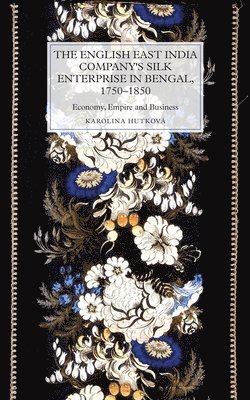
English East India Company's Silk Enterprise in Bengal, 1750-1850
Karolina Hutková
Inbunden, 2019
1 599 kr
Del 17
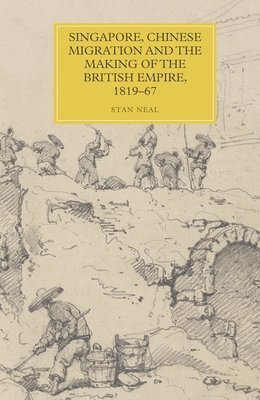
Singapore, Chinese Migration and the Making of the British Empire, 1819-67
Stan Neal
Inbunden, 2019
1 439 kr
Del 18
Del 19
Del 20
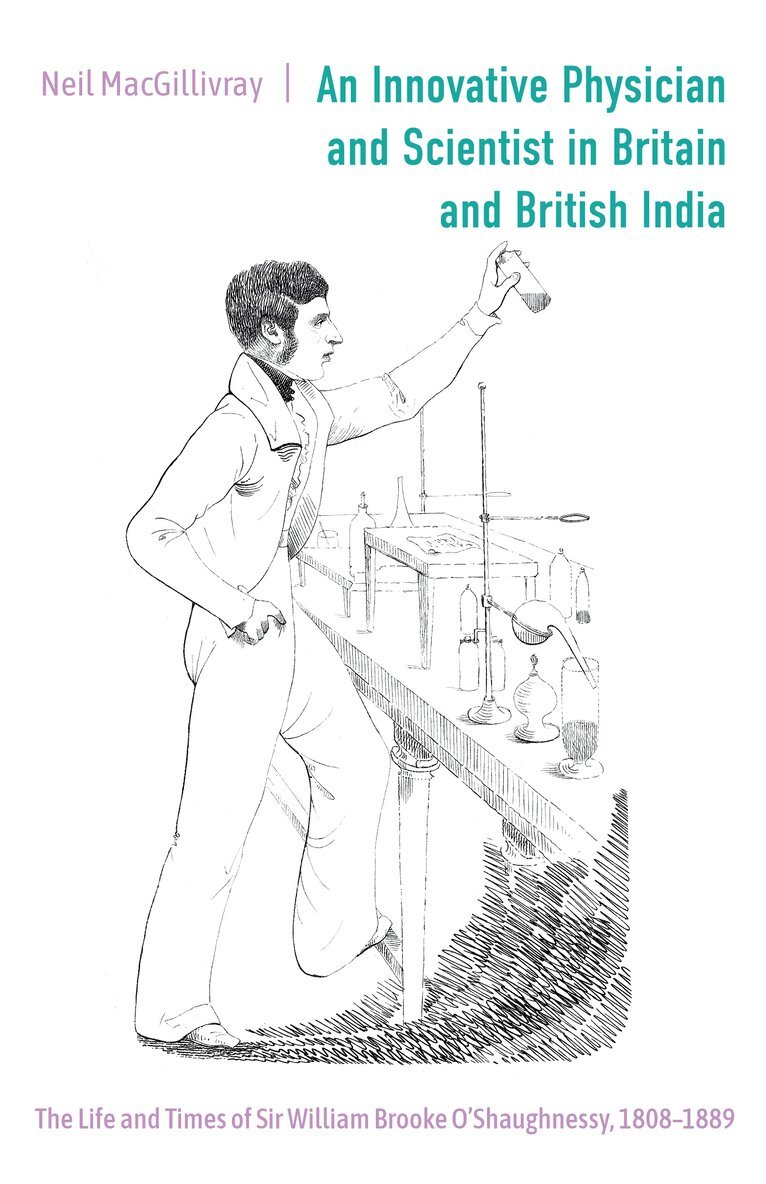
Innovative Physician and Scientist in Britain and British India
Neil MacGillivray
Inbunden, 2025
1 439 kr
Hoppa över listan
Du kanske också är intresserad av
Del 4
Del 19
Del 6
Del 16
English East India Company's Silk Enterprise in Bengal, 1750-1850
Karolina Hutková
Inbunden, 2019
1 599 kr
Del 11
Del 7
Del 10
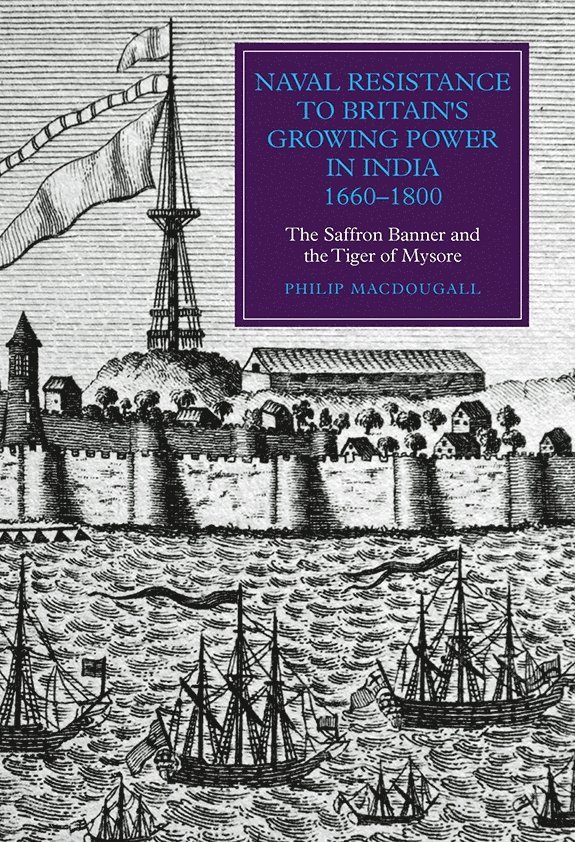
Naval Resistance to Britain's Growing Power in India, 1660-1800
Philip MacDougall
Inbunden, 2014
1 439 kr
Del 14
Del 5