
Del 12
Del 16 i serien Worlds of the East India Company
English East India Company's Silk Enterprise in Bengal, 1750-1850
Economy, Empire and Business
Inbunden, Engelska, 2019
1 639 kr
Beställningsvara. Skickas inom 5-8 vardagar. Fri frakt för medlemmar vid köp för minst 249 kr.
This book examines the silk-processing activities of the English East India Company in Bengal.This book examines the silk-processing activities of the English East India Company in Bengal and presents the Company as a manufacturer rather than a trading body or political agent. Silk was one of the first globally traded commodities; its luxury status and potential to create tax revenues and employ the poor gave it a strategic importance in many economies in Eurasia. The silk industry was also an important sector in Britain; yet, as raw silk could notbe produced domestically, the British government encouraged companies to source supplies from its colonies and the territories under its influence. Such projects proved to be challenging; the most successful was the English EastIndia Company's venture in Bengal, where the Company invested over 1 million into developing raw silk production to meet the demands of British weavers. A key component was the transfer of silk technologies from the West to the East - one of the first in this direction rather than vice versa. The outcome of this enterprise was influenced by the business and management capacities of the Company and by British and, eventually, imperial policies, with serious consequences for the Indian economy. The book ultimately presents a case of manufacturing failure, but one resulting from British imperial policies rather than colonial economies.KAROLINA HUTKOVÁ is an LSE Fellow in Economic History at the London School of Economics and Political Science.
Produktinformation
- Utgivningsdatum2019-06-21
- Mått156 x 234 x 21 mm
- Vikt646 g
- FormatInbunden
- SpråkEngelska
- SerieWorlds of the East India Company
- Antal sidor276
- FörlagBoydell & Brewer Ltd
- ISBN9781783273942
Tillhör följande kategorier
Hoppa över listan

Mer från samma serie
Del 11
Del 13
Del 15
Del 14
Del 17
Singapore, Chinese Migration and the Making of the British Empire, 1819-67
Stan Neal
Inbunden, 2019
1 469 kr
Del 18
Del 19
Del 20
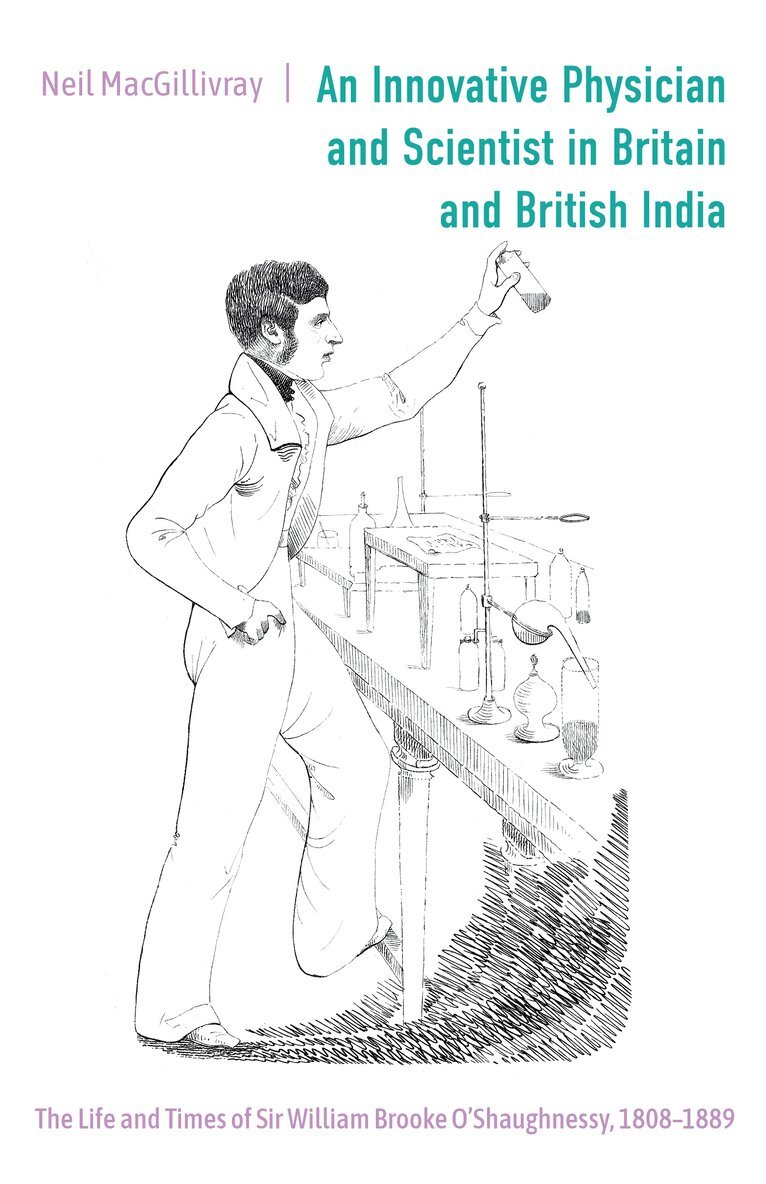
Innovative Physician and Scientist in Britain and British India
Neil MacGillivray
Inbunden, 2025
1 469 kr
Maritime Misadventures in Early Modern Southeast Asia
W. G. Miller, Ann G. Smith
Inbunden, 2025
1 469 kr
Hoppa över listan
Du kanske också är intresserad av
Del 4
Del 19
Del 6
Del 17
Singapore, Chinese Migration and the Making of the British Empire, 1819-67
Stan Neal
Inbunden, 2019
1 469 kr
Del 11
Del 7
Del 10
Naval Resistance to Britain's Growing Power in India, 1660-1800
Philip MacDougall
Inbunden, 2014
1 469 kr
Del 14
Del 5