
- Nyhet
Del i serien Languages and Culture in History
Early Modern Production of Missionary Books on Indigenous Languages in New Spain and Peru
Häftad, Engelska, 2026
899 kr
Beställningsvara. Skickas inom 10-15 vardagar. Fri frakt för medlemmar vid köp för minst 249 kr.
Finns i fler format (1)
How do the social, material, and spatial processes underlying the making of early modern missionary grammars, vocabularies, and devotional translations deepen our understanding of their contents? The handwritten and printed missionary books produced in the Spanish viceroyalties of New Spain and Peru were key instruments designed to help study Indigenous languages in order to efficiently teach religious doctrine to local communities unfamiliar with European culture and religion. This volume considers these missionary books as physical and social objects and illuminates how a variety of factors determines their physical appearance, structure, and form, which in turn shape and guide the interpretation of their contents: people involved in its making; geographical and social circumstances and conditions of production; technologies, materials, and tools; genre and function(s) of the books; and intended readership, modes of distribution, and readerly responses.
Produktinformation
- Utgivningsdatum2026-06-10
- Mått156 x 234 x undefined mm
- Vikt740 g
- FormatHäftad
- SpråkEngelska
- SerieLanguages and Culture in History
- Antal sidor398
- FörlagTaylor & Francis Ltd
- ISBN9781041187738
Tillhör följande kategorier
Hoppa över listan





Mer från samma serie
French as Language of Intimacy in the Modern Age
Madeleine van Strien-Chardonneau, Marie-Christine Kok Escalle
Häftad, 2025
929 kr
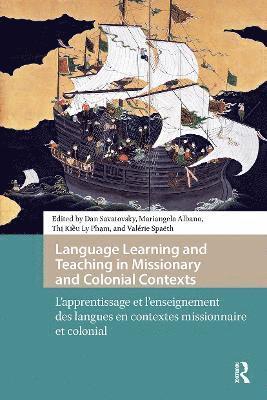
Language Learning and Teaching in Missionary and Colonial Contexts
Dan Savatovsky, Mariangela Albano, Thi Kieu Ly Pham, Valérie Spaëth
Häftad, 2025
929 kr
Language, Literature and the Construction of a Dutch National Identity (1780-1830)
Rick Honings, Ton van Kalmthout, Gijsbert Rutten
Häftad, 2025
929 kr
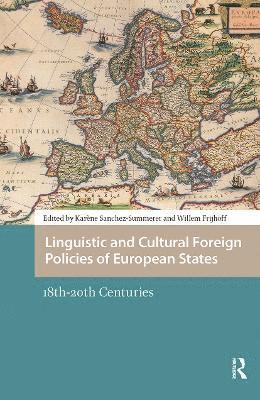
Linguistic and Cultural Foreign Policies of European States
Karène Sanchez Summerer, Willem Frijhoff
Häftad, 2025
929 kr
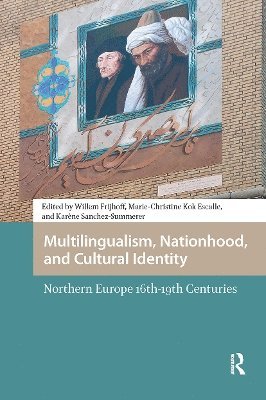
Multilingualism, Nationhood, and Cultural Identity
Willem Frijhoff, Marie-Christine Kok Escalle, Karène Sanchez Summerer
Häftad, 2025
929 kr
Hoppa över listan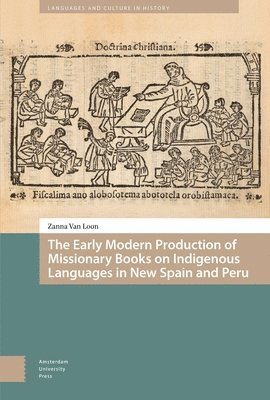




Du kanske också är intresserad av
Del 14
Early Modern Production of Missionary Books on Indigenous Languages in New Spain and Peru
Zanna Van Loon
Inbunden, 2025
3 299 kr
Del 6
- Nyhet
Del 3
French as Language of Intimacy in the Modern Age
Madeleine van Strien-Chardonneau, Marie-Christine Kok Escalle
Inbunden, 2016
2 719 kr
Multilingualism, Nationhood, and Cultural Identity
Willem Frijhoff, Marie-Christine Kok Escalle, Karène Sanchez Summerer
Häftad, 2025
929 kr
- Nyhet
Del 4
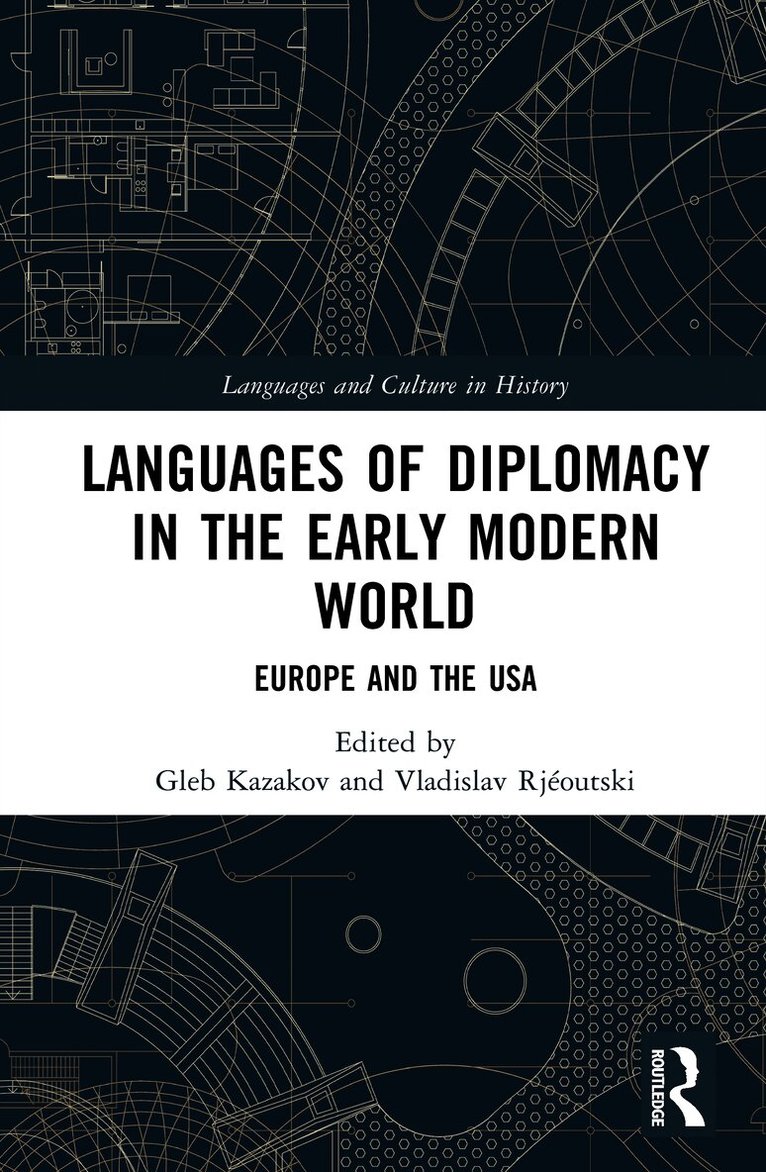
Languages of Diplomacy in the Early Modern World
Gleb Kazakov, Vladislav Rjéoutski
Inbunden, 2026
3 309 kr