
Del i serien Challenges Facing Chinese Political Development
Dragon's Hidden Wings
How China Rises with its Soft Power
Inbunden, Engelska, 2008
1 729 kr
Beställningsvara. Skickas inom 10-15 vardagar. Fri frakt för medlemmar vid köp för minst 249 kr.
Finns i fler format (1)
The Dragon's Hidden Wings is the first comprehensive study on China's use of soft power. Sheng Ding provides the reader with an insightful empirical study that details China's economic and political rise on the global scene over the course of the last three decades. This book not only endeavors to examine the connections between the ongoing rise of China and what Joseph Nye defines as soft power, but also attempts to give readers a more complete understanding of China's national power and modernization process. The main questions addressed are: What are the theoretical and empirical connections between the soft power concept and the rise of China? What are China's own soft power resources? How has Beijing used soft power to become a major player in the world? What opportunities and challenges does the use of soft power present to China? This study is essential reading for scholars of Chinese politics and foreign policy, and for scholars of international relation interested in the concept and application of soft power.
Produktinformation
- Utgivningsdatum2008-07-17
- Mått161 x 240 x 20 mm
- Vikt445 g
- FormatInbunden
- SpråkEngelska
- SerieChallenges Facing Chinese Political Development
- Antal sidor210
- FörlagBloomsbury Publishing Plc
- ISBN9780739123928
Tillhör följande kategorier
Hoppa över listan
Mer från samma författare
Chemical and Functional Genomic Approaches to Stem Cell Biology and Regenerative Medicine
Sheng Ding
Inbunden, 2008
1 429 kr
Hoppa över listan





Mer från samma serie
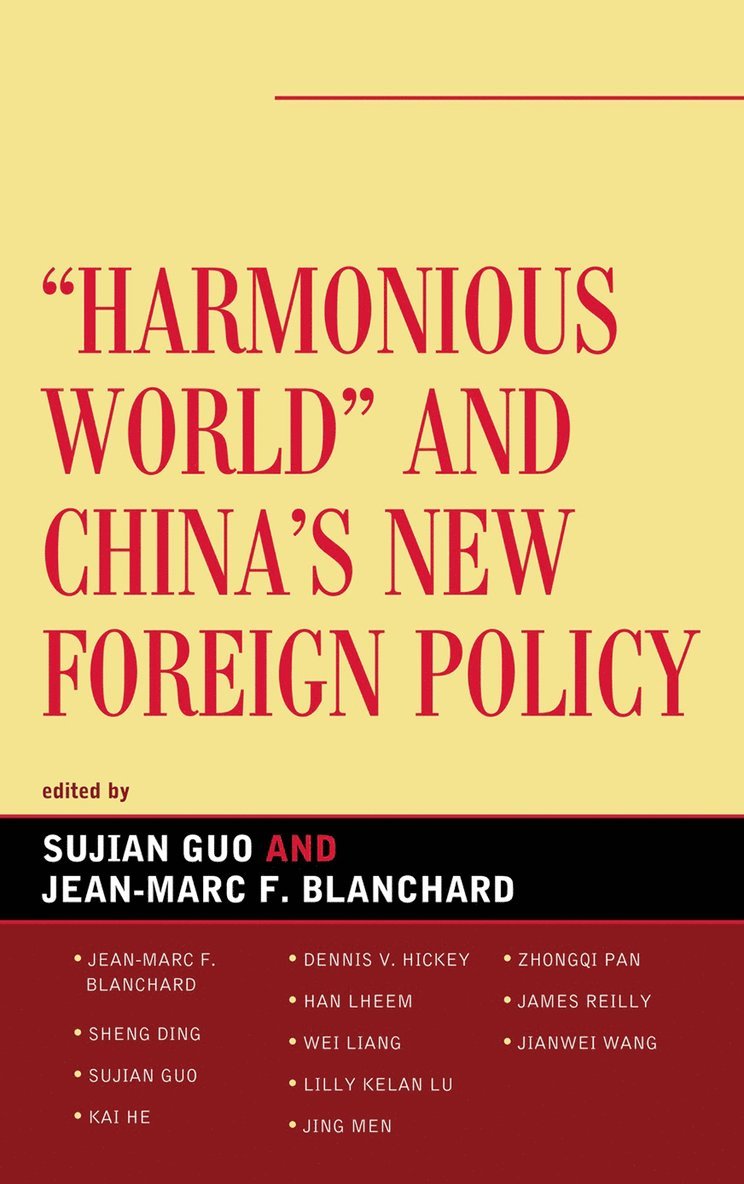
Harmonious World and China's New Foreign Policy
Sujian Guo, Jean-Marc F. Blanchard
Inbunden, 2008
1 819 kr
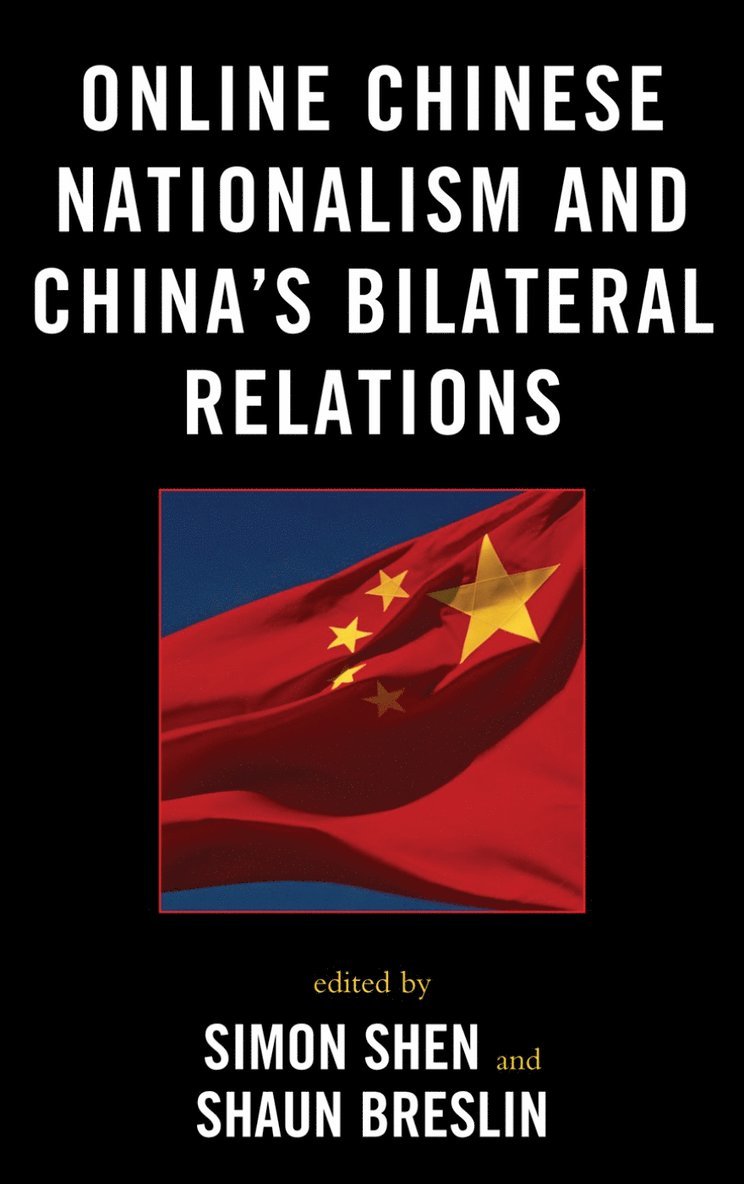
Online Chinese Nationalism and China's Bilateral Relations
Simon Shen, Shaun Breslin
Inbunden, 2010
1 999 kr
Hoppa över listan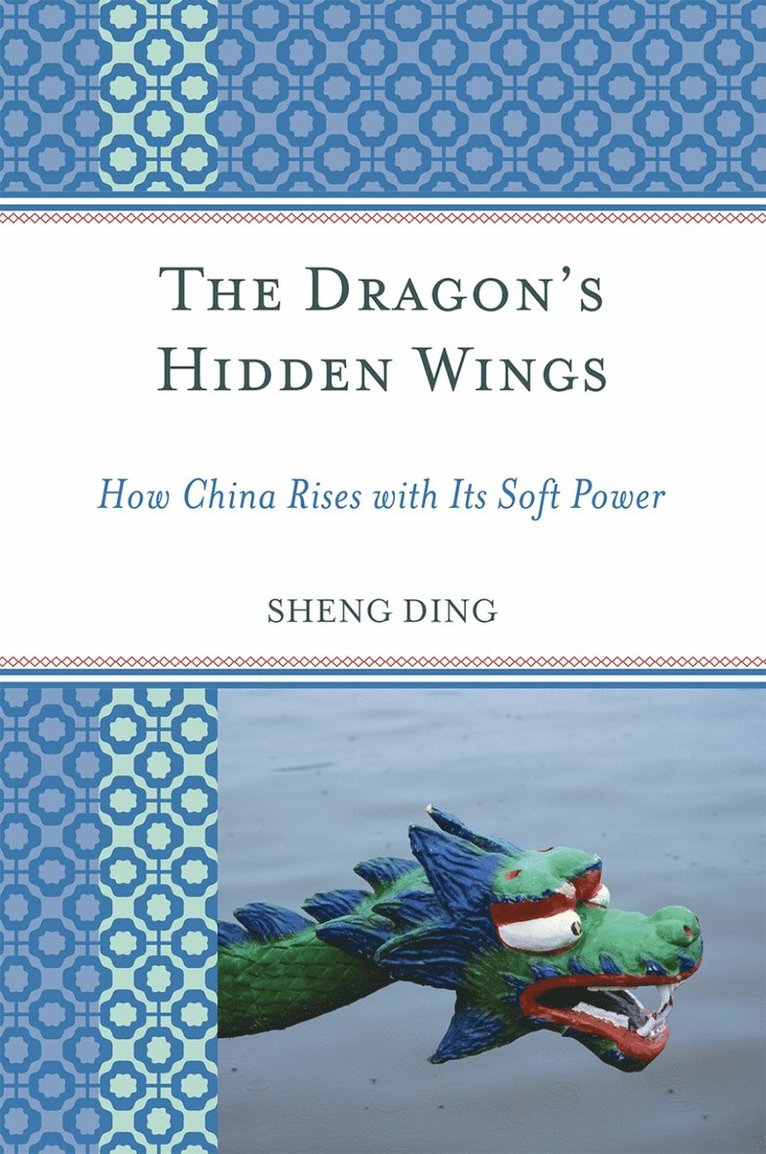



Du kanske också är intresserad av
Chemical and Functional Genomic Approaches to Stem Cell Biology and Regenerative Medicine
Sheng Ding
Inbunden, 2008
1 429 kr