
Del i serien Literary Methods in the Social Sciences
Doing Research with Documents of Life
Accountable Storytelling and the Diamond Method
Inbunden, Engelska, 2026
3 209 kr
Beställningsvara. Skickas inom 10-15 vardagar. Fri frakt för medlemmar vid köp för minst 249 kr.
Finns i fler format (1)
This book presents Documents of Life (DoLs) as a research framework, offering both scholarly insight and practical guidance for conducting this kind of work. DoLs are everyday materials that illuminate the organisation of ordinary lives and their social worlds.Addressing key methodological questions in autoethnography, it brings together critical socio-cultural autoethnography (CSA) and DoLs through the innovative use of facet methodology (FM). This approach enables analytical engagement with texts across the social sciences while remaining attentive to narrative form, integrating literary studies within sociological inquiry through the DoL approach to an accountable/dialogical storytelling. Grounded in relational ethics and a critical humanist orientation, the book remains in dialogue with people and their accounts, recognising connections between the sociological and the literary, as well as the historical and the cultural. These strands are brought together through a sustained empirical focus on those who go to war (including the author, a former soldier) and those engaged in different, but equally consequential, struggles.The book will be of strong interest to PhD and postgraduate students seeking guidance on conducting autoethnographic research, in addition to scholars in sociology, anthropology, philosophy, politics, gender and masculinity studies, memory studies, organisational studies, and the social sciences more broadly.
Produktinformation
- Utgivningsdatum2026-06-12
- Mått156 x 234 x 14 mm
- Vikt610 g
- FormatInbunden
- SpråkEngelska
- SerieLiterary Methods in the Social Sciences
- Antal sidor232
- FörlagTaylor & Francis Ltd
- ISBN9781041094517
Tillhör följande kategorier
Hoppa över listan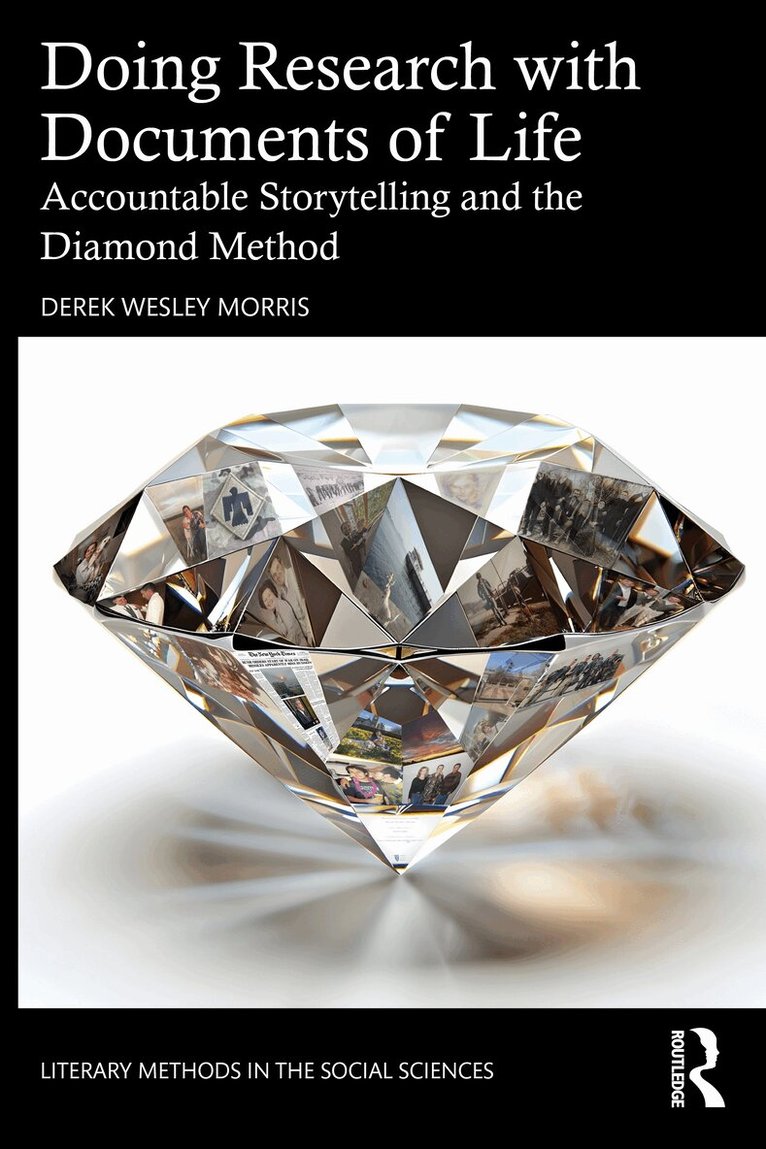





Du kanske också är intresserad av
- Nyhet
Del 3
- Nyhet
Del 11
Del 2
- Nyhet
Del 5
- Nyhet
- Nyhet
Del 6
Del 1