
Del 306 i serien Historical Materialism Book Series
Dissident Marxism and Utopian Eco-Socialism in the German Democratic Republic
The Intellectual Legacies of Rudolf Bahro, Wolfgang Harich, and Robert Havemann
Inbunden, Engelska, 2024
3 979 kr
Beställningsvara. Skickas inom 5-8 vardagar. Fri frakt för medlemmar vid köp för minst 249 kr.
Finns i fler format (1)
Rudolf Bahro, Wolfgang Harich and Robert Havemann were probably the best-known critics of the DDR’s ruling Socialist Unity Party. Yet they saw themselves as Marxists, and their demands extended far beyond a democratisation of real socialism. When environmental issues became more important in the West in the 1970s, the Party treated it as an ideological manoeuvre of the class enemy. The three dissidents saw things differently: they combined socialism and ecology, adopting a utopian perspective frowned upon by the state. In doing so, they created political concepts that were unique for the Eastern Bloc. Alexander Amberger introduces them, relates them to each other, and poses the question of their relevance then and now.
Produktinformation
- Utgivningsdatum2024-02-06
- Mått155 x 235 x 33 mm
- Vikt854 g
- FormatInbunden
- SpråkEngelska
- SerieHistorical Materialism Book Series
- Antal sidor428
- FörlagBrill
- ISBN9789004687806
Tillhör följande kategorier
Hoppa över listan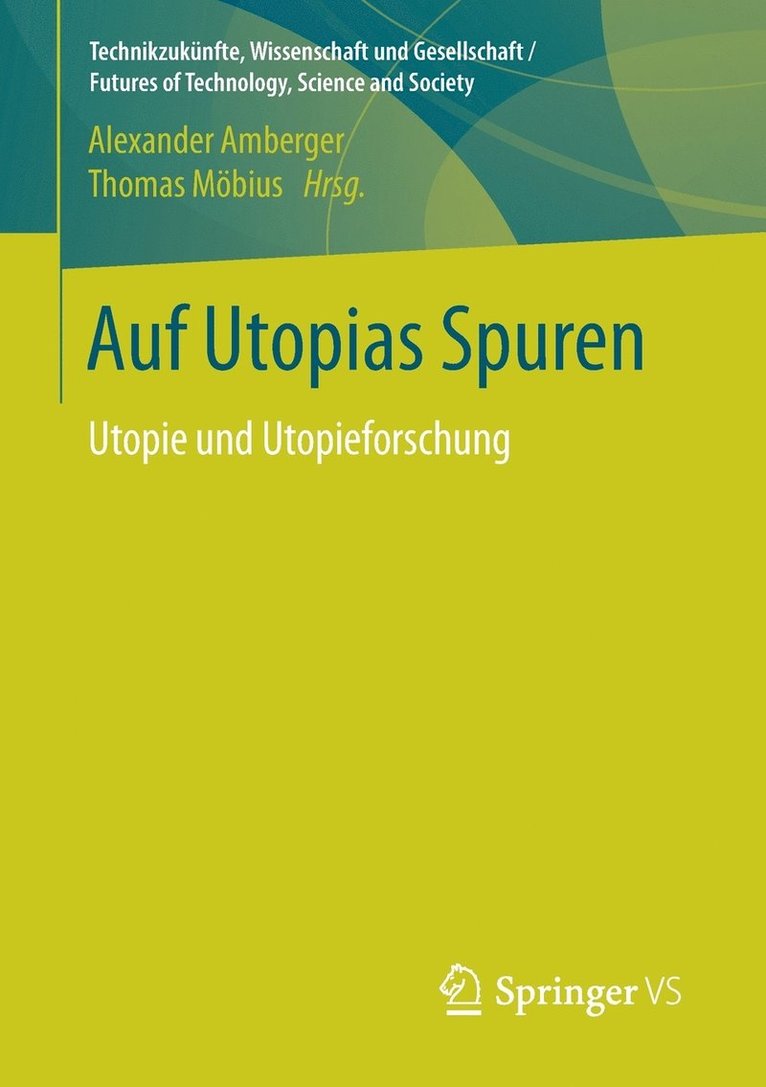
Mer från samma författare
Akribie und Obsession
Michaela Wünsch, Alexander Amberger, Wolfgang Ernst, MaroS Krivý, Katharina Loeber, Birgit Schneider, Oliver Sukrow, Anneliese Ostertag, Tabea Rossol, Zentrum für Netzkunst
Häftad
289 kr
Hoppa över listan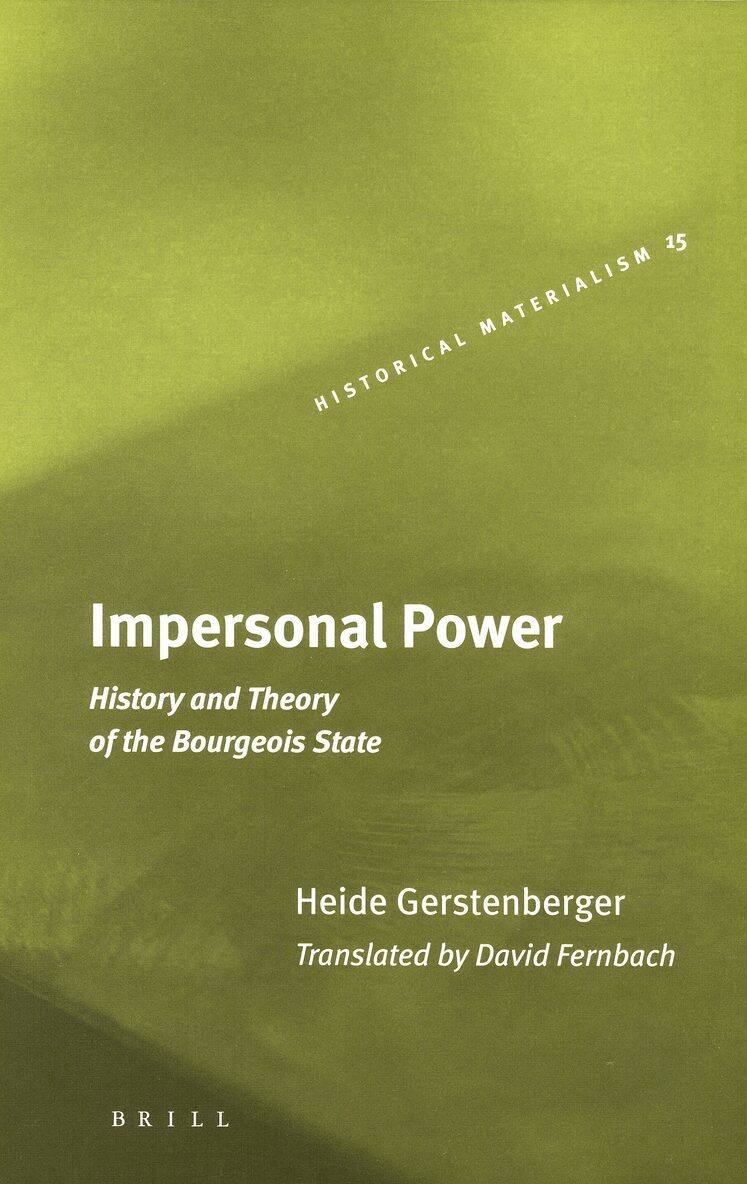
Mer från samma serie
Del 15
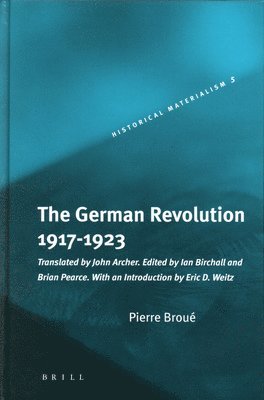
Del 5
Del 16
Del 14
Del 17
Del 18
Del 19
Del 21
Witnesses to Permanent Revolution: The Documentary Record
Richard B. Day, Daniel Gaido
Inbunden, 2009
5 869 kr
Del 24
Del 22
Hoppa över listan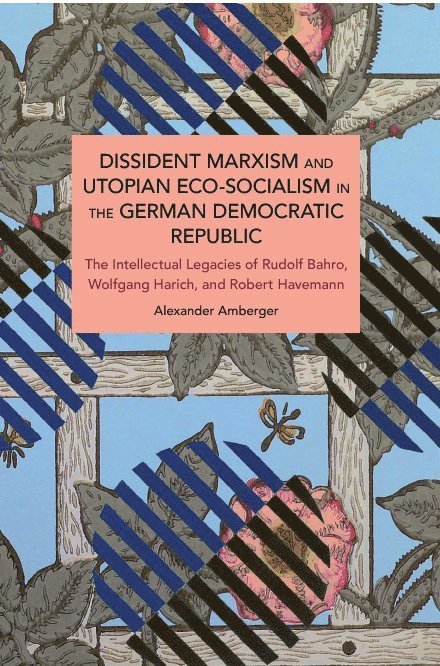




Du kanske också är intresserad av
Dissident Marxism and Utopian Eco-Socialism in the German Democratic Republic
Alexander Amberger
Häftad, 2025
609 kr
Akribie und Obsession
Michaela Wünsch, Alexander Amberger, Wolfgang Ernst, MaroS Krivý, Katharina Loeber, Birgit Schneider, Oliver Sukrow, Anneliese Ostertag, Tabea Rossol, Zentrum für Netzkunst
Häftad
289 kr
- Nyhet
Del 3
- Nyhet
Del 11
- Nyhet
- Nyhet
- Nyhet
Del 4
Del 1
- Nyhet
Del 4