
Del i serien Contemporary Trends and Issues in Science Education
Designing Communities
Inbunden, Engelska, 1997
729 kr
Beställningsvara. Skickas inom 10-15 vardagar. Fri frakt för medlemmar vid köp för minst 249 kr.
Finns i fler format (1)
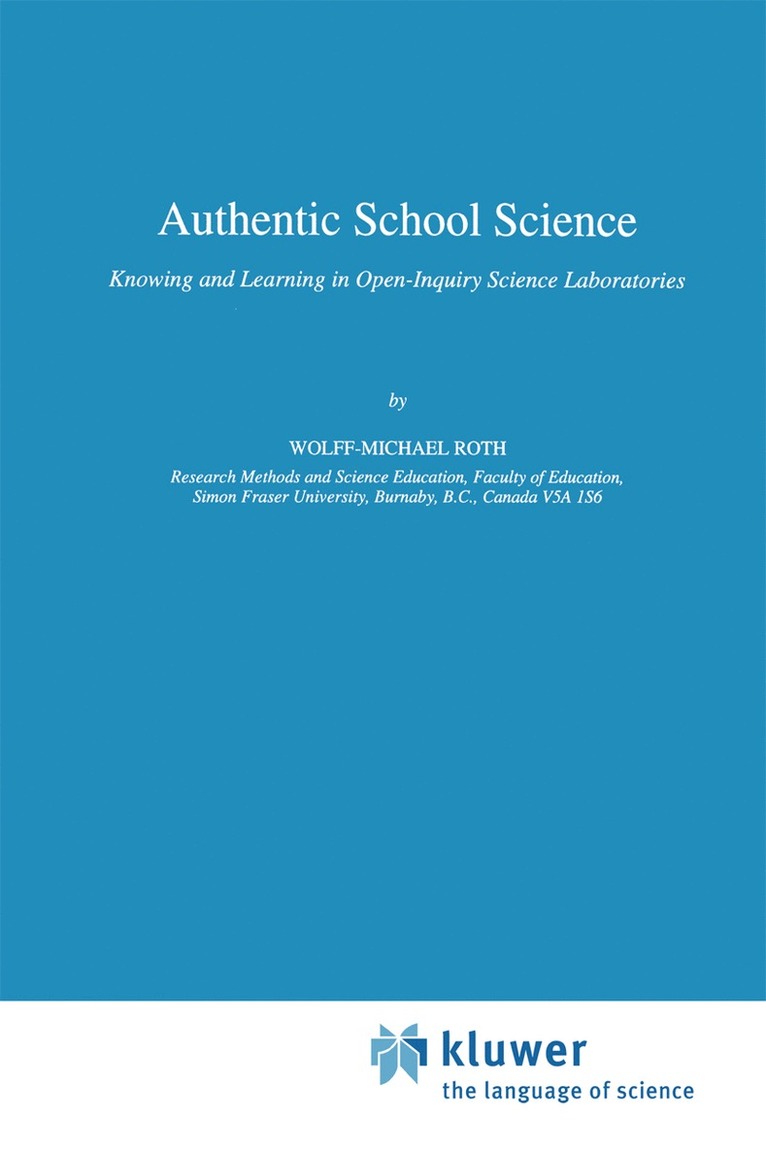
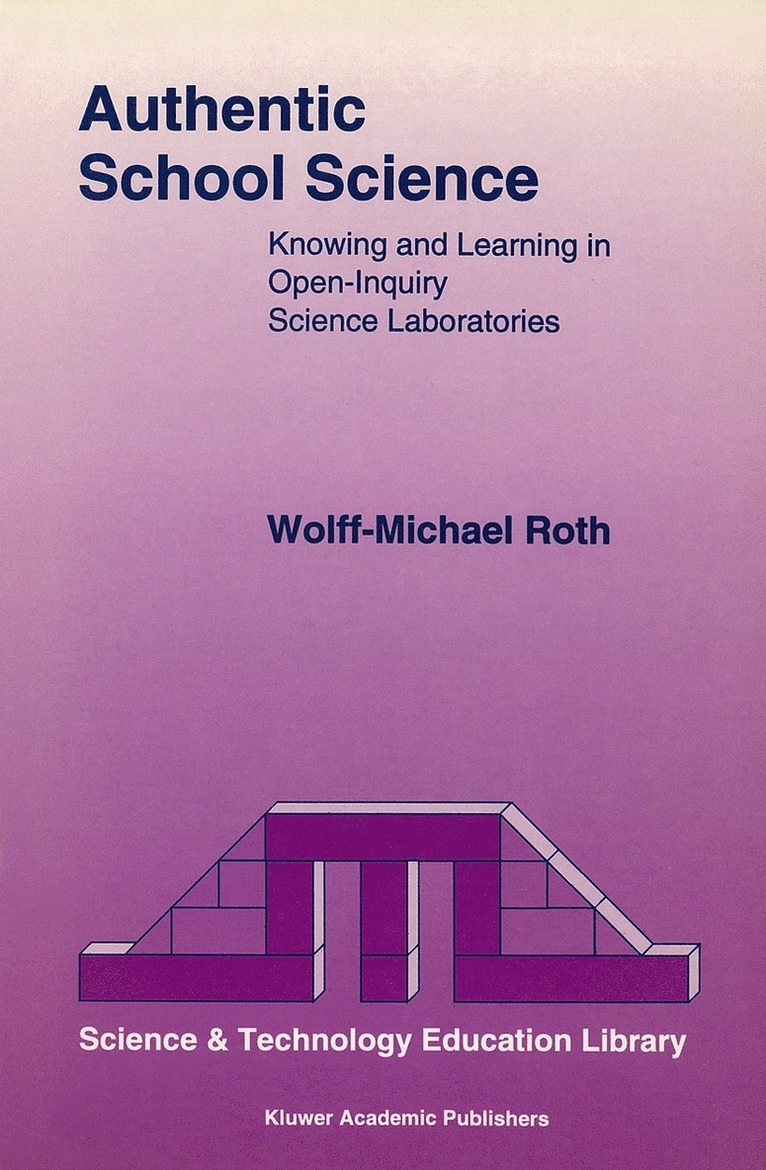
This book employs a set of theoretical frames to reveal a panorama of research findings having potential interest for educational researchers, policy makers, teacher educators and K-12 teachers. It maintains that ideal science classrooms feature creative and inquisitive students working together to solve problems that interest them. More learning occurs at centres of high pupil density and students who participate most in on-task activities are not necessarily those who contribute or learn most. The book identifies weaknesses of assessment based on products only, and highlights the advantages of using videotapes as sources for assessment. Roth shows that student learning is not only a result of individual sense-making efforts but involves interactions between living and artifactual components of a community of participants.
Produktinformation
- Utgivningsdatum1997-12-31
- Mått155 x 235 x undefined mm
- FormatInbunden
- SpråkEngelska
- SerieContemporary Trends and Issues in Science Education
- Antal sidor313
- FörlagKluwer Academic Publishers
- ISBN9780792347033
Tillhör följande kategorier
Hoppa över listan





Mer från samma författare
Geometry as Objective Science in Elementary School Classrooms
Wolff-Michael Roth
Inbunden, 2011
3 119 kr
Del 1
Del 1
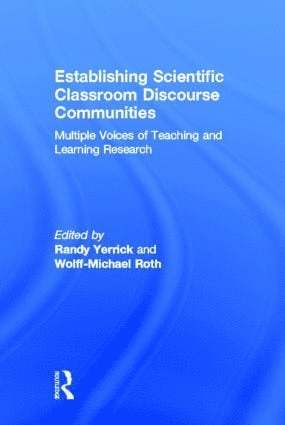
Establishing Scientific Classroom Discourse Communities
Randy K. Yerrick, Wolff-Michael Roth
Inbunden, 2004
3 209 kr
Hoppa över listan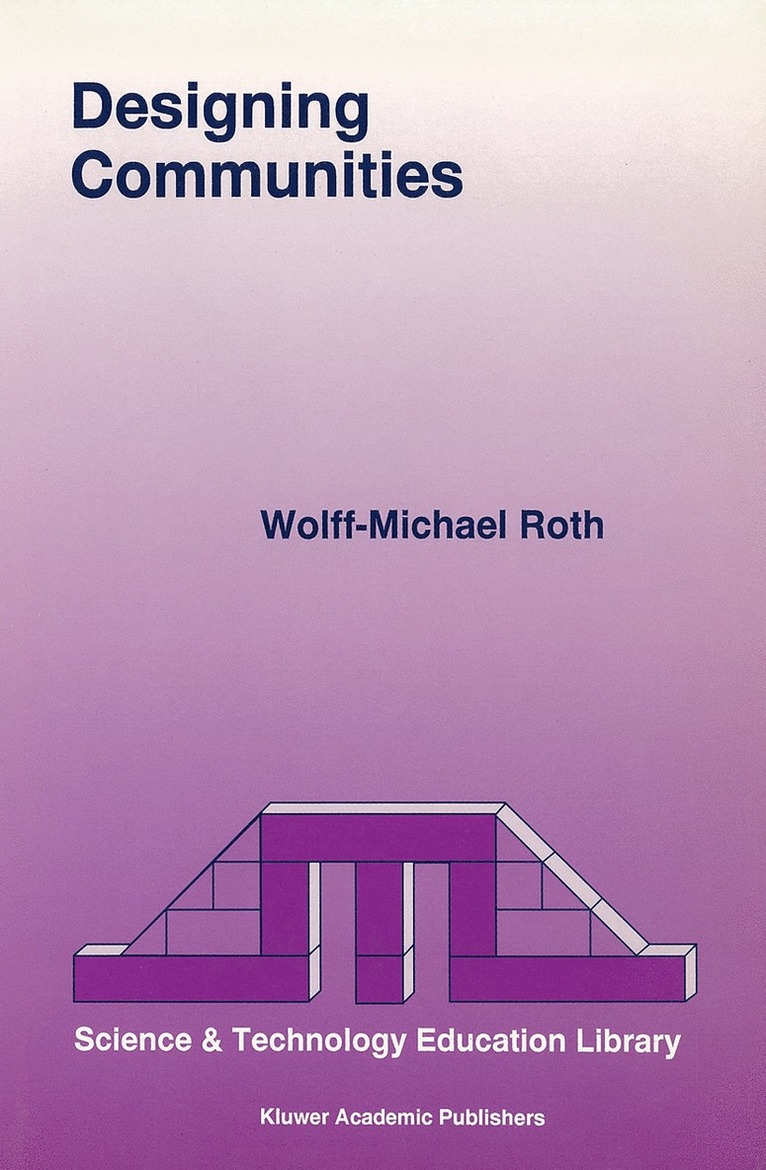









Du kanske också är intresserad av
Del 3
- Nyhet
Del 3
- Nyhet
Del 11
- Nyhet
Del 6
- Nyhet
Del 4
Del 3
Del 1
Del 7
Del 2
- Nyhet