
Deed Without a Name
Häftad, Engelska, 2019
189 kr
Skickas . Fri frakt för medlemmar vid köp för minst 249 kr.
“My accidents can’t be accidental. Very well, there’s only one thing they can be–and that’s attempted murder.”Archy Mitfold had always loved a mystery, but he never expected to take the lead role in a thriller. Yet there was no doubt in his mind that someone was trying to kill him. First there was the narrow miss on Trumpeter’s Row, where a car accelerated straight at him. Then there were the chocolates Archy received on his birthday—with an unsigned card—that made him ill. Most recent was the sharp push in the back that almost sent him sprawling in front of an oncoming commuter train. What does Archy know that someone is willing to kill for? And does the recent kidnapping of millionaire Sampson Vick have anything to do with his accidents? Or is all this just the sign of self-absorbed and histrionic young man? Before long, Chief Inspector Dan Pardoe is called to investigate and untangles more than one mystery in the process.A Deed Without a Name has a well-realised and atmospheric setting during England’s “phony war” period in 1939.
Produktinformation
- Utgivningsdatum2019-01-01
- Mått129 x 198 x 21 mm
- Vikt288 g
- FormatHäftad
- SpråkEngelska
- Antal sidor301
- FörlagMoonstone Press
- ISBN9781899000128
Tillhör följande kategorier
Hoppa över listan

Du kanske också är intresserad av
Del 7
Del 2
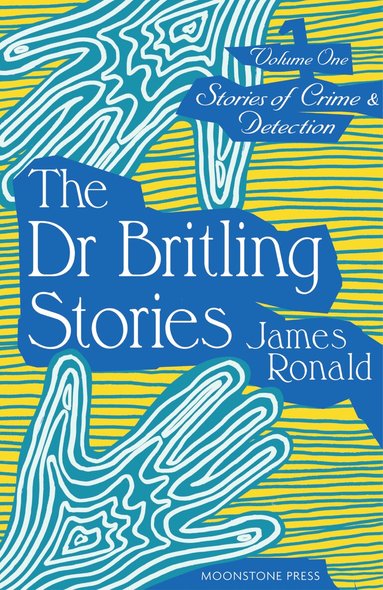
Stories of Crime & Detection Vol I: The Dr. Britling Stories
James Ronald, Chris Verner
Häftad, 2023
409 kr