
Del i serien RIPE Series in Global Political Economy
Debtfare States and the Poverty Industry
Money, Discipline and the Surplus Population
Häftad, Engelska, 2014
909 kr
Beställningsvara. Skickas inom 10-15 vardagar. Fri frakt för medlemmar vid köp för minst 249 kr.
Finns i fler format (1)
WINNER of the BISA IPEG Book Prize 2015 http://www.bisa-ipeg.org/ipeg-book-prize-2015-winner-announced/ Under the rubric of ‘financial inclusion’, lending to the poor –in both the global North and global South –has become a highly lucrative and rapidly expanding industry since the 1990s. A key inquiry of this book is what is ‘the financial’ in which the poor are asked to join. Instead of embracing the mainstream position that financial inclusion is a natural, inevitable and mutually beneficial arrangement, Debtfare States and the Poverty Industry suggests that the structural violence inherent to neoliberalism and credit-led accumulation have created and normalized a reality in which the working poor can no longer afford to live without expensive credit.The book further transcends economic treatments of credit and debt by revealing how the poverty industry is extricably linked to the social power of money, the paradoxes in credit-led accumulation, and ‘debtfarism’. The latter refers to rhetorical and regulatory forms of governance that mediate and facilitate the expansion of the poverty industry and the reliance of the poor on credit to augment/replace their wages. Through a historically grounded analysis, the author examines various dimensions of the poverty industry ranging from the credit card, payday loan, and student loan industries in the United States to micro-lending and low-income housing finance industries in Mexico.Providing a much-needed theorization of the politics of debt, Debtfare States and the Poverty Industry has wider implications of the increasing dependence of the poor on consumer credit across the globe, this book will be of very strong interest to students and scholars of Global Political Economy, Finance, Development Studies, Geography, Law, History, and Sociology.The Open Access version of this book, available at http://www.taylorfrancis.com/books/e/9781315761954, has been made available under a Creative Commons Attribution-Non Commercial-No Derivatives 4.0 license.https://www.youtube.com/watch?v=2lU6PHjyOzU
Produktinformation
- Utgivningsdatum2014-09-11
- Mått156 x 234 x 17 mm
- Vikt450 g
- FormatHäftad
- SpråkEngelska
- SerieRIPE Series in Global Political Economy
- Antal sidor302
- FörlagTaylor & Francis Ltd
- ISBN9780415822671
Tillhör följande kategorier
Hoppa över listan


Mer från samma författare
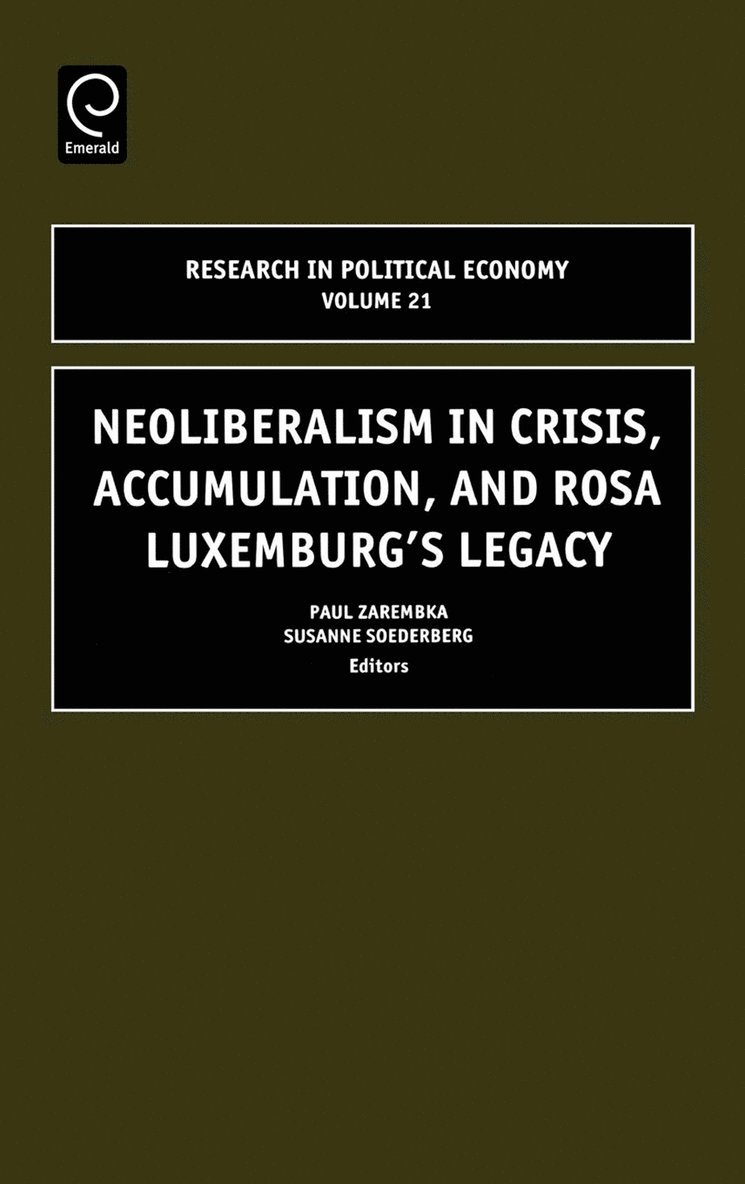
Del 21
Neoliberalism in Crisis, Accumulation, and Rosa Luxemburg's Legacy
Susanne Soederberg, Paul Zarembka
Inbunden, 2004
1 809 kr
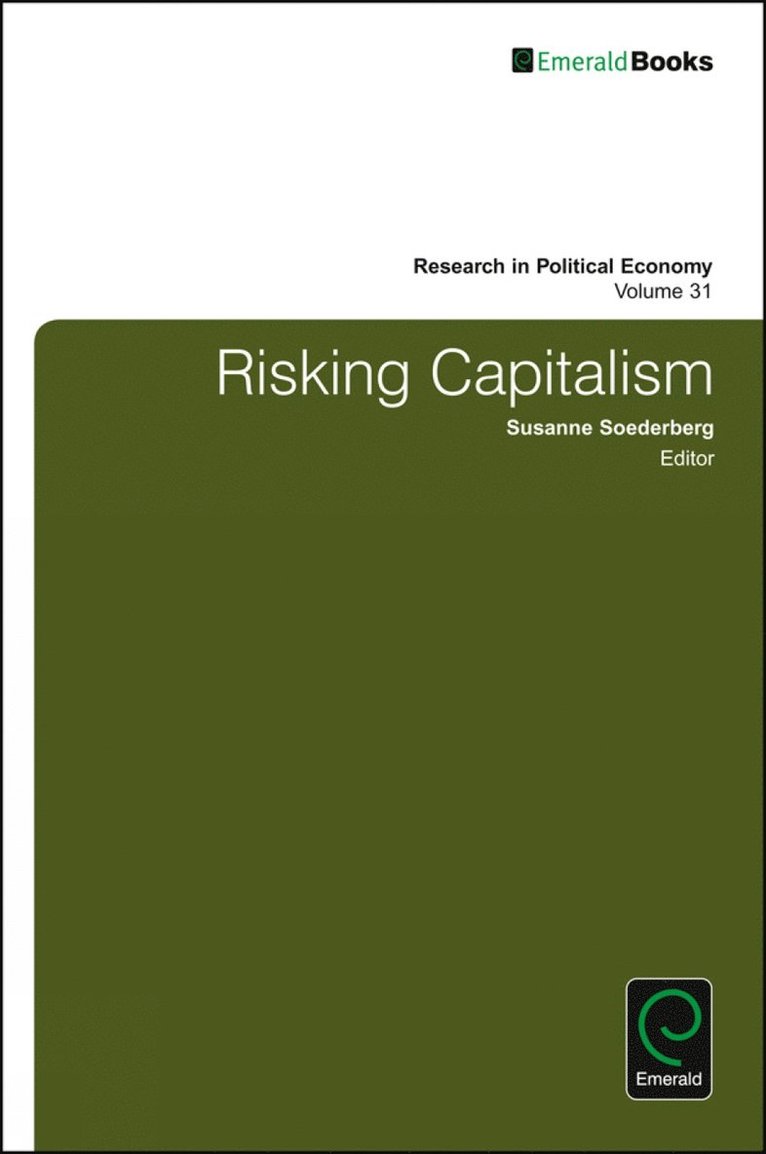
Del 31
Hoppa över listan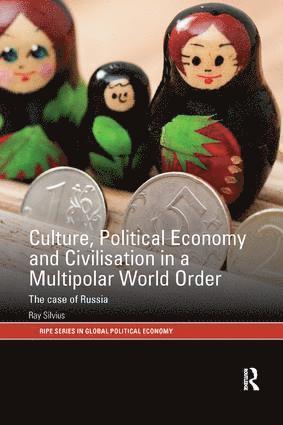
Mer från samma serie
Culture, Political Economy and Civilisation in a Multipolar World Order
Ray Silvius
Häftad, 2018
779 kr
Free Trade Agreements and Global Labour Governance
Adrian Smith, James Harrison, Liam Campling, Ben Richardson, Mirela Barbu
Inbunden, 2020
3 169 kr
State-permeated Capitalism in Large Emerging Economies
Andreas Nölke, Tobias ten Brink, Christian May, Simone Claar
Inbunden, 2019
3 259 kr
Hoppa över listan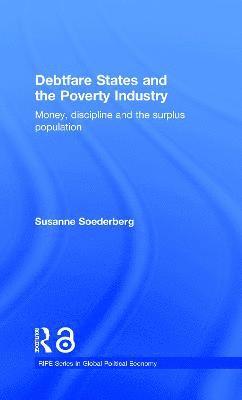
Du kanske också är intresserad av
Del 31
Del 21
Neoliberalism in Crisis, Accumulation, and Rosa Luxemburg's Legacy
Susanne Soederberg, Paul Zarembka
Inbunden, 2004
1 809 kr