
Del i serien RIPE Series in Global Political Economy
Culture, Political Economy and Civilisation in a Multipolar World Order
The Case of Russia
Häftad, Engelska, 2018
789 kr
Beställningsvara. Skickas inom 10-15 vardagar. Fri frakt för medlemmar vid köp för minst 249 kr.
Finns i fler format (1)
This book seeks to understand how Russia’s multifaceted rejection of American unipolarity and de-territorialised neo-liberal capitalism has contributed to the gestation of the present multipolar moment in the global political economy. Analysing Western world order precepts via the actions of a powerful, albeit precarious, national political economy and state structure situated on the periphery of Western world order, Silvius explores the manner in which culture and ideas are mobilised for the purposes of national, regional and international political and economic projects in a post-global age.The book: Explains and analyses the tensions of post-Soviet Russia’s integration into, and simultaneous partial rejection of, the capitalist global political economy.Provides an overview of the social, political and historical origins of Russian samobytnost’ (uniqueness) after the fall of the Soviet Union and demonstrates their significance to contemporary understandings of world order.Explores how structures of cultural difference and practices of cultural differentiation interact with the normative legacies of American hegemonic aspirations in contemporary world order structures.Evaluates how cultural and civilisational representations are mobilised for state-projects and their corresponding regional and international dimensions within the global political economy.This book will be of great interest to students and scholars of Russian Foreign Policy, IPE and comparative political economy.
Produktinformation
- Utgivningsdatum2018-10-18
- Mått156 x 234 x undefined mm
- Vikt360 g
- FormatHäftad
- SpråkEngelska
- SerieRIPE Series in Global Political Economy
- Antal sidor188
- FörlagTaylor & Francis Ltd
- ISBN9780367085698
Tillhör följande kategorier
Hoppa över listan
Mer från samma serie
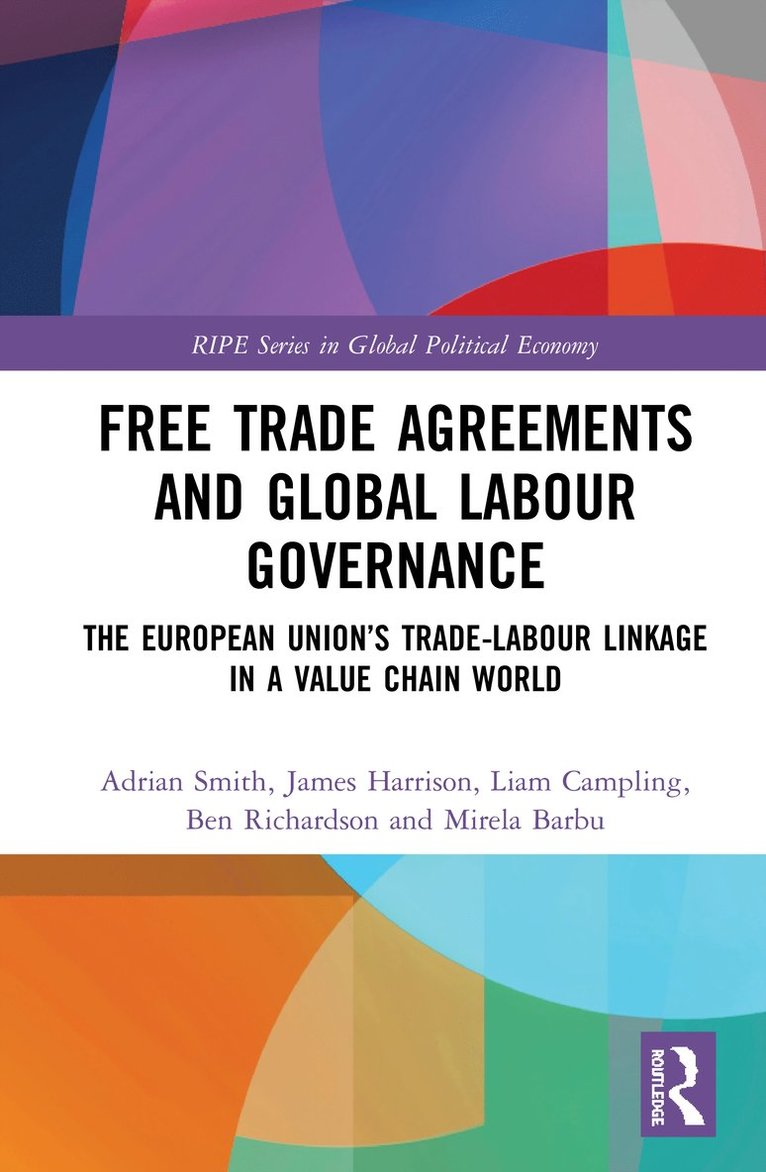
Free Trade Agreements and Global Labour Governance
Adrian Smith, James Harrison, Liam Campling, Ben Richardson, Mirela Barbu
Inbunden, 2020
3 209 kr
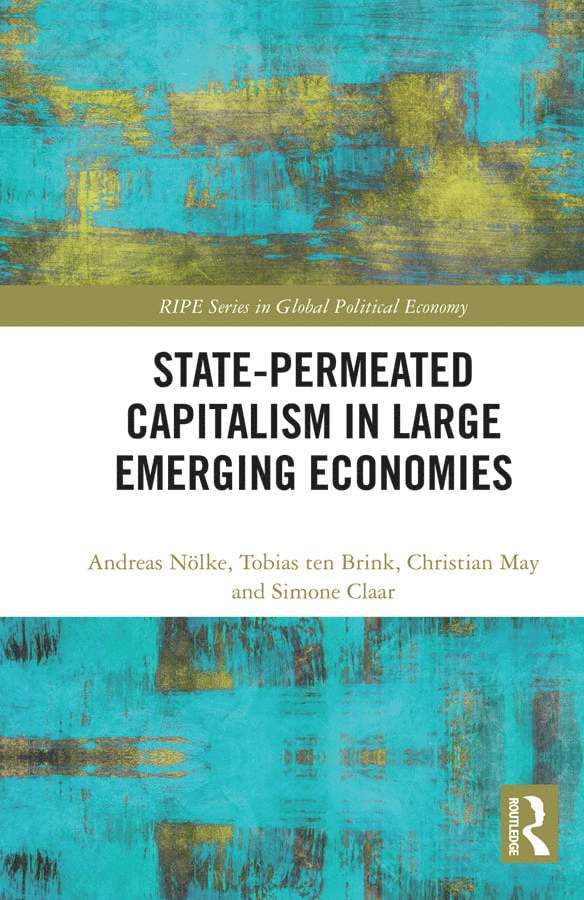
State-permeated Capitalism in Large Emerging Economies
Andreas Nölke, Tobias ten Brink, Christian May, Simone Claar
Inbunden, 2019
3 309 kr
Hoppa över listan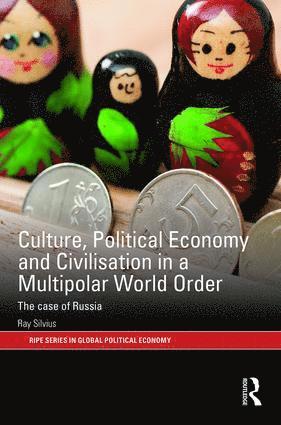








Du kanske också är intresserad av
Culture, Political Economy and Civilisation in a Multipolar World Order
Ray Silvius
Inbunden, 2016
3 209 kr
- Nyhet
Del 3
- Nyhet
Del 11
- Nyhet
Del 6
- Nyhet
Del 4
Del 3
Del 1
Del 7
Del 2
- Nyhet