
Del i serien Elements in Politics and Society in Southeast Asia
Courts and Politics in Southeast Asia
Inbunden, Engelska, 2024
1 069 kr
Beställningsvara. Skickas inom 5-8 vardagar. Fri frakt för medlemmar vid köp för minst 249 kr.
Finns i fler format (1)
Courts around the globe have become central players in governance, those in Southeast Asia have been no exception. This Element analyses the historical foundations, patterns, and drivers of judicialization of politics by mapping critical junctures that have shaped the emergence of modern courts in the region and providing a basic typology of courts and politics that extends the analysis to the contemporary situation. It also offers a new relational theory that helps explain the dynamics of judicial recruitment, decision-making, court performance-and ultimately perceptions of judicial legitimacy. In a region where power is often concentrated among oligarchs and clientelist political dynamics persist, it posits that courts are best comprehended as institutional hybrids. These hybrids seamlessly blend formal and informal practices, with profound implications for how Southeast Asian courts are molding both the rule of law and political governance.
Produktinformation
- Utgivningsdatum2024-04-04
- Mått159 x 236 x 11 mm
- Vikt280 g
- FormatInbunden
- SpråkEngelska
- SerieElements in Politics and Society in Southeast Asia
- Antal sidor88
- FörlagCambridge University Press
- ISBN9781009517737
Tillhör följande kategorier
Hoppa över listan


Mer från samma författare
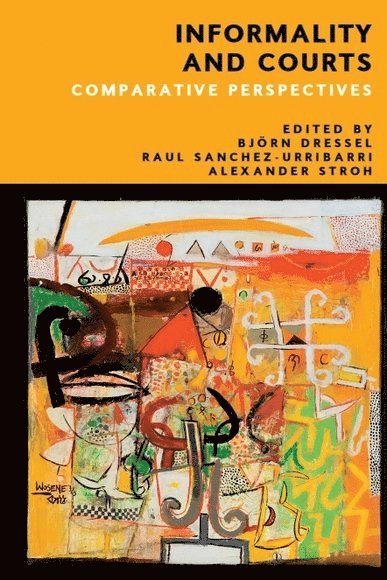
Informality and Courts
Björn Dressel, Raul Sanchez-Urribarri, Alexander Stroh-Steckelberg
Inbunden, 2024
1 569 kr
Informality and Courts
Björn Dressel, Raul Sanchez-Urribarri, Alexander Stroh-Steckelberg
Häftad, 2026
439 kr
Hoppa över listan



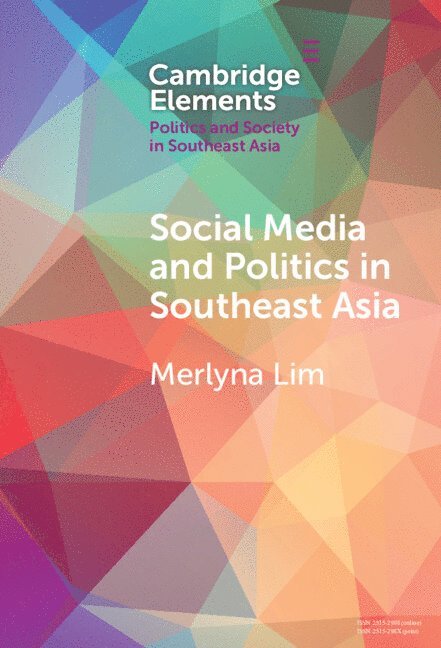

Mer från samma serie
Sustainable Development and the Environment in Southeast Asia
Pamela D. McElwee
Inbunden, 2025
1 159 kr
Hoppa över listan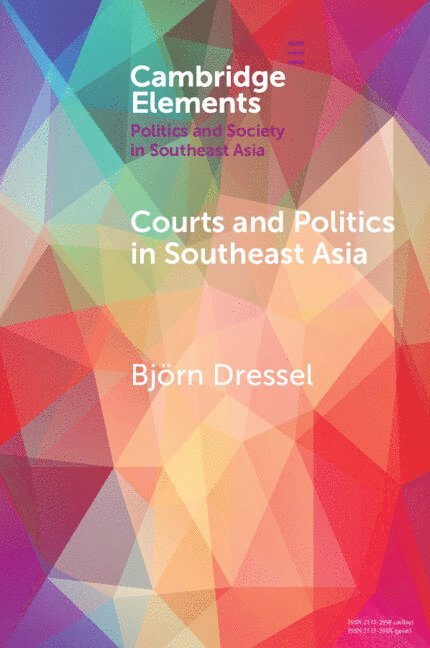


Du kanske också är intresserad av
Informality and Courts
Björn Dressel, Raul Sanchez-Urribarri, Alexander Stroh-Steckelberg
Häftad, 2026
439 kr
Informality and Courts
Björn Dressel, Raul Sanchez-Urribarri, Alexander Stroh-Steckelberg
Inbunden, 2024
1 569 kr
- Nyhet
Del 3