
Del i serien Lexington Books
Corpse Encounters
An Aesthetics of Death
Häftad, Engelska, 2020
699 kr
Beställningsvara. Skickas inom 10-15 vardagar. Fri frakt för medlemmar vid köp för minst 249 kr.
Finns i fler format (1)
This book takes a critical glance at the ways in which we attend to the corpse, tracing a trajectory from encounter toward considering options for disposal: veneered mortuary internment, green burial and its attendant rot, cremation and alkaline hydrolysis, donation and display, and ecological burial. Through tracing the possible futures of the dead that haunt the living, through both the stories that we tell and physical manifestations following the end of life, we expose the workings of aesthetics that shape corpses, as well as the ways in which corpses spill over, resisting aestheticization. This book creates a space for ritualized practices surrounding death: corpse disposal; corpse aesthetics that shape both practices attendant upon and representations of the corpse; and literary, figural, and cultural representations that deploy these practices to tell a story about dead bodies—about their separation from the living, about their disposability, and ultimately about the living who survive the dead, if only for a while. There is an aesthetics of erasure persistently at work on the dead body. It must be quickly hidden from sight to shield us from the certain trauma of our own demise, or so the unspoken argument goes. Experts—scientists, forensic specialists, death-care professionals, and law enforcement—are the only ones qualified to view the dead for any extended period of time. The rest of us, with only brief doses, inoculate ourselves from the materiality of death in complex and highly ritualized ceremonies. Beyond participating in the project of restoring our sense of finitude, we try to make sense of the untouchable, unviewable, haunting, and taboo presence of the corpse itself.
Produktinformation
- Utgivningsdatum2020-08-11
- Mått153 x 219 x 16 mm
- Vikt313 g
- FormatHäftad
- SpråkEngelska
- SerieLexington Books
- Antal sidor240
- FörlagBloomsbury Publishing Plc
- ISBN9781498543958
Tillhör följande kategorier
Hoppa över listan
Mer från samma serie
Promoting Abstinence, Being Faithful, and Condom Use with Young Africans
Mary Louisa Plummer
Häftad, 2014
1 109 kr
Hoppa över listan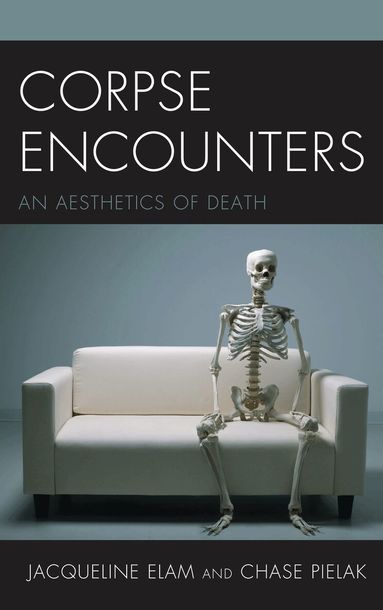






Du kanske också är intresserad av
- Nyhet
Del 7
- Nyhet
Del 6
- Nyhet
Del 3
- Nyhet
Del 4
- Nyhet
Del 11