
Del 5
Del 5 i serien Cotsen Advanced Seminars
Construction of Value in the Ancient World
Häftad, Engelska, 2024
779 kr
Beställningsvara. Skickas inom 11-20 vardagar. Fri frakt för medlemmar vid köp för minst 249 kr.
Recipient of the Jo Anne Stolaroff Cotsen PrizeScholars from Aristotle to Marx and beyond have been fascinated by the question of what constitutes value. The Construction of Value in the Ancient World makes a significant contribution to this ongoing inquiry, bringing together in one comprehensive volume the perspectives of leading anthropologists, archaeologists, historians, linguists, philologists, and sociologists on how value was created, defined, and expressed in a number of ancient societies around the world.Based on the premise that value is a social construct defined by the cultural context in which it is situated, the book explores four overarching but closely interrelated themes: place value, body value, object value, and number value. The questions raised and addressed are of central importance to archaeologists studying ancient civilizations: How can we understand the value that might have been accorded to materials, objects, people, places, and patterns of action by those who produced or used the things that compose the human material record? Taken as a whole, the contributions to this volume demonstrate how the concept of value lies at the intersection of individual and collective tastes, desires, sentiments, and attitudes that inform the ways people select, or give priority to, one thing over another.24 pages of colour plates
Produktinformation
- Utgivningsdatum2024-04-23
- Mått178 x 254 x 33 mm
- Vikt1 376 g
- FormatHäftad
- SpråkEngelska
- SerieCotsen Advanced Seminars
- Antal sidor664
- FörlagCotsen Institute of Archaeology at UCLA
- ISBN9781950446520
Tillhör följande kategorier
Hoppa över listan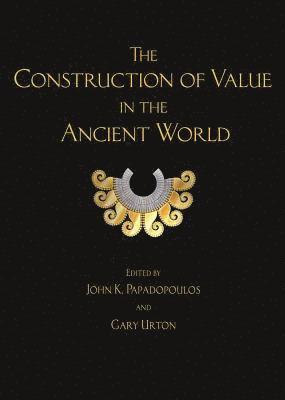




Du kanske också är intresserad av
Del 1
Theory and Practice in Mediterranean Archaeology
Richard M. Leventhal, John K. Papadopoulos
Inbunden, 2003
449 kr
Del 26
Del 49
Ancient Methone, 2003-2013 (2 volume set)
Sarah P. Morris, John K. Papadopoulos
Inbunden, 2023
2 509 kr
Del 36
Del 31