
Del 1
Del 13 i serien Avisos de Flandes
Conflicting Words
The Peace Treaty of Münster (1648) and the Political Culture of the Dutch Republic and the Spanish Monarchy
Häftad, Engelska, 2011
669 kr
Tillfälligt slut
The Peace of Münster, signed between the Catholic Monarchy and the United Provinces in 1648, went against the political culture of both polities. The fact that the Spanish Monarchy definitively accepted the independence of its former subjects clearly negated the policy put forward by the Monarchy during the ‘eighty' years that the war lasted and to the Monarchy's declared main goals. For the United Provinces, signing a peace with the archenemy without having brought liberty and religious freedom to ten of the seventeen provinces that formed part of the ancient Burgundian circle was also considered by important groups in the ‘rebel' provinces as a defection. Portraying the political culture of both the Catholic Monarchy and the United Provinces, this work analyses the views held in both territories concerning the points which were discussed in pamphlets and treatises published during the peace negotiations. It also traces the origin of the arguments presented, showing how they were transformed during the period under study, and discusses their influence, or presence, in the diplomatic negotiations among the ambassadors of the United Provinces and the Catholic Monarchy in the German town of Münster. These discussions are inserted in the wider framework of a Christian realm that had to reassess its own values as a consequence of the confessionalisation process and the Thirty Years' War, which affected not only the Empire but, in one way or another, all Central and Western Europe. This publication is GPRC-labeled (Guaranteed Peer-Reviewed Content).
Produktinformation
- Utgivningsdatum2011-05-12
- Mått170 x 244 x 15 mm
- Vikt907 g
- FormatHäftad
- SpråkEngelska
- SerieAvisos de Flandes
- Antal sidor286
- FörlagLeuven University Press
- ISBN9789058678676
Tillhör följande kategorier
Hoppa över listan




Mer från samma serie
Del 14
Del 15
Del 17
Del 16
Le confesseur du Prince dans les Pays-Bas espagnols (1598-1659)
Pierre-Francois Pirlet
Häftad, 2018
1 449 kr
Del 18
Del 19
Del 20
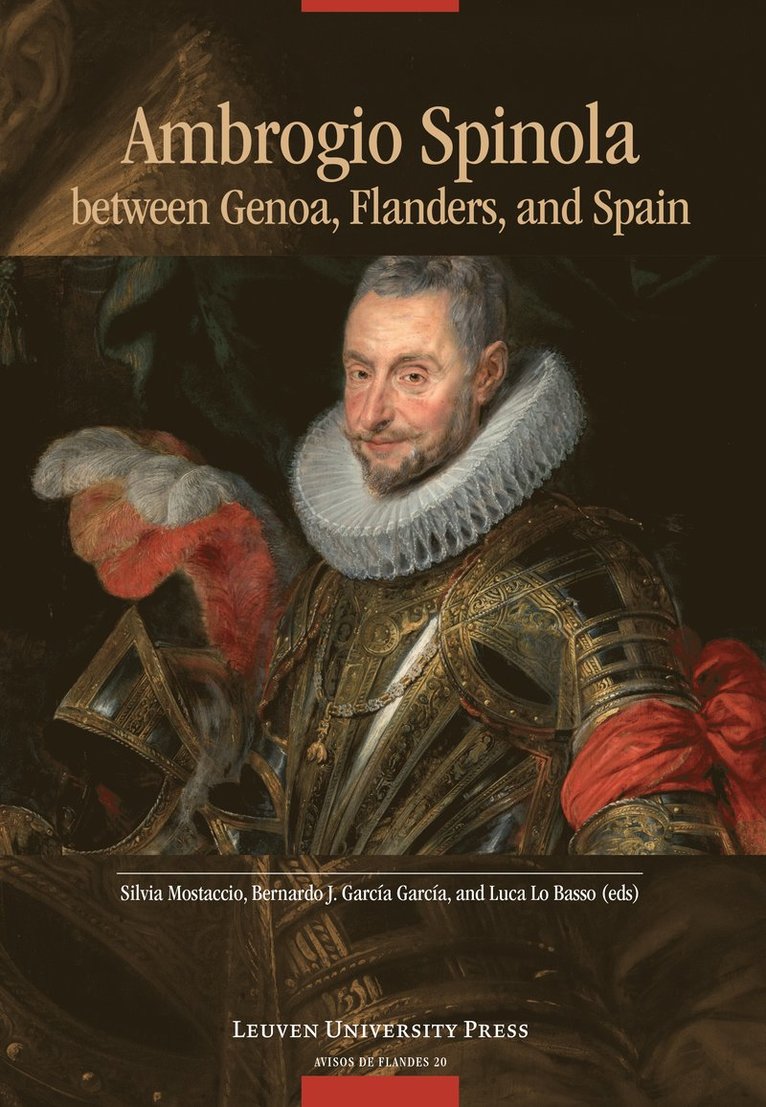
Ambrogio Spinola between Genoa, Flanders, and Spain
Silvia Mostaccio, Bernardo J. Garcia Garcia, Luca Lo Basso, Silvia Mostaccio, Bernardo J. García García, Bernardo J. García García
Häftad, 2022
1 169 kr
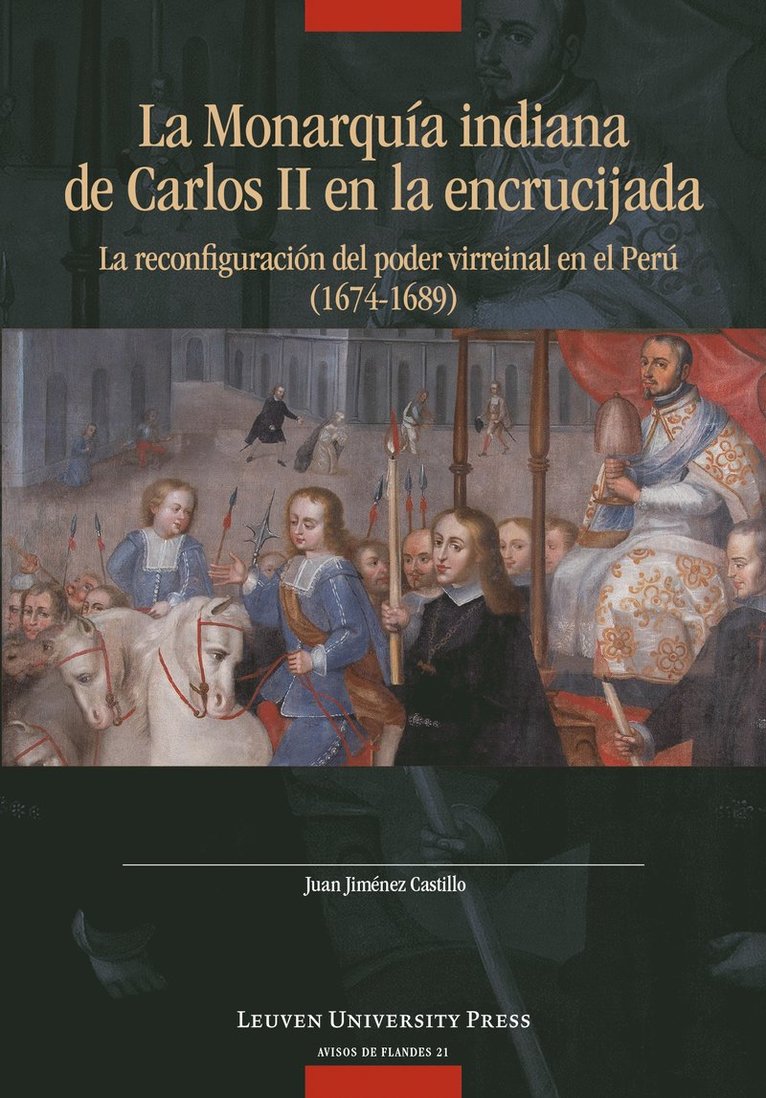
Del 21
Hoppa över listan

Du kanske också är intresserad av
Del 14
- Nyhet
Del 3
Del 18
Del 20
Ambrogio Spinola between Genoa, Flanders, and Spain
Silvia Mostaccio, Bernardo J. Garcia Garcia, Luca Lo Basso, Silvia Mostaccio, Bernardo J. García García, Bernardo J. García García
Häftad, 2022
1 169 kr
Del 17
Del 1
Del 15
Del 19
Del 16
Le confesseur du Prince dans les Pays-Bas espagnols (1598-1659)
Pierre-Francois Pirlet
Häftad, 2018
1 449 kr
- Nyhet
Del 11