
Del i serien Lexington Books
Communicating during Humanitarian Medical Crises
The Consequences of Silence or “Témoignage”
Inbunden, Engelska, 2019
1 999 kr
Beställningsvara. Skickas inom 10-15 vardagar. Fri frakt för medlemmar vid köp för minst 249 kr.
The Promise and Perils of " Silence" or " Temoignage" During Humanitarian Crises provides readers with a nuanced study of what happens when historical and 21st century medical humanitarian communities, armed with their idealistic rhetorics, choose whether to speak out or remain silent during various military or medical crises. The author uses a series of case studies from the late nineteenth century to the early twenty-first century to illustrate the politicized nature of these decisions. Unlike some that focus on the prescriptive need to follow certain universal medical humanitarian principles during crises, this book highlights the precarious nature of what some scholars call “medical advocacy/witnessing” or what the French call “témoignage.” The author argues that regardless of whether we are talking about lack of action during colonial crises or the Holocaust, it is oftentimes the lack of political will that determines how like “neutrality” or “impartiality” are interpreted. The book also acquaints readers with some of the challenges that have been recently posed to the “new” humanitarian Doctors Without Borders personnel, who have witnessed the targeting of medical hospitals and clinics. What researchers call the weaponization of medical care affects many in need living in places like Afghanistan, Iraq, Yemen, or Syria. The author concludes the book by underscoring the point that it is the presence or absence of political will, and not the inherent epistemic value of medical humanitarian principles, that dictates when this advocacy succeeds or fails.
Produktinformation
- Utgivningsdatum2019-03-18
- Mått159 x 232 x 29 mm
- Vikt630 g
- FormatInbunden
- SpråkEngelska
- SerieLexington Books
- Antal sidor306
- FörlagBloomsbury Publishing Plc
- ISBN9781498593182
Tillhör följande kategorier
Hoppa över listan




Mer från samma författare
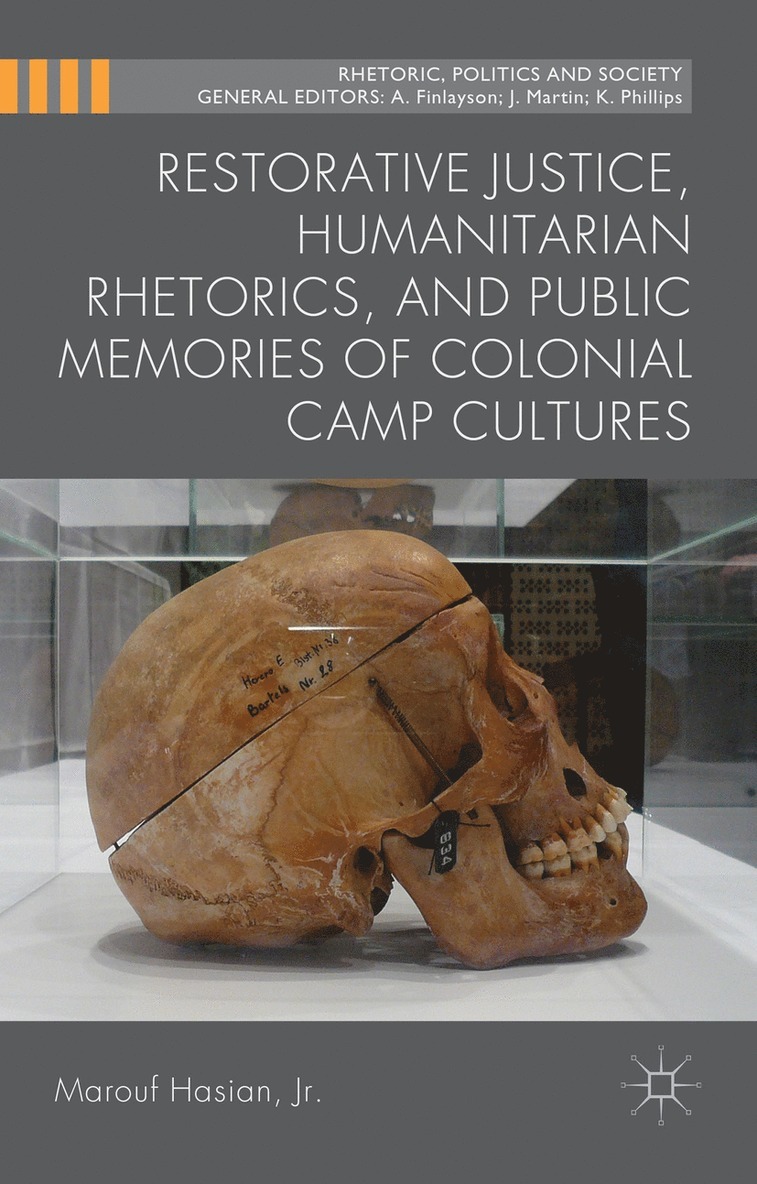
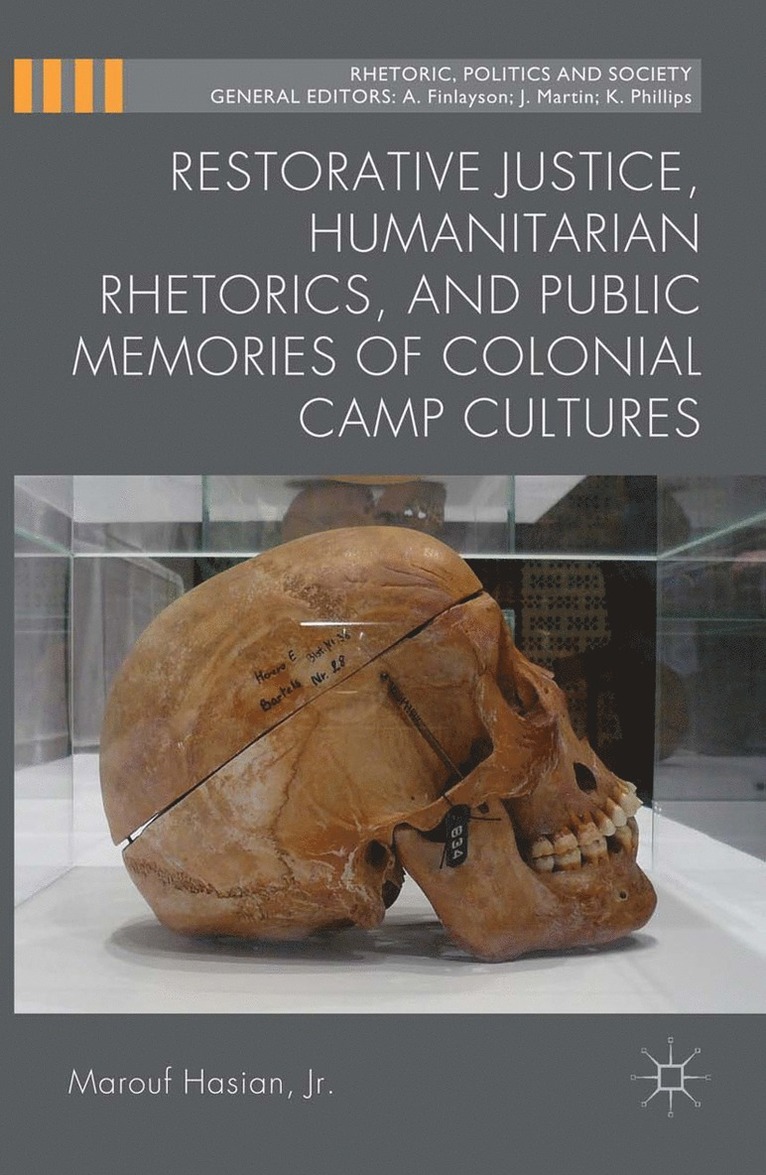
Restorative Justice, Humanitarian Rhetorics, and Public Memories of Colonial Camp Cultures
Kenneth A. Loparo, Marouf Hasian, Jr., Kenneth A Loparo
Inbunden, 2014
739 kr
Postcolonial Critique of the Linde et al. v. Arab Bank, PLC "Terrorism" Bank Cases
Marouf Hasian, Jr.
Inbunden, 2015
719 kr
Restorative Justice, Humanitarian Rhetorics, and Public Memories of Colonial Camp Cultures
Jr. Hasian, Marouf, Kenneth A. Loparo, Marouf Hasian, Jr., Kenneth A Loparo
Häftad, 2014
739 kr
Decolonizing Ebola Rhetorics Following the 2013–2016 West African Ebola Outbreak
Marouf Hasian, Jr.
Inbunden, 2020
1 439 kr
Rhetorical Invention of America's National Security State
Marouf Hasian Jr., Sean Lawson, Megan D. McFarlane
Inbunden, 2015
1 989 kr
Hoppa över listan




Mer från samma serie
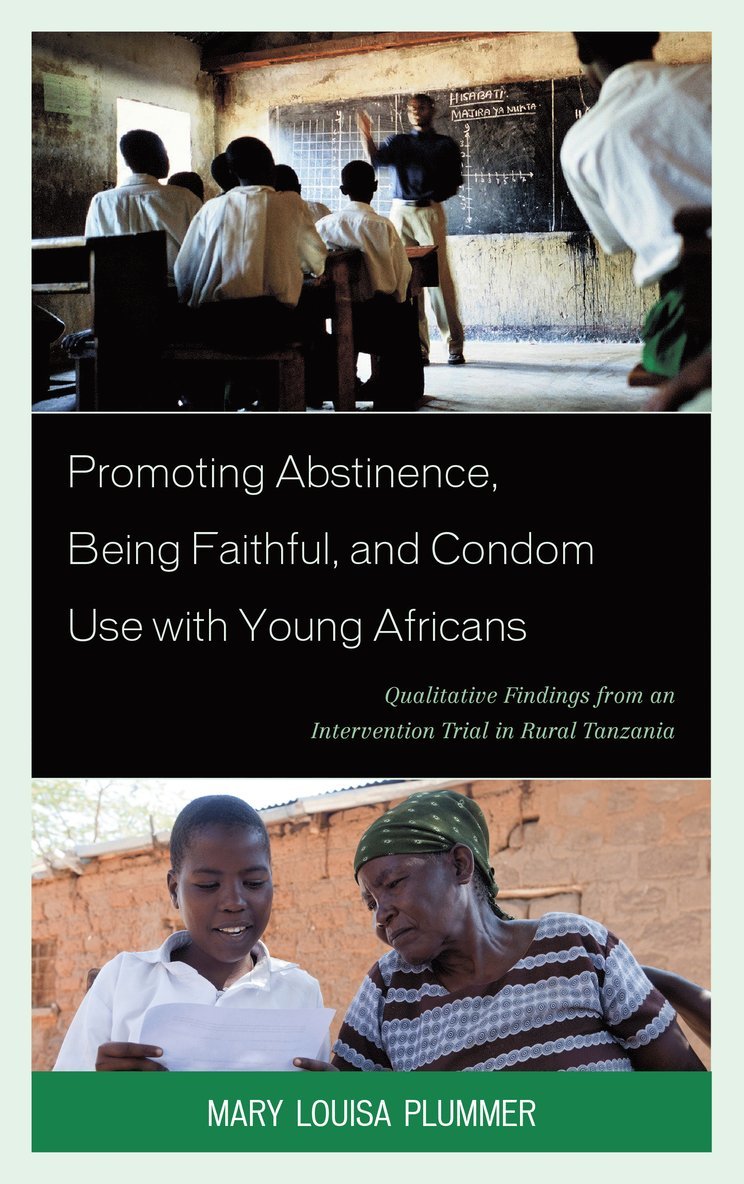
Promoting Abstinence, Being Faithful, and Condom Use with Young Africans
Mary Louisa Plummer
Häftad, 2014
1 089 kr
Hoppa över listan
Du kanske också är intresserad av
Rhetorical Invention of America's National Security State
Marouf Hasian Jr., Sean Lawson, Megan D. McFarlane
Inbunden, 2015
1 989 kr
Restorative Justice, Humanitarian Rhetorics, and Public Memories of Colonial Camp Cultures
Kenneth A. Loparo, Marouf Hasian, Jr., Kenneth A Loparo
Inbunden, 2014
739 kr
Decolonizing Ebola Rhetorics Following the 2013–2016 West African Ebola Outbreak
Marouf Hasian, Jr.
Inbunden, 2020
1 439 kr
Postcolonial Critique of the Linde et al. v. Arab Bank, PLC "Terrorism" Bank Cases
Marouf Hasian, Jr.
Inbunden, 2015
719 kr
Restorative Justice, Humanitarian Rhetorics, and Public Memories of Colonial Camp Cultures
Jr. Hasian, Marouf, Kenneth A. Loparo, Marouf Hasian, Jr., Kenneth A Loparo
Häftad, 2014
739 kr
- Nyhet
Del 11