
Del 19 i serien Northern World
Coinage and History in the North Sea World, c. AD 500-1250
Essays in Honour of Marion Archibald
Inbunden, Engelska, 2005
5 039 kr
Beställningsvara. Skickas inom 5-8 vardagar. Fri frakt för medlemmar vid köp för minst 249 kr.
This is a themed volume of 28 papers, written in honour of Marion Archibald. It considers the role of coinage in northern Europe from the fall of the Western Roman Empire to the early thirteenth century. Although the focus of the volume is the coinage itself, the majority of the papers consider coinage in its historical and/or archaeological context.A recurrent theme of the volume is the movement of coinage across the English Channel and the North Sea and beyond. Particular areas of focus include the importation and use of money in early Anglo-Saxon England; movement, hoarding and secondary treatment of coinage during the Viking Age; and monetary contacts between England and her neighbours under the Normans and Angevins.The papers in this book provide an important range of perspectives in current numismatic research, and will provide a valuable resource for scholars in a variety of disciplines with interests in the economy and society in northern Europe, c. 500-1250.
Produktinformation
- Utgivningsdatum2005-12-23
- Mått155 x 235 x 56 mm
- Vikt1 464 g
- FormatInbunden
- SpråkEngelska
- SerieNorthern World
- Antal sidor794
- FörlagBrill
- ISBN9789004147775
Tillhör följande kategorier
Hoppa över listan
Mer från samma författare
Encounters: Travel and Money in the Byzantine World
Eurydice S. Georganteli, Barrie Cook
Häftad, 2006
119 kr
Hoppa över listan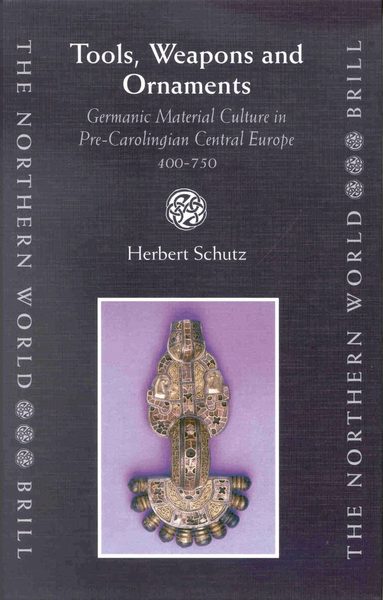
Mer från samma serie
Del 1
Del 8
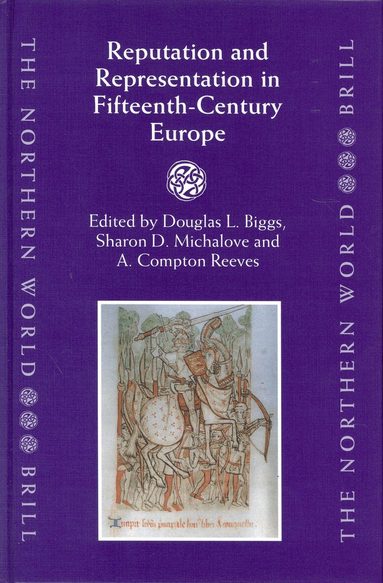
Reputation and Representation in Fifteenth-Century Europe
Douglas Biggs, Sharon Michalove, Compton Reeves
Inbunden, 2004
4 079 kr
Del 9
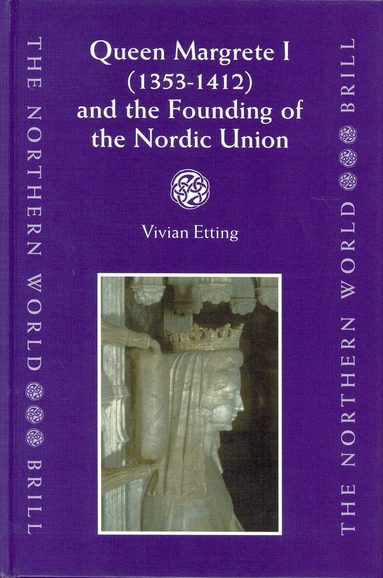
Queen Margrete I (1353-1412) and the Founding of the Nordic Union
Vivian Etting
Inbunden, 2004
3 679 kr
Del 10
Del 13
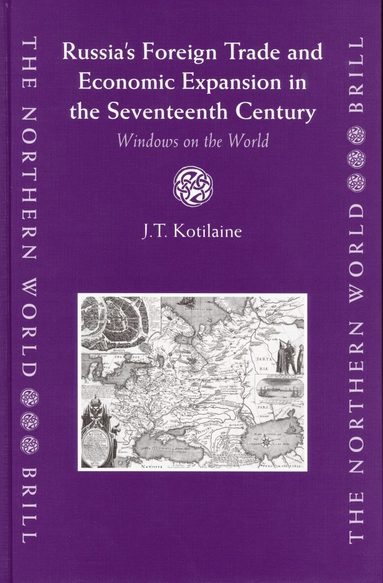
Russia's Foreign Trade and Economic Expansion in the Seventeenth Century
Kotilaine
Inbunden, 2004
5 389 kr
Del 14
Del 15
Del 18
Del 28
Del 31
Hoppa över listan




Du kanske också är intresserad av
Del 46
Del 47
Del 53
Hellenizing Art in Ancient Nubia 300 B.C. - AD 250 and its Egyptian Models
László Török
Inbunden, 2011
5 039 kr
Del 43
Del 97
Del 44
Del 77