
- Nyhet
Del i serien Elements in Global Development Studies
Border Control without Walls
Managing Migration with Foreign Aid
Häftad, Engelska, 2026
359 kr
Skickas . Fri frakt för medlemmar vid köp för minst 249 kr.
Finns i fler format (1)
Immigration to Western nations has risen sharply, fueling political backlash and the ascent of far-right, nativist policymakers who favor restrictive migration policies. Yet such restrictions are unlikely to succeed over the long term because they fail to address the root causes that drive people to seek better lives abroad. Foreign aid has long been viewed as a tool for tackling these underlying causes, though its effectiveness in shaping migration remains contested. The recent curtailment of aid by the same governments advancing migration restrictions creates a pivotal moment to reconsider the role and design of aid programs. This volume contributes to that effort by offering a systematic assessment of the intersections between aid and international migration. It identifies four distinct pathways through which aid affects migration and a fifth feedback pathway through which migration influences the allocation of aid, providing a comprehensive framework for future research and policymaking.
Produktinformation
- Utgivningsdatum2026-06-18
- Mått152 x 228 x 8 mm
- Vikt156 g
- FormatHäftad
- SpråkEngelska
- SerieElements in Global Development Studies
- Antal sidor98
- FörlagCambridge University Press
- ISBN9781009581622
Tillhör följande kategorier
Hoppa över listan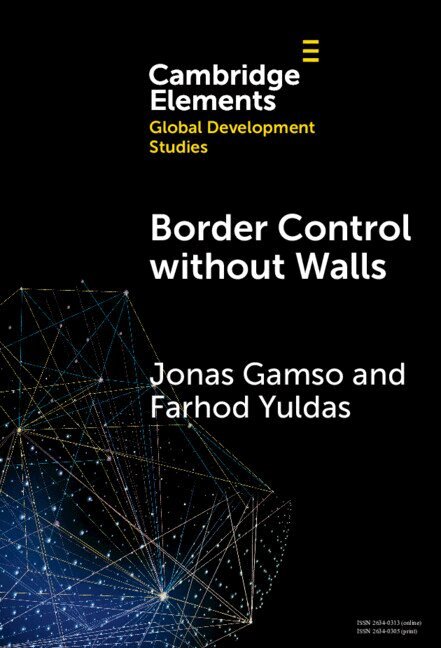








Du kanske också är intresserad av
- Nyhet
Development Subjectivities, Governmentality, and Migration Management in the Pacific
Lya Mainé Astonitas
Inbunden, 2025
1 159 kr
- Nyhet
Del 3