
Black Queer Freedom
Spaces of Injury and Paths of Desire
Häftad, Engelska, 2020
399 kr
Beställningsvara. Skickas inom 7-10 vardagar. Fri frakt för medlemmar vid köp för minst 249 kr.
Finns i fler format (1)
Whether engaged in same-sex desire or gender nonconformity, black queer individuals live with being perceived as a threat while simultaneously being subjected to the threat of physical, psychological, and socioeconomical injury. Attending to and challenging threats has become a defining element in queer black artists' work throughout the black diaspora. GerShun Avilez analyzes the work of diasporic artists who, denied government protections, have used art to create spaces for justice. He first focuses on how the state seeks to inhibit the movement of black queer bodies through public spaces, whether on the street or across borders. From there, he pivots to institutional spaces—specifically prisons and hospitals—and the ways such places seek to expose queer bodies in order to control them. Throughout, he reveals how desire and art open routes to black queer freedom when policy, the law, racism, and homophobia threaten physical safety, civil rights, and social mobility.
Produktinformation
- Utgivningsdatum2020-10-20
- Mått152 x 229 x 20 mm
- Vikt313 g
- FormatHäftad
- SpråkEngelska
- Antal sidor208
- FörlagUniversity of Illinois Press
- ISBN9780252085284
Tillhör följande kategorier
Hoppa över listan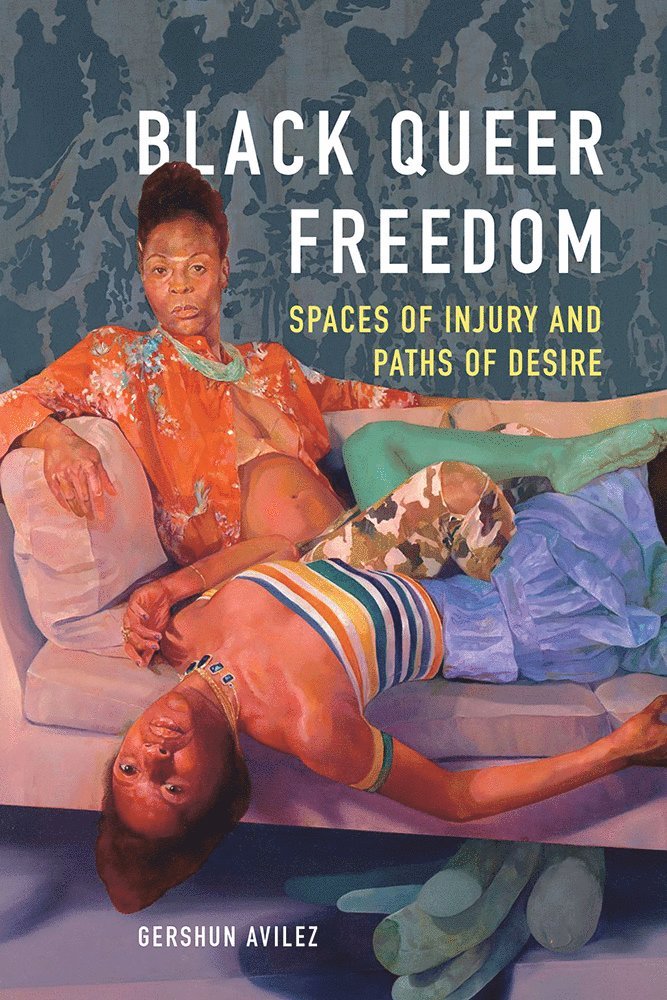







Du kanske också är intresserad av
- Bokrea
- Bokrea
- Bokrea
- Bokrea
Del 2
- Bokrea
Del 1
- Bokrea
Del 1