
Del i serien Scripta Maneant
Basilica of Santa Maria Maggiore
Inbunden, Engelska, 2025
499 kr
Beställningsvara. Skickas inom 5-8 vardagar. Fri frakt för medlemmar vid köp för minst 249 kr.
The Basilica of Santa Maria Maggiore is the only patriarchal basilica of the four in Rome to have retained its paleo-Christian structures. The Basilica dates back to 425 AD and in this elegant and triumphal photographic masterpiece accomplished at the height of today’s technology, we can admire in detail the grandeur of all its artistic details: the mosaics of the nave; the ceremonial arch dating to the pontificate of Pope Sixtus III (432-440 AD); those of the apse made at the behest of Pope Nicholas V (1288-1292); the Cosmatesque floor; the coffered ceiling designed by Giuliano da San Gallo; the Nativity scene by Arnolfo di Cambio; the High Altar by Ferdinando Fuga; the Borghese, Cesi, Sforza, and Sistine Chapels; and the Crucifix and St. Michael chapels by Luigi Valadier.The Basilica is Pope Francis' final resting place.Tradition has it that the Virgin Mary herself inspired the choice of the Esquiline Hill for the church’s construction. Appearing in a dream to both the Patrician John, the landowner of the Esquiline Hill, and Pope Liberius, she asked that a church be built in her honour on a site she would miraculously indicate.Text in English and Italian.
Produktinformation
- Utgivningsdatum2025-12-29
- Mått240 x 295 x 37 mm
- Vikt2 670 g
- FormatInbunden
- SpråkEngelska, Italienska
- SerieScripta Maneant
- Antal sidor432
- FörlagScripta Maneant
- ISBN9791280717146
- ÖversättareFabio Barry
Tillhör följande kategorier
Hoppa över listan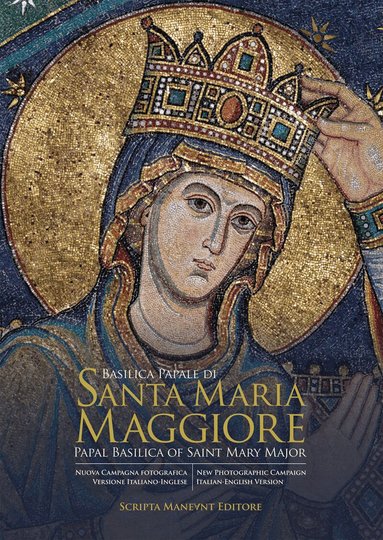

Du kanske också är intresserad av
- Nyhet
Francis Bacon Collection
Fernando Castro Flores, Umberto Guerini, Edward Lucie-Smith, Maurizio Seracini, Ambra Draghetti, Dino Cura
Inbunden, 2026
849 kr