
Del i serien Bloomsbury Visual Arts
Bad Corset
A Feminist Reimagining
Inbunden, Engelska, 2024
1 779 kr
Beställningsvara. Skickas inom 5-8 vardagar. Fri frakt för medlemmar vid köp för minst 249 kr.
Finns i fler format (1)
Both a translation and critique of an early 20th century seminal French text on the physical effects of corseting, The Bad Corset explores contemporary anti-woman bias to challenge the commonly accepted assertions about corsetry’s contribution to disease, disfigurement, and disorders of the female body.The original 1908 French book, Le Corset by Ludovic O'Followell—with its graphic illustrations, some of which are reproduced here—tells a story, familiar to anyone interested in popular culture and fashion history, of women suffering for fashion, tormented by and subject to their corsets. However, a close reading of the texts tells a very different, and more complicated, story.This fascinating exploration, approaching the topic from a scientific perspective, and reproducing facsimiles of the original text, with translations and annotations, critiques the presumptions and anxieties of male medical professionals on the ‘damage’ caused by corsets to the female body and psyche. Rather than seeing the women who wore these perceived instruments of torture as victims or dupes, The Bad Corset confidently asserts the agency of the women who wore them and highlights the way in which seminal texts can continue to influence our interpretation of the past, and women’s lives and histories.The Bad Corset is a remarkable resource for scholars and students of fashion, medicine and gender history, taking a feminist approach to female agency and choice, and helping us reconsider the way we think about the shaping of women’s bodies, and their lives.
Produktinformation
- Utgivningsdatum2024-10-31
- Mått192 x 248 x 22 mm
- Vikt956 g
- FormatInbunden
- SpråkEngelska
- SerieBloomsbury Visual Arts
- Antal sidor272
- FörlagBloomsbury Publishing PLC
- ISBN9781350295193
Tillhör följande kategorier
Hoppa över listan


Mer från samma författare
Where to Watch Wildlife in Britain
Megan Shersby, Heather Devey, Rebecca Gibson, Dan Rouse
Häftad, 2026
319 kr
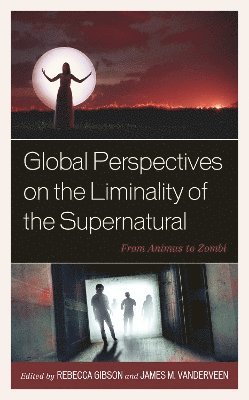
Global Perspectives on the Liminality of the Supernatural
Rebecca Gibson, James M. VanderVeen
Inbunden, 2022
1 459 kr
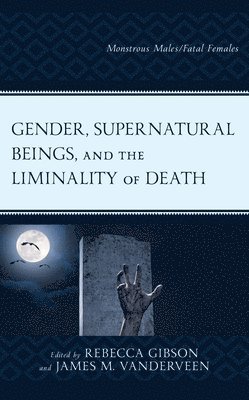
Gender, Supernatural Beings, and the Liminality of Death
Rebecca Gibson, James M. VanderVeen
Inbunden, 2021
1 549 kr
Gender, Supernatural Beings, and the Liminality of Death
Rebecca Gibson, James M. VanderVeen
Häftad, 2023
589 kr
Hoppa över listan

Mer från samma serie
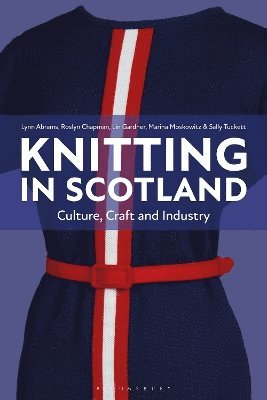
Knitting in Scotland
Lynn Abrams, Sally Tuckett, Marina Moskowitz, Roslyn Chapman, Lin Gardner
Inbunden, 2026
1 589 kr
Hoppa över listan
Du kanske också är intresserad av
Where to Watch Wildlife in Britain
Megan Shersby, Heather Devey, Rebecca Gibson, Dan Rouse
Häftad, 2026
319 kr
Gender, Supernatural Beings, and the Liminality of Death
Rebecca Gibson, James M. VanderVeen
Inbunden, 2021
1 549 kr
Global Perspectives on the Liminality of the Supernatural
Rebecca Gibson, James M. VanderVeen
Inbunden, 2022
1 459 kr
Gender, Supernatural Beings, and the Liminality of Death
Rebecca Gibson, James M. VanderVeen
Häftad, 2023
589 kr