
Attachment across the Lifecourse
A Brief Introduction
Inbunden, Engelska, 2023
1 679 kr
Beställningsvara. Skickas inom 10-15 vardagar. Fri frakt för medlemmar vid köp för minst 249 kr.
Finns i fler format (1)
This thought-provoking and illuminating guide will be a helpful companion for students and professionals across the fields of psychology, counselling, social work, and health.It explains the key concepts and describes how the main attachment types play out both in childhood and later life, and it identifies some of the intriguing questions being explored by research, such as: 'What part do individuals' attachment histories play in adult relationships?' and 'What scope is there for attachment styles established in infancy to change later in life?'Part I introduces the reader to the key conceptual components of modern attachment theory. Part II then covers the four main attachment patterns (secure, avoidant, ambivalent, and disorganised) that have been identified by attachment researchers. Each pattern is explored and examined as it plays out across the life course. The mental health, physical health and relationship issues associated with each pattern are also considered. Part III takes a step back and acknowledges some of the unresolved questions and controversies that continue to stimulate the theory.The second edition features a brand new chapter which considers the application of attachment theory across various settings, including forensic settings, child protection practice, and parenting interventions.
Produktinformation
- Utgivningsdatum2023-08-24
- Mått164 x 238 x 22 mm
- Vikt620 g
- FormatInbunden
- SpråkEngelska
- Antal sidor320
- Upplaga2
- FörlagBloomsbury Publishing PLC
- ISBN9781350337756
Tillhör följande kategorier
Hoppa över listan

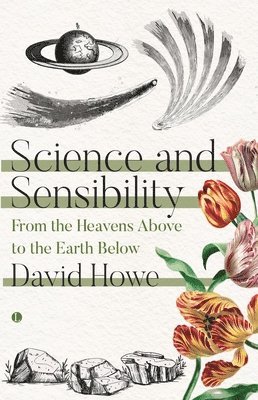
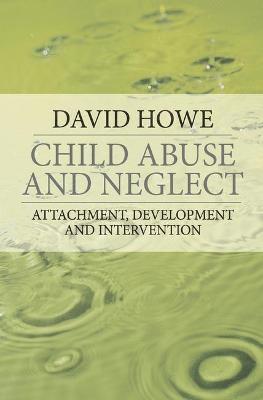
Mer från samma författare
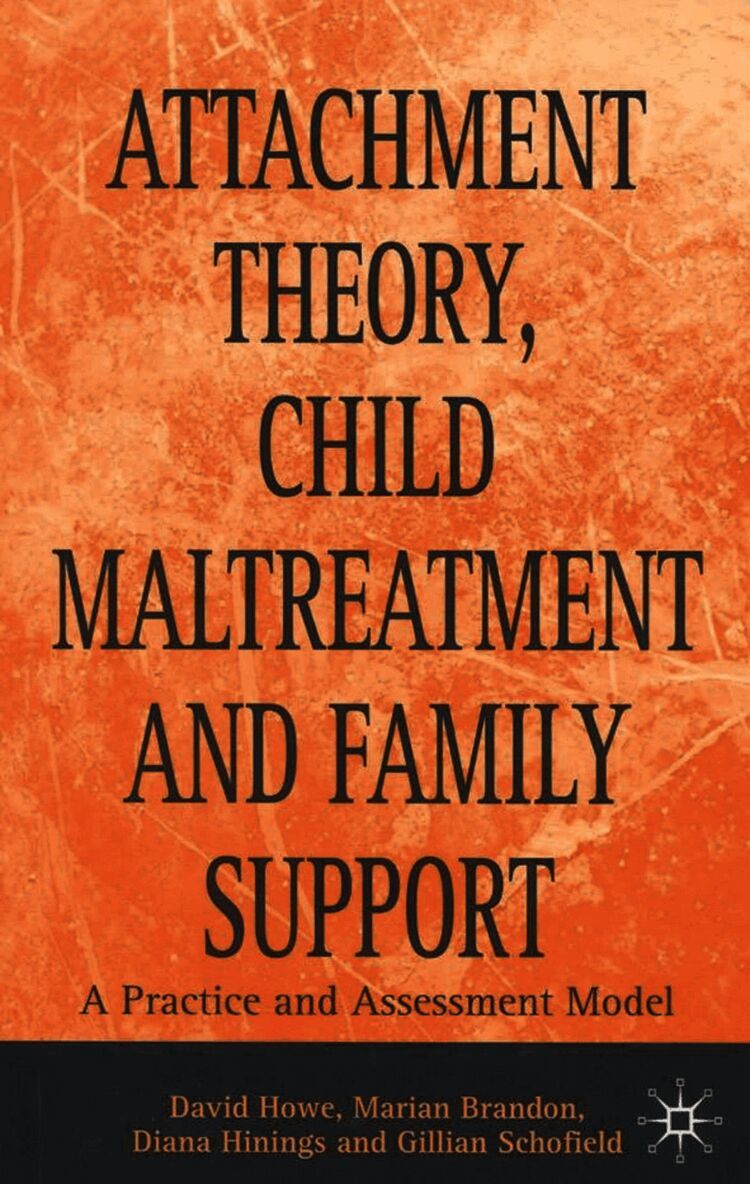
Attachment Theory, Child Maltreatment and Family Support
David Howe, Marian Brandon, Gillian Schofield, Diana Hinings
Häftad, 1999
759 kr
Hoppa över listan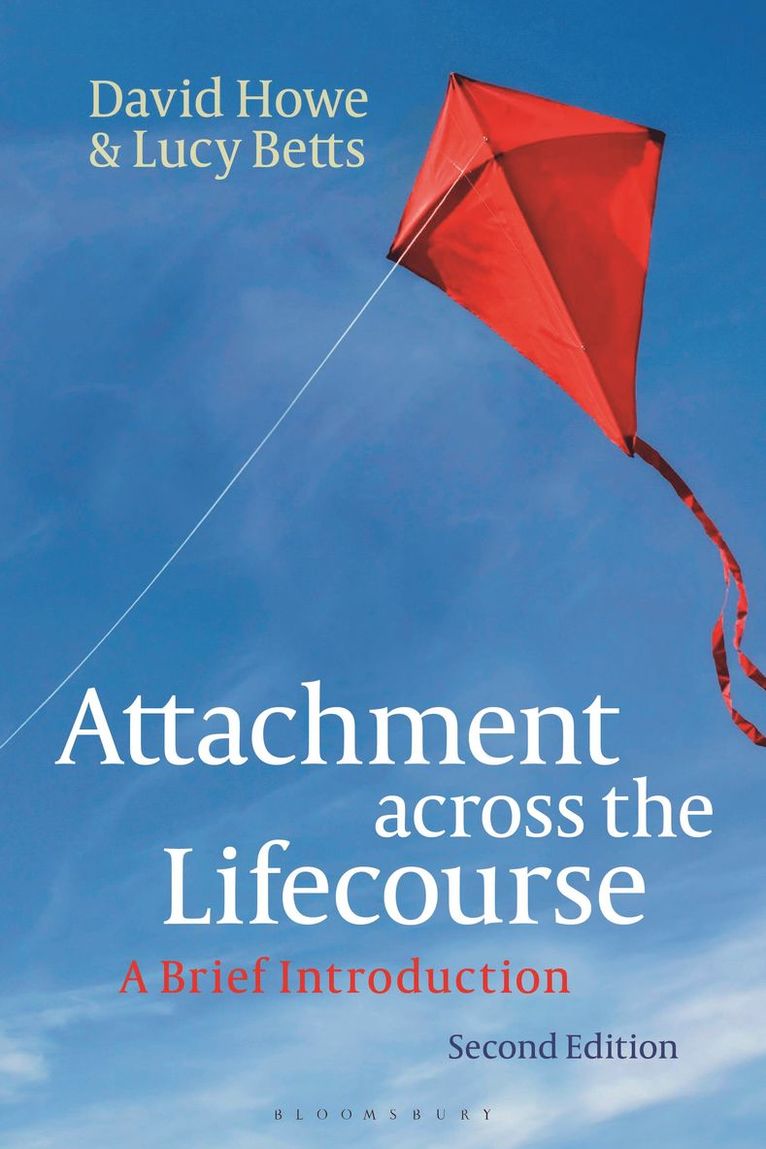
Du kanske också är intresserad av
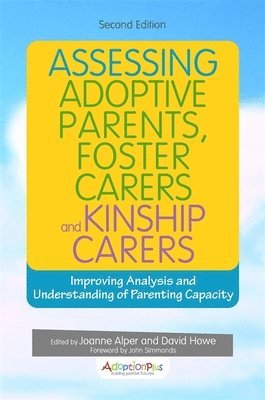
Assessing Adoptive Parents, Foster Carers and Kinship Carers, Second Edition
Joanne Alper, David Howe
Häftad, 2016
679 kr
Attachment Theory, Child Maltreatment and Family Support
David Howe, Marian Brandon, Gillian Schofield, Diana Hinings
Häftad, 1999
759 kr