
Brief Introduction to Social Work Theory
Inbunden, Engelska, 2024
1 629 kr
Beställningsvara. Skickas inom 10-15 vardagar. Fri frakt för medlemmar vid köp för minst 249 kr.
Finns i fler format (1)
As a social worker, you must make sense of complex situations and determine the needs of various individuals. As star constellations offer a guide by which to navigate, social work theories offer ways to make sense of practice. Tackling the major theories used within social work, this book gives a concise and engaging overview of how practice is influenced by each approach described. The book outlines the origins and historical context of social work, which allows the reader to see how theoretical fashions have changed and adapted to certain times, and offers advice on the best way forward for the modern-day social worker. Packed with thought-provoking case studies and reflective questions on each topic, readers will be encouraged to question the theories outlined – a skill crucial to being a truly effective social work practitioner. The book is ideal for quick reference in lectures, on placement or in practice. Whether you’re a student, a newly qualified social worker or a ‘seasoned’ professional, you will return to this indispensable text time and time again.A Brief Introduction to Social Work Theory is also available in audiobook format from audiobook retailers.
Produktinformation
- Utgivningsdatum2024-02-22
- Mått156 x 238 x 20 mm
- Vikt560 g
- FormatInbunden
- SpråkEngelska
- Antal sidor272
- Upplaga2
- FörlagBloomsbury Publishing PLC
- ISBN9781350303706
Tillhör följande kategorier
Hoppa över listan







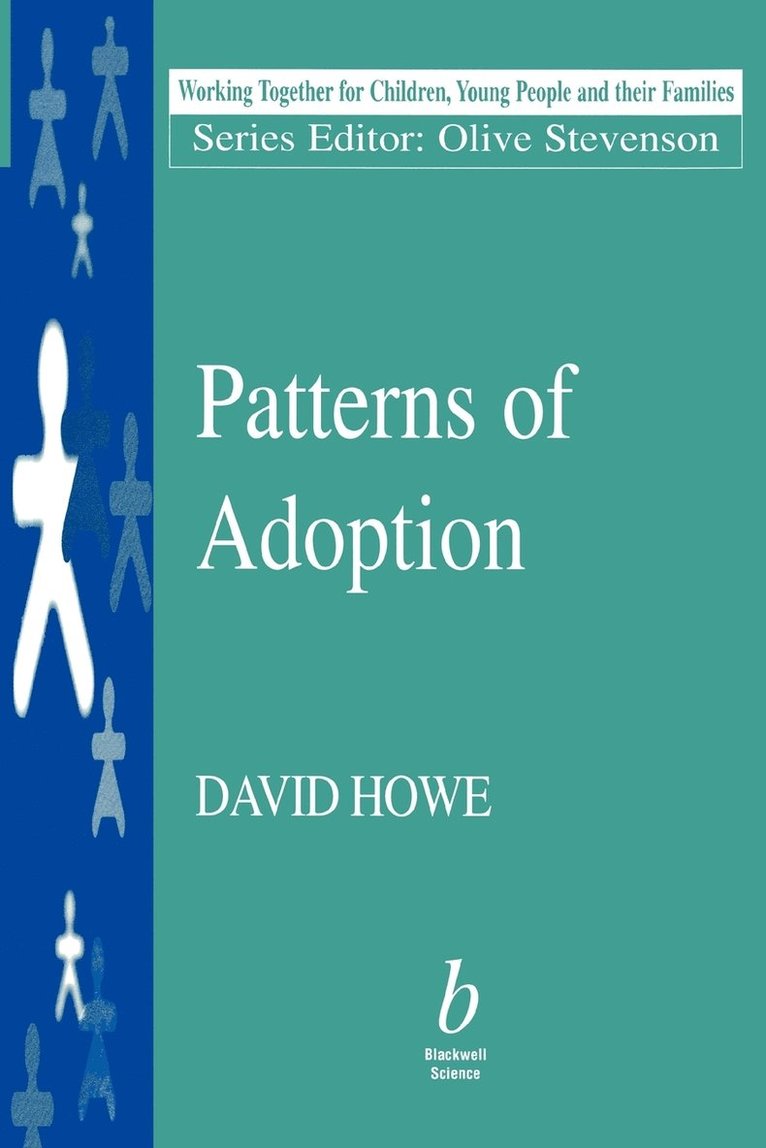

Mer från samma författare
Attachment Theory, Child Maltreatment and Family Support
David Howe, Marian Brandon, Gillian Schofield, Diana Hinings
Häftad, 1999
759 kr
Hoppa över listan






Du kanske också är intresserad av
Attachment Theory, Child Maltreatment and Family Support
David Howe, Marian Brandon, Gillian Schofield, Diana Hinings
Häftad, 1999
759 kr