
Del i serien Routledge Research in Art and Politics
Art and Capitalism
- Nyhet
A Contemporary Perspective
Inbunden, Engelska, 2026
3 309 kr
Beställningsvara. Skickas inom 10-15 vardagar. Fri frakt för medlemmar vid köp för minst 249 kr.
A central tenet of capitalism is the production of commodities to create profit (money); as such, the logical starting place for this collection is the relationship of art to these foundational elements of capitalism. However, as the contributions to the volume reveal, capitalism encompasses more than just an economic system in which art is bought and sold alongside other goods.This volume approaches the subject of art and capitalism thematically through five distinct parts: Art Markets, Money and Myths; Work, Labour and the Artist; Capitalist Technologies; Spaces of Art and Capital: Institutions and Beyond; and Crisis, Contestation and Critique. This thematic approach avoids presenting a definitive linear historical narrative of art and capitalism, allowing for an expanded and diverse approach to scholarship that addresses the relationship between the two since the advent of modernity. The volume presents multiple perspectives on capitalism in conversation with one another, including race, gender, class and global/geographical inequality.The book will be of interest to scholars working in art history, fine art, museum studies, curatorial studies, politics and visual culture.
Produktinformation
- Utgivningsdatum2026-08-23
- Mått174 x 246 x 24 mm
- Vikt800 g
- FormatInbunden
- SpråkEngelska
- SerieRoutledge Research in Art and Politics
- Antal sidor334
- FörlagTaylor & Francis Ltd
- ISBN9780367689292
Tillhör följande kategorier
Hoppa över listan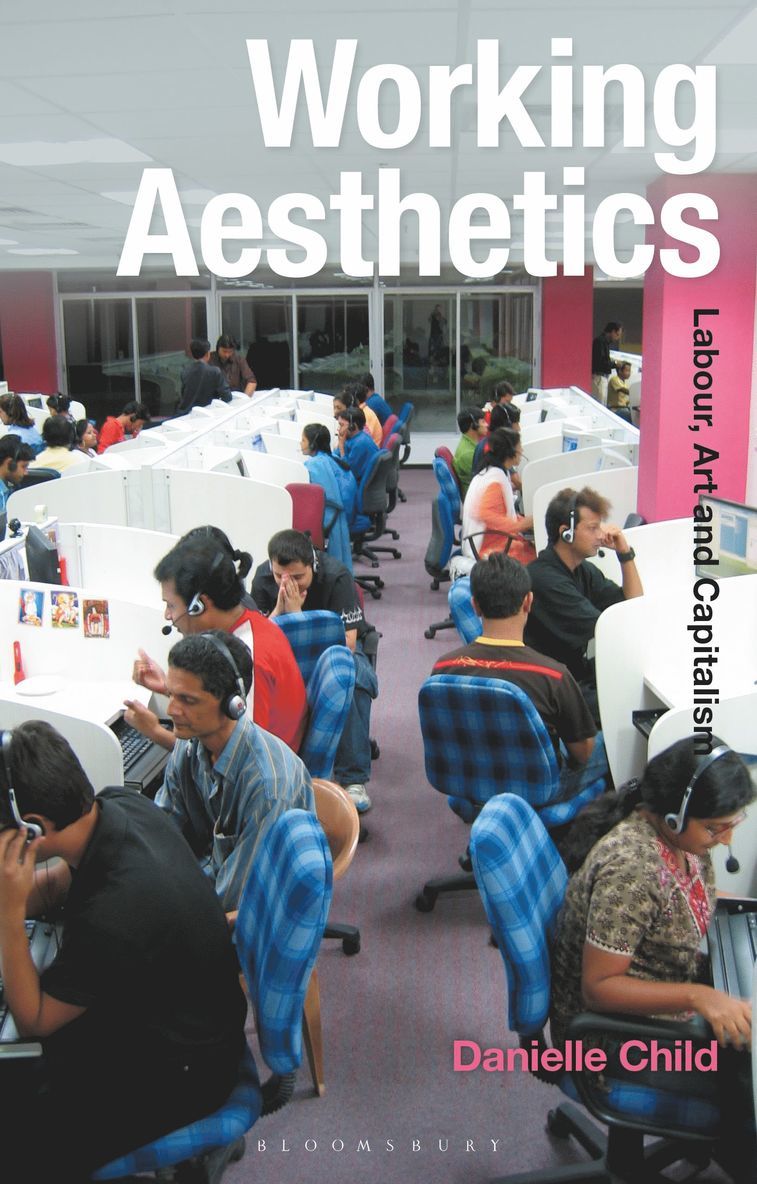

Du kanske också är intresserad av
- Nyhet
Del 11
Politics and Heidegger’s Concept of Thinking in Contemporary Art
Louise Carrie Wales
Inbunden, 2021
3 219 kr
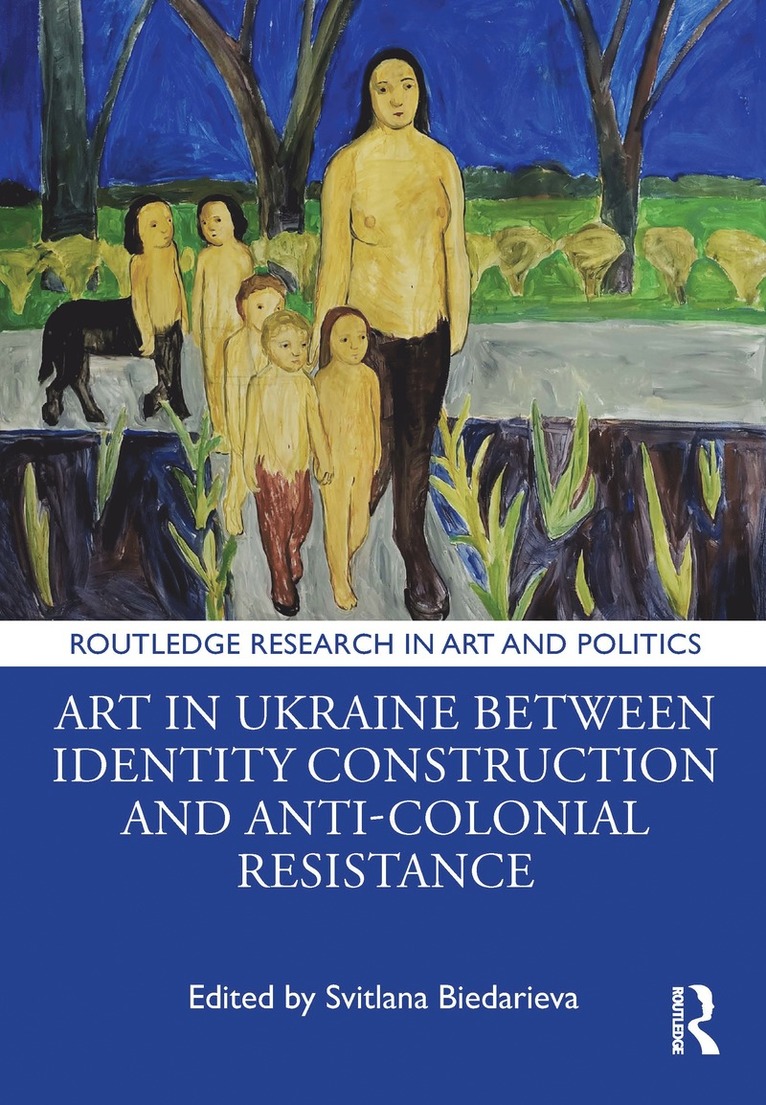
Art in Ukraine Between Identity Construction and Anti-Colonial Resistance
Svitlana Biedarieva
Inbunden, 2024
3 309 kr