
Del i serien Routledge Studies in Translation Technology
Advances in Techno-Humanities
Case Studies from Culture, Philosophy and the Arts
Häftad, Engelska, 2025
859 kr
Beställningsvara. Skickas inom 10-15 vardagar. Fri frakt för medlemmar vid köp för minst 249 kr.
This book is a pioneering attempt to explore the relationships between technology and the humanities through case studies and specific contexts in the areas of language, theatre, literature, translation, philosophy, music, home designations, learning environment, and artificial intelligence. Written by scholars and specialists across various fields, the chapters explore the emerging field of techno-humanities. This book examines the development of language and society by means of Big Data, how technology is integrated into the theatres of Hong Kong and the ensuing results of such integration. The authors also highlight how technology is able to analyse, understand, and visualise literary works and to bring drastic changes to translation in the past seven decades. Long-standing philosophical issues are re-examined, linkages between technology and theoretical concepts are illuminated, and the emotional aspects of computational applications are investigated. This book also delves into insightful case studies such as providing suggestions to train novice translators through corpus-assisted translation teaching, analysing patterns of housing names, and discovering a new online method to acknowledge acquisition through authentic learning experiences. Overall, this book serves as a point of departure for us to go deeper into the role of technology in transforming the humanities in this digital age.This is a useful read for students and scholars interested in learning more about the cross section between humanities and technology.
Produktinformation
- Utgivningsdatum2025-01-30
- Mått156 x 234 x 10 mm
- Vikt310 g
- FormatHäftad
- SpråkEngelska
- SerieRoutledge Studies in Translation Technology
- Antal sidor156
- FörlagTaylor & Francis Ltd
- ISBN9781032453323
Tillhör följande kategorier
Hoppa över listan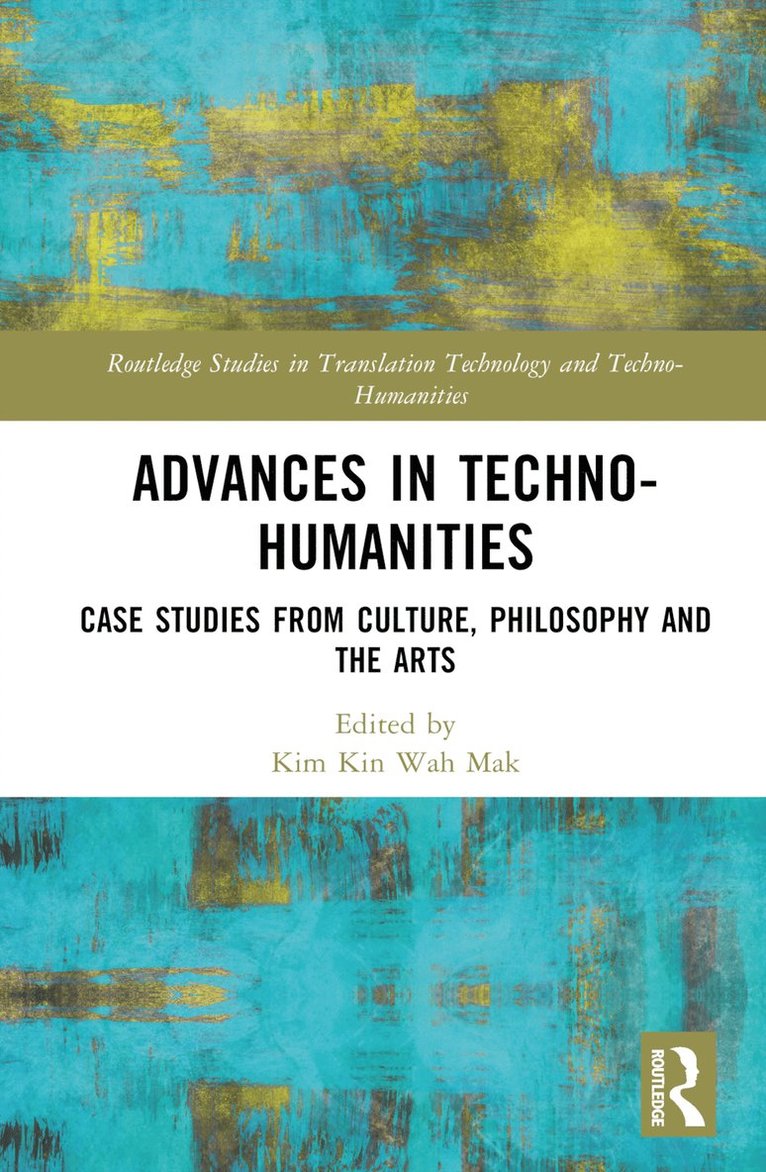

Du kanske också är intresserad av
Routledge Encyclopedia of Technology and the Humanities
Chan Sin-wai, Mak Kin-wah, Leung Sze Ming
Häftad, 2025
1 049 kr
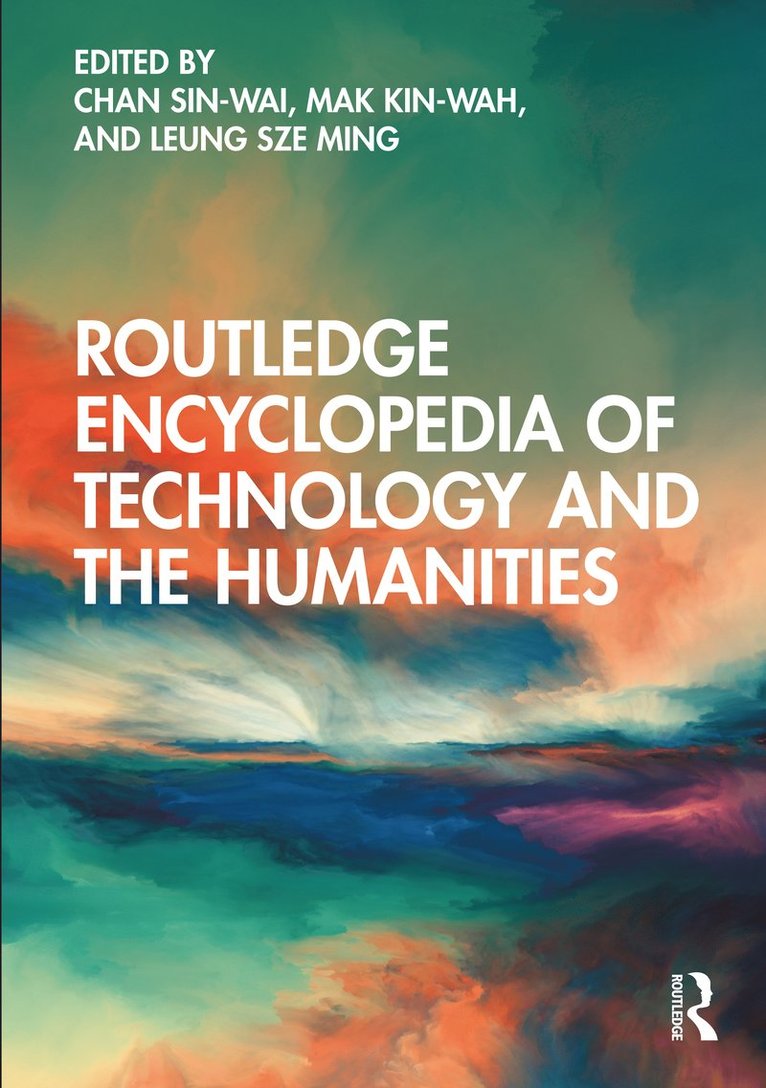
Routledge Encyclopedia of Technology and the Humanities
Chan Sin-wai, Mak Kin-wah, Leung Sze Ming
Inbunden, 2024
4 999 kr
Translation Studies in the Age of Artificial Intelligence
Sanjun Sun, Kanglong Liu, Riccardo Moratto
Inbunden, 2025
3 309 kr