
Del i serien Early Childhood Education Series
Young Investigators
The Project Approach in the Early Years
Inbunden, Engelska, 2023
1 799 kr
Beställningsvara. Skickas inom 11-20 vardagar. Fri frakt för medlemmar vid köp för minst 249 kr.
Finns i fler format (1)
Young Investigators has been expanded to guide today's teachers through the process of conducting meaningful investigations with young children. This fourth edition of the bestseller begins with a new chapter, "How Children Really Learn," which summarizes insights from mind-brain education research, showing how experiences firmly rooted in children's curiosity and interest build intellectual capacity. The book then introduces the Project Approach with step-by-step guidance for incorporating child initiation and direction into curriculum while simultaneously addressing content standards. A new focus on critical Teacher Decision Points uses fresh-from-the-classroom examples to show how teachers think through project work. The emphasis on STEM experiences has been expanded to include STEAM through a new chapter, "The Role of Project Work in the Arts." This book makes project-based learning possible with the youngest children (toddlers through 2nd grade) who are not yet proficient in reading and writing, but capable of deep, focused thinking. Throughout, readers empathize with teachers' concerns, witness how they find solutions to challenges, and feel the excitement of children during project work. Young Investigators is appropriate for teachers new to using the Project Approach, as well as for those who already have experience.Book Features:Examples of projects from child care centers and preschool, K–2, and special education classrooms.Instructions for incorporating standards and STEAM skills into project work.A variety of experiences to help children connect to the natural world. Toddler projects that reflect knowledge from recent mind-brain research.Tools for integrating required curriculum goals and for assessing achievement.A Teacher Project Planning Journal that leads teachers through the major decision points of project work.Full-color photographs of children engaged with projects. A study guide for pre- and inservice teachers (available at www.tcpress.com).
Produktinformation
- Utgivningsdatum2023-06-23
- Mått152 x 229 x 18 mm
- Vikt272 g
- FormatInbunden
- SpråkEngelska
- SerieEarly Childhood Education Series
- Antal sidor240
- Upplaga4
- FörlagTeachers' College Press
- ISBN9780807767979
Tillhör följande kategorier
Hoppa över listan
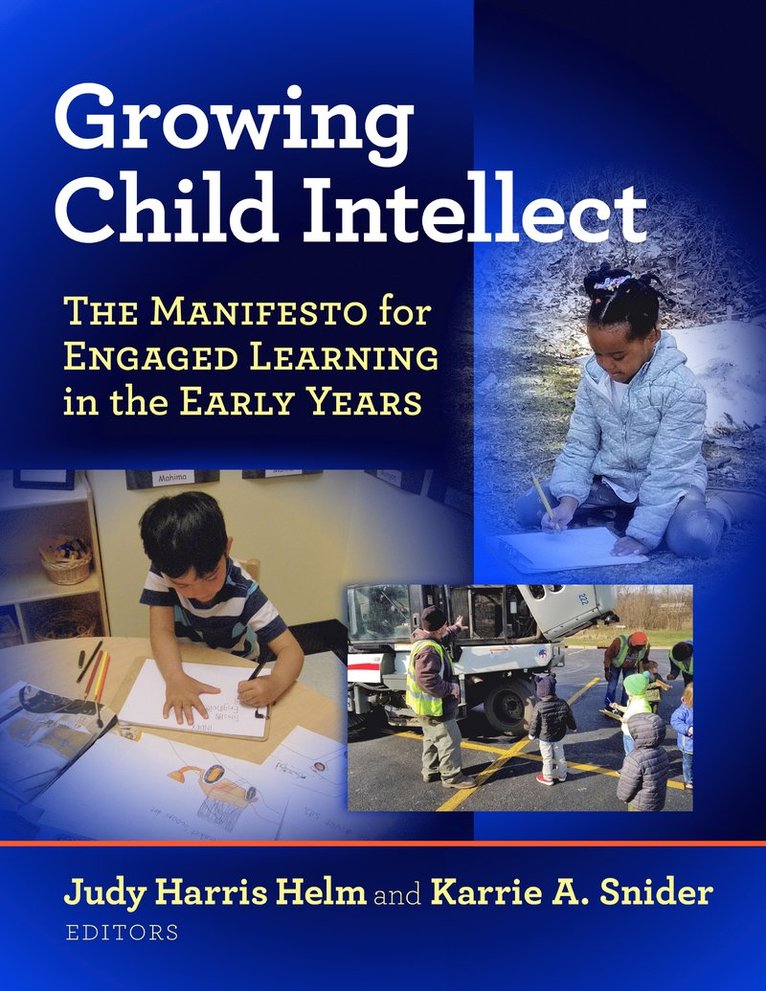
Mer från samma författare
Windows on Learning
Judy Harris Helm, Sallee Beneke, Kathy Steinheimer, Leslie R Williams
Häftad, 2007
459 kr
Hoppa över listan
Mer från samma serie
Developing Constructivist Early Childhood Curriculum
Rheta DeVries, Betty Zan, Carolyn Hildebrandt, Rebecca Edmiaston, Leslie R Williams
Häftad, 2001
449 kr
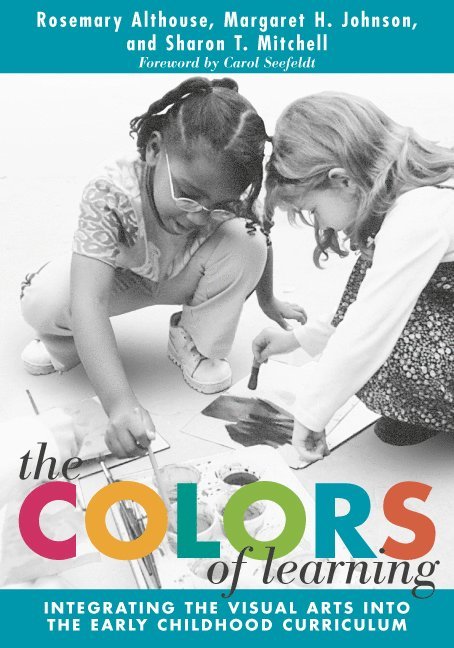
Colors of Learning
Rosemary Althouse, Margaret H. Johnson, Sharon T. Mitchell, Leslie R Williams
Häftad, 2002
429 kr
Hoppa över listan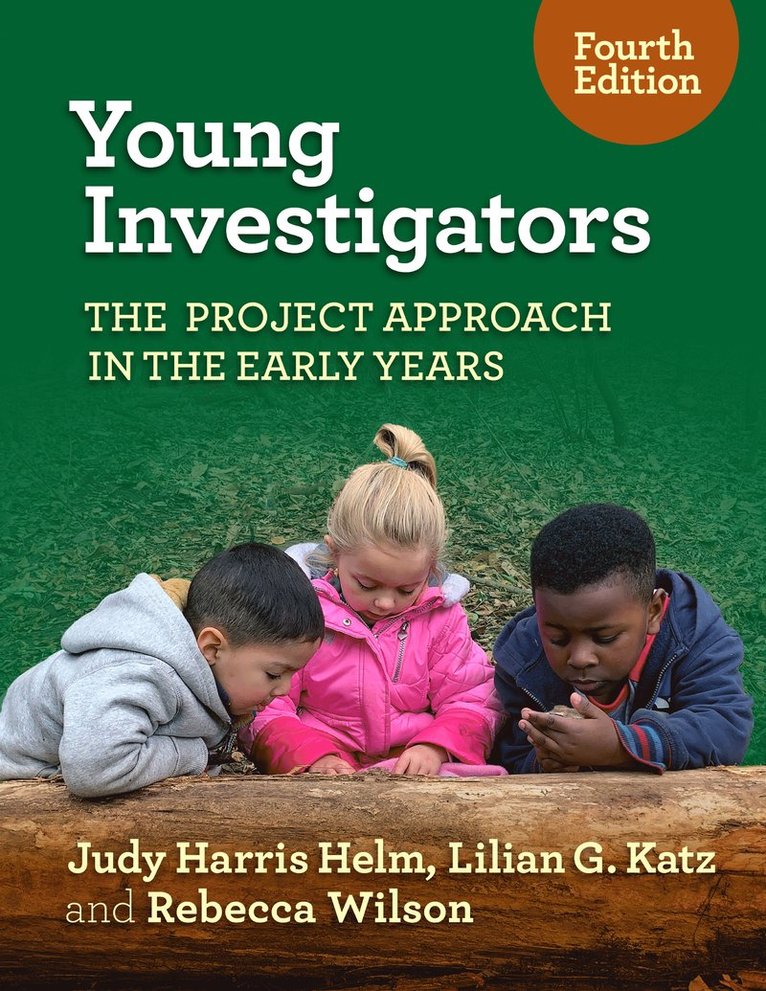
Du kanske också är intresserad av
Current Topics in Early Childhood Education, Volume 7
Lilian G. Katz, Lilian G. Katz
Inbunden, 1987
1 049 kr
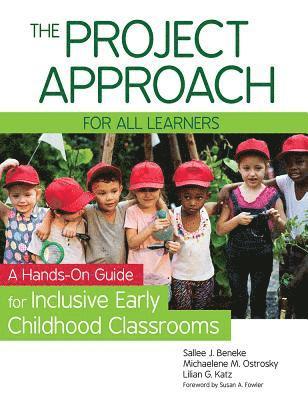
Project Approach for All Learners
Sallee J. Beneke, Michaelene M. Ostrosky, Lilian G. Katz
Häftad, 2018
549 kr
Windows on Learning
Judy Harris Helm, Sallee Beneke, Kathy Steinheimer, Leslie R Williams
Häftad, 2007
459 kr