
- Nyhet
Work of Karlheinz Stockhausen Volume 1
- Nyhet
Serial Music
Inbunden, Engelska, 2026
3 309 kr
Beställningsvara. Skickas inom 10-15 vardagar. Fri frakt för medlemmar vid köp för minst 249 kr.
This three-volume work is the most comprehensive study ever undertaken, of the musical compositions of Karlheinz Stockhausen (1928–2007), one of the major figures of Post-World War II classical music in Europe. Stockhausen’s impact on global music-making was huge and he has been influential for a wide range of music makers in classical music and on music creators in various popular music traditions. Flo Menezes provides both in-depth analytical studies of Stockhausen’s works from his entire career and also places these into broader cultural, technological, and political contexts. The three volumes address the three most fundamental phases of Stockhausen's work: Serial Music, Intuitive Music, and Music by Formulas.
Produktinformation
- Utgivningsdatum2026-07-31
- Mått156 x 234 x 19 mm
- Vikt620 g
- FormatInbunden
- SpråkEngelska
- SerieAshgate Studies in Theory and Analysis of Music After 1900
- Antal sidor302
- FörlagTaylor & Francis Ltd
- ISBN9781032547121
Tillhör följande kategorier
Hoppa över listan







Mer från samma serie
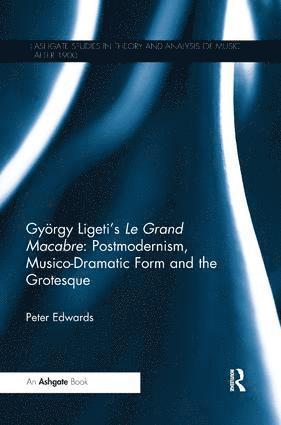
György Ligeti's Le Grand Macabre: Postmodernism, Musico-Dramatic Form and the Grotesque
Peter Edwards
Häftad, 2019
929 kr
Musical Thought and Spiritual Lives of Heinrich Schenker and Arnold Schoenberg
Matthew Arndt
Häftad, 2019
899 kr
Hoppa över listan



Du kanske också är intresserad av
- Nyhet
- Nyhet
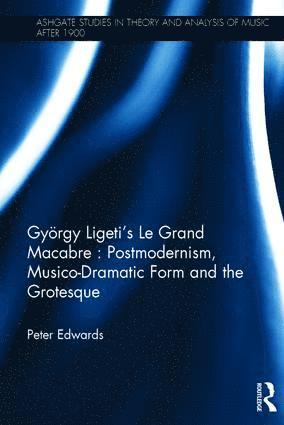
György Ligeti's Le Grand Macabre: Postmodernism, Musico-Dramatic Form and the Grotesque
Peter Edwards
Häftad, 2019
929 kr
György Ligeti's Le Grand Macabre: Postmodernism, Musico-Dramatic Form and the Grotesque
Peter Edwards
Inbunden, 2016
3 619 kr
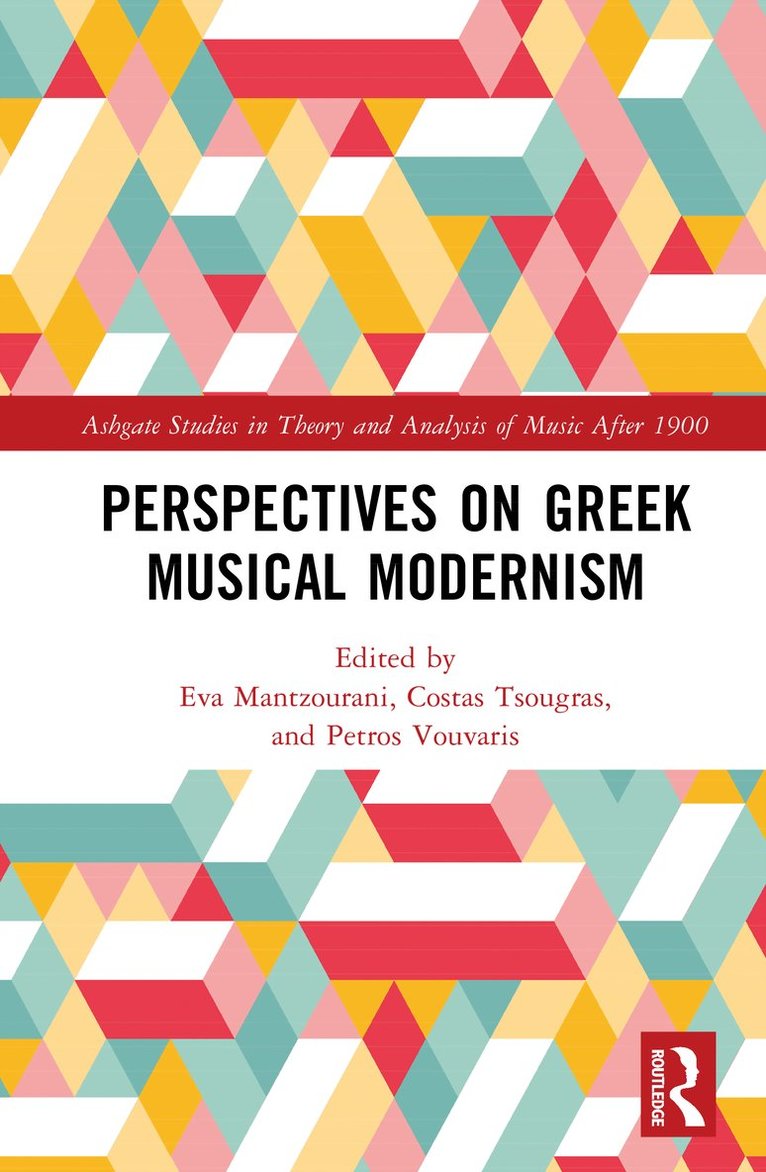
Perspectives on Greek Musical Modernism
Eva Mantzourani, Costas Tsougras, Petros Vouvaris
Inbunden, 2025
3 309 kr