
Windows into Men's Souls
Religious Nonconformity in Tudor and Early Stuart England
Inbunden, Engelska, 2012
1 819 kr
Beställningsvara. Skickas inom 10-15 vardagar. Fri frakt för medlemmar vid köp för minst 249 kr.
Windows into Men’s Souls uses the works of John Robinson, Thomas Helwys, and John Smyth to examine the concept of religious nonconformity that was inherent in the English Reformation. Kenneth Campbell frames the primary works and historical development of various groups and individuals as examples of a general impulse toward religious nonconformity during the sixteenth and early seventeenth centuries. During this time, religious nonconformity became an integral part of English culture and society, shaped by a historical experience that led to rebellion and civil war. The issues that English thinkers wrestled with during this period led to profound insights on both Christianity and on religious toleration that continue to shape Anglo-American and Western religious culture to the present day. This is the story of courageous people—Catholics and Protestants, Separatists and non-Separatists—who ignored, defied, or challenged their government to pursue their own version of religious truth in an age of religious intolerance that valued conformity at all costs.
Produktinformation
- Utgivningsdatum2012-08-17
- Mått160 x 235 x 24 mm
- Vikt526 g
- FormatInbunden
- SpråkEngelska
- Antal sidor236
- FörlagBloomsbury Publishing Plc
- ISBN9780739168196
Tillhör följande kategorier
Hoppa över listan



Mer från samma författare
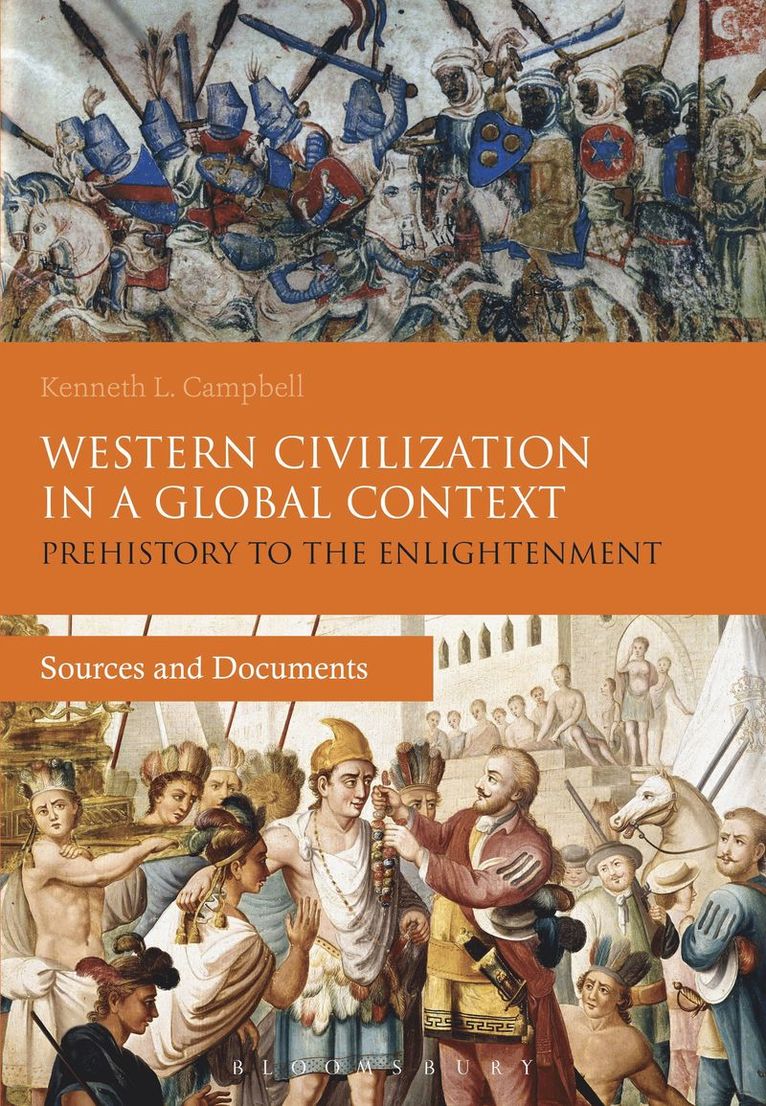
Western Civilization in a Global Context: Prehistory to the Enlightenment
Kenneth L. Campbell
Inbunden, 2015
3 169 kr
Hoppa över listan

Du kanske också är intresserad av
Western Civilization in a Global Context: Prehistory to the Enlightenment
Kenneth L. Campbell
Inbunden, 2015
3 169 kr
Western Civilization in a Global Context: Prehistory to the Enlightenment
Kenneth L. Campbell
Häftad, 2015
849 kr