
Del i serien Routledge Cultural Heritage and Tourism Series
Waterways and the Cultural Landscape
Häftad, Engelska, 2019
949 kr
Beställningsvara. Skickas inom 10-15 vardagar. Fri frakt för medlemmar vid köp för minst 249 kr.
Water control and management have been fundamental to the building of human civilisation. In Europe, the regulation of major rivers, the digging of canals and the wetland reclamation schemes from the sixteenth to nineteenth centuries, generated new typologies of waterscapes with significant implications for the people who resided within them.This book explores the role of waterways as a form of heritage, culture and sense of place and the potential of this to underpin the development of cultural tourism. With a multidisciplinary approach across the social sciences and humanities, chapters explore how the control and management of water flows are among some of the most significant human activities to transform the natural environment. Based upon a wealth and breadth of European case studies, the book uncovers the complex relationships we have with waterways, the ways that they have been represented over recent centuries and the ways in which they continue to be redefined in different cultural contexts. Contributions recognise not only valuable assets of hydrology that are at the core of landscape management, but also more intangible aspects that matter to people, such as their familiarity, affecting what is understood as the fluvial sense of place.This highly original collection will be of interest to those working in cultural tourism, cultural geography, heritage studies, cultural history, landscape studies and leisure studies.
Produktinformation
- Utgivningsdatum2019-07-12
- Mått156 x 234 x 21 mm
- Vikt530 g
- FormatHäftad
- SpråkEngelska
- SerieRoutledge Cultural Heritage and Tourism Series
- Antal sidor266
- FörlagTaylor & Francis Ltd
- ISBN9780367362263
Tillhör följande kategorier
Hoppa över listan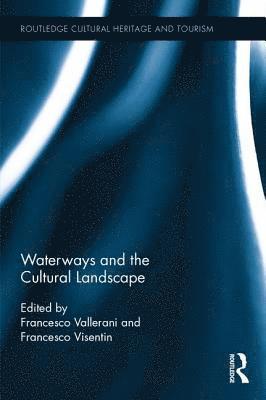



Du kanske också är intresserad av
Religious Heritage and Tourism in South Asia
Dallen J. Timothy, Kiran A. Shinde
Inbunden, 2026
3 209 kr
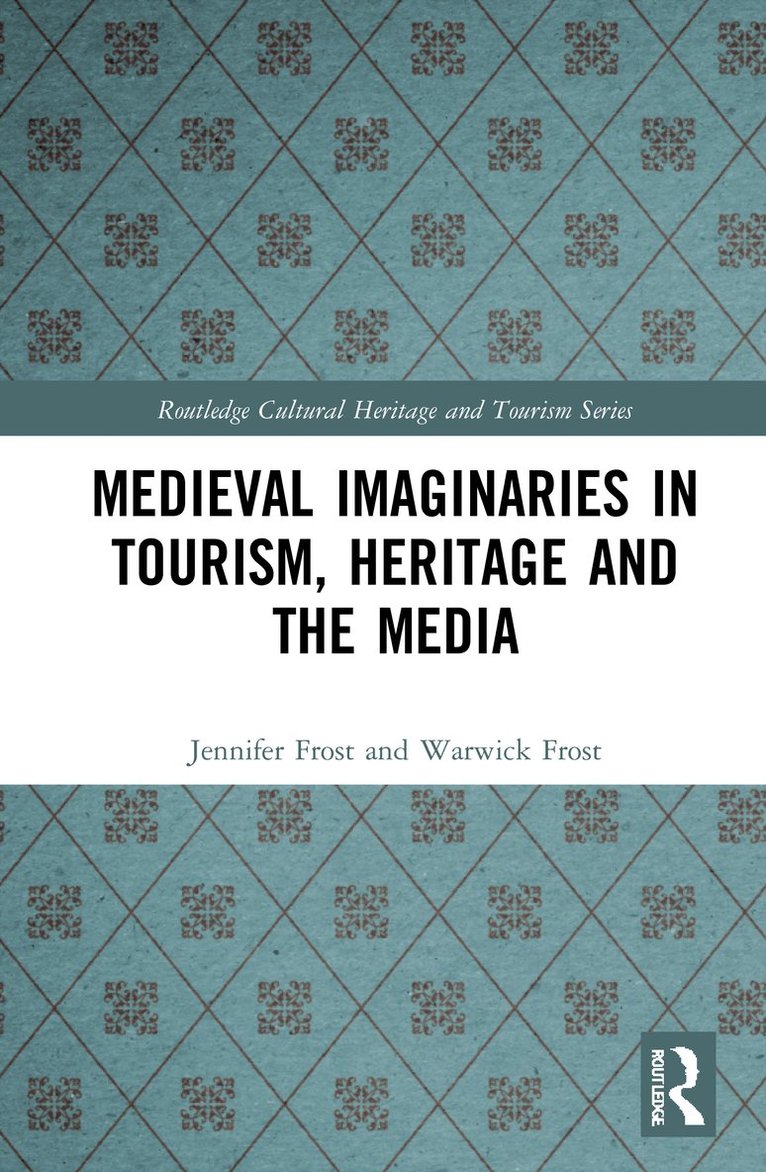
Medieval Imaginaries in Tourism, Heritage and the Media
Jennifer Frost, Warwick Frost
Häftad, 2023
909 kr
Multivocality in World Heritage
Inger Birkeland, Steffen F. Johannessen, Guro Nordby, Benjamin Richards
Inbunden, 2025
3 309 kr
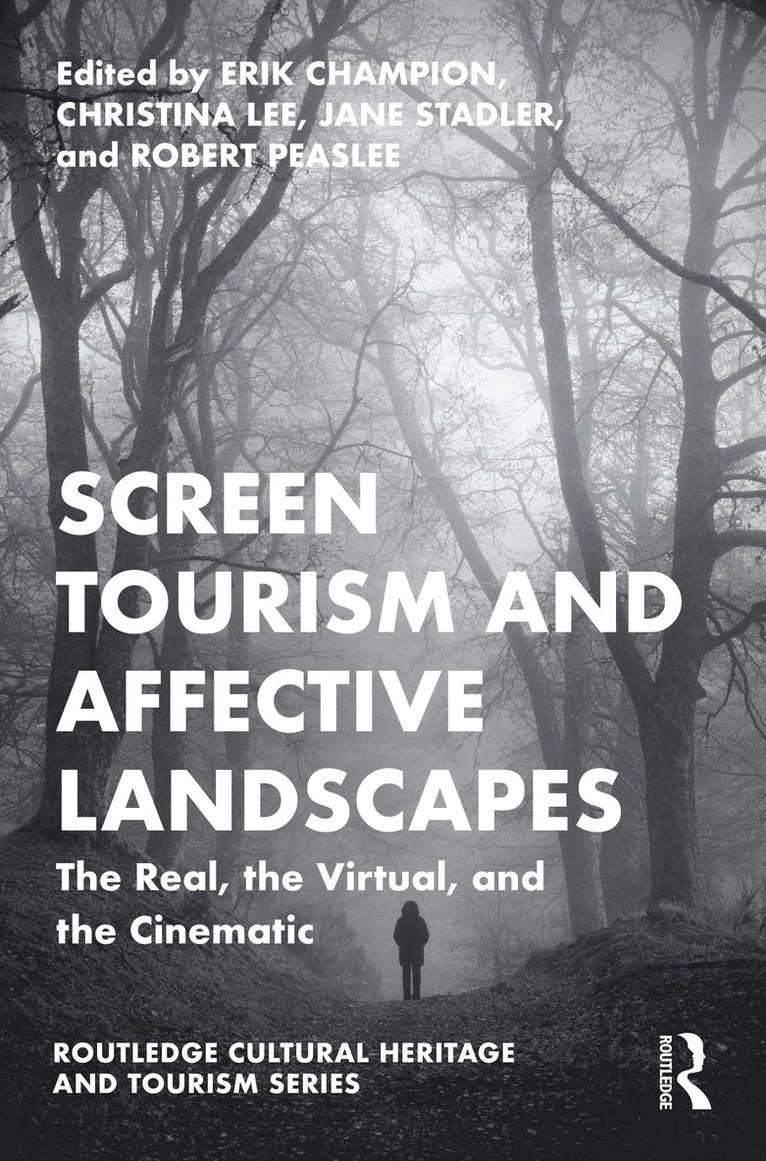
Screen Tourism and Affective Landscapes
Erik Champion, Christina Lee, Jane Stadler, Robert Moses Peaslee
Häftad, 2022
789 kr
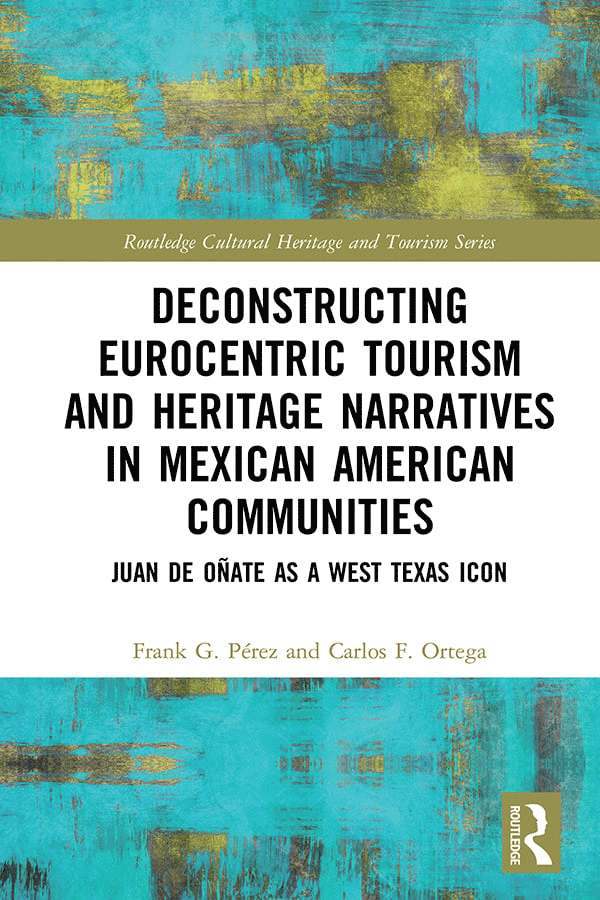
Deconstructing Eurocentric Tourism and Heritage Narratives in Mexican American Communities
Frank G. Perez, Carlos F. Ortega
Inbunden, 2019
3 309 kr