
Vulnerabilities and Viabilities in Tourism Studies
Inbunden, Engelska, 2025
3 309 kr
Beställningsvara. Skickas inom 10-15 vardagar. Fri frakt för medlemmar vid köp för minst 249 kr.
At a time when global events reshape our world, this book confronts the critical challenges and opportunities facing tourism studies. Through diverse perspectives from seasoned scholars across the globe, the chapters in this book examine the field's inherent vulnerabilities while illuminating viable paths forward.This anthology challenges both emerging and established researchers to break free from conventional thinking and explore tourism's untapped potential. Contributors draw from their rich career experiences and varied cultural contexts to:Question traditional tourism practicesNavigate the intersection of tourism with posthuman awarenessIdentify key vulnerabilities in current tourism scholarshipPropose innovative frameworks for future researchMore than a mere academic exercise, this collection serves as a rallying cry for meaningful change in tourism scholarship. By carefully examining both the fragilities and strengths within the field, the authors chart a course toward more robust, sustainable, and thoughtful tourism futures.Perfect for scholars, practitioners, and students alike, this volume offers fresh insights into reimagining tourism's role in our rapidly evolving world. The chapters in this book were originally published as a special issue of Tourism Recreation Research.
Produktinformation
- Utgivningsdatum2025-10-20
- Mått210 x 280 x 16 mm
- Vikt400 g
- FormatInbunden
- SpråkEngelska
- Antal sidor120
- FörlagTaylor & Francis Ltd
- ISBN9781041022572
Tillhör följande kategorier
Hoppa över listan






Du kanske också är intresserad av
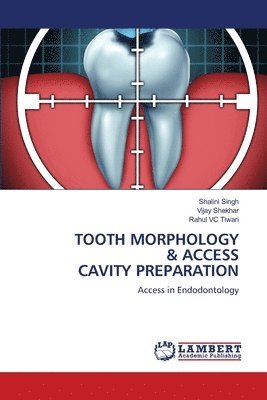
Tooth Morphology & Access Cavity Preparation
Shalini Singh, Vijay Shekhar, Rahul VC Tiwari
Häftad, 2024
639 kr