
Voice of the People?
Political Participation before the Revolutions
Inbunden, Engelska, 2024
3 309 kr
Beställningsvara. Skickas inom 10-15 vardagar. Fri frakt för medlemmar vid köp för minst 249 kr.
Over the last two centuries, Europe has developed various forms of political representation from which democratic parliamentary systems gradually emerged. This book unravels the conditions, scale and impact under which political participation of common burghers and peasants emerged.Political participation in Europe before the Revolutions moved away from the traditional focus on ‘Three Estates’ which has often blurred the interpretation of popular participation’s role in societies. This book instead examines Europe’s key political variants such as high levels of commercialization and urbanization, combined with a balance of powers between competing categories of actors in society controlling relatively independent resources which lead to political participation forming across the continent. Instead of starting from any ideal type of political participation, this book focuses on the variation through time and space, its composition and activity, helps to explain the functions particular institutional settings fulfilled. The time frame 1100–1800 sheds light on the long-term evolutions such as institutional inertia and processes of oligarchizing. To reveal a correlation of economic and demographical growth with the claim of rising social classes to voice their interests. It also points to the opposite tendency: the formation of fiscalmilitary monarchical states.This book is essential reading for those interested in the formation of Europe’s political structures and students of premodern political history.
Produktinformation
- Utgivningsdatum2024-01-31
- Mått156 x 234 x 29 mm
- Vikt800 g
- FormatInbunden
- SpråkEngelska
- Antal sidor440
- FörlagTaylor & Francis Ltd
- ISBN9781032063935
Tillhör följande kategorier
Hoppa över listan


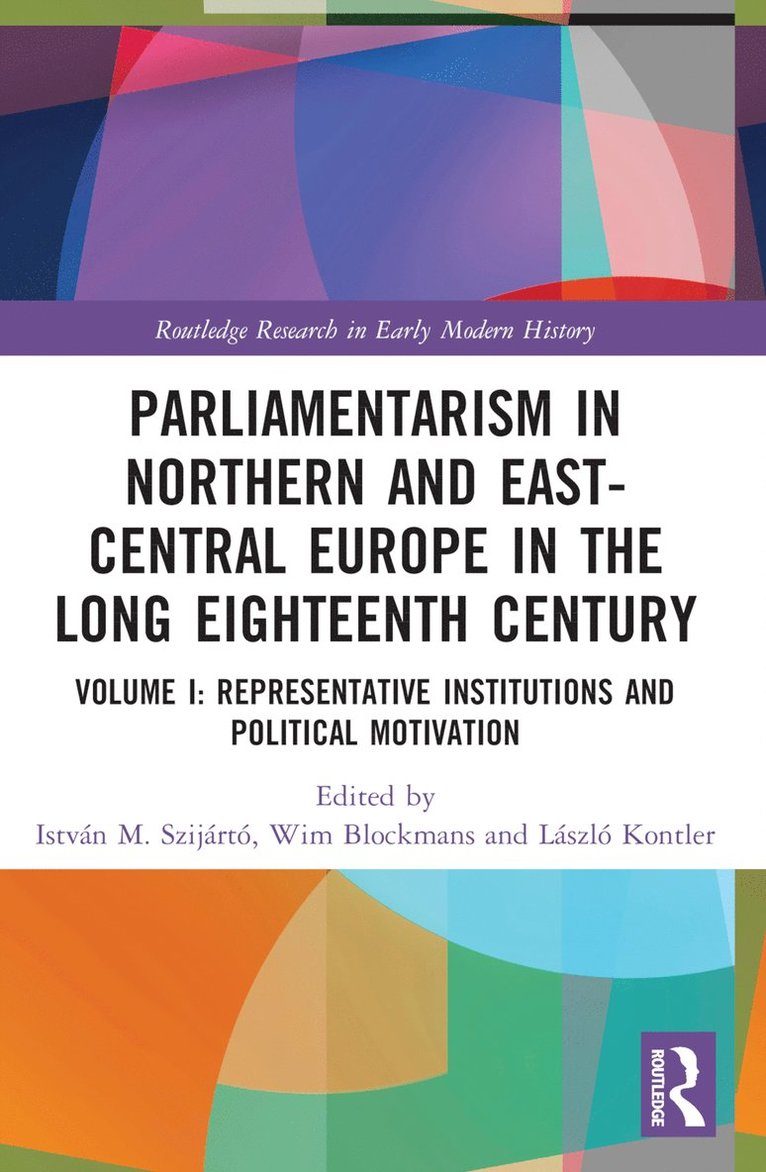
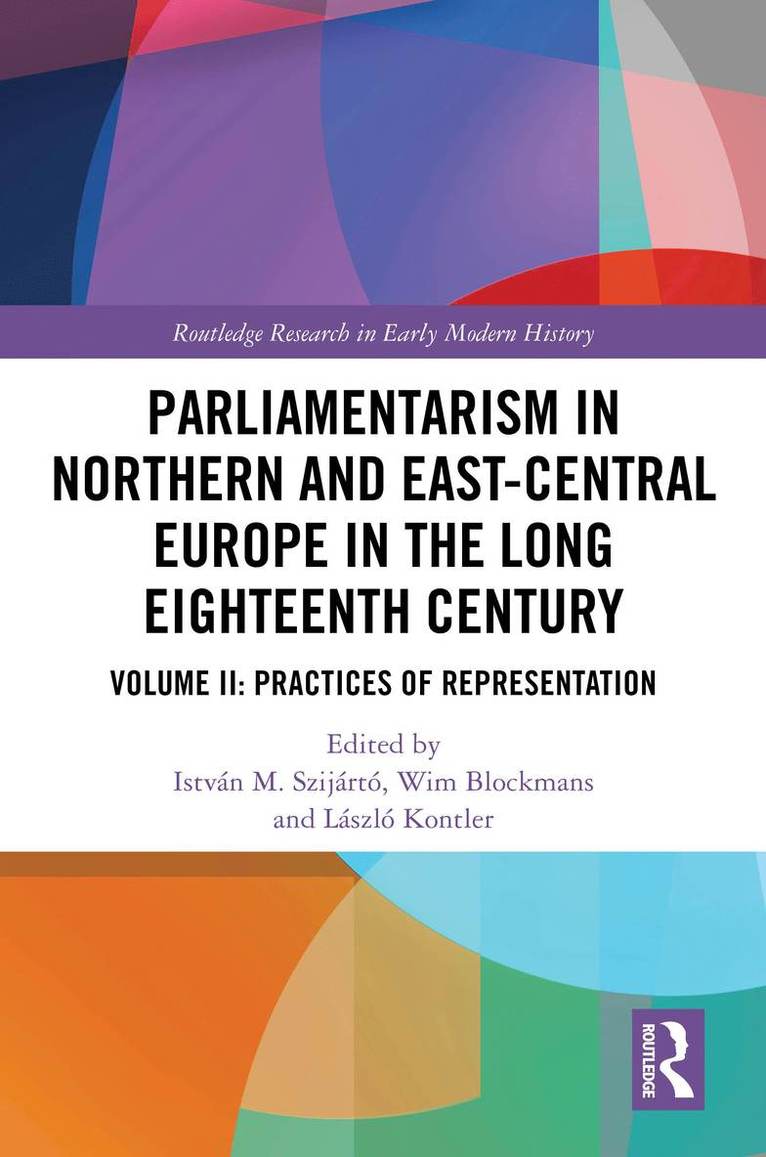
Mer från samma författare
Routledge Handbook of Maritime Trade around Europe 1300-1600
Wim Blockmans, Mikhail Krom, Justyna Wubs-Mrozewicz
Häftad, 2019
1 069 kr
Parliamentarism in Northern and East-Central Europe in the Long Eighteenth Century
István M. Szijártó, Wim Blockmans, László Kontler
Häftad, 2024
829 kr
Parliamentarism in Northern and East-Central Europe in the Long Eighteenth Century
István M. Szijártó, Wim Blockmans, László Kontler
Inbunden, 2022
3 619 kr
Parliamentarism in Northern and East-Central Europe in the Long Eighteenth Century
István M. Szijártó, Wim Blockmans, László Kontler
Inbunden, 2025
3 309 kr
Parliamentarism in Northern and East-Central Europe in the Long Eighteenth Century
István M. Szijártó, Wim Blockmans, László Kontler
Häftad, 2026
929 kr
Hoppa över listan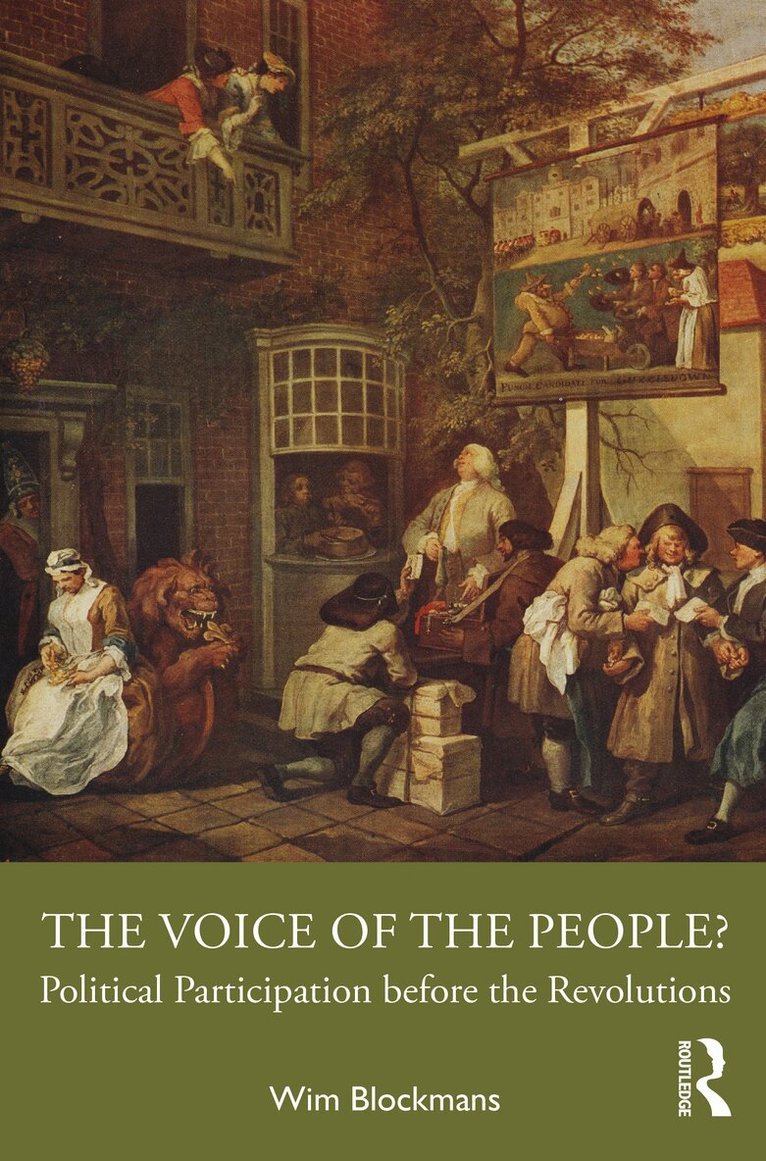

Du kanske också är intresserad av
Parliamentarism in Northern and East-Central Europe in the Long Eighteenth Century
István M. Szijártó, Wim Blockmans, László Kontler
Häftad, 2026
929 kr
Public Policy and the Mass Media
Wim Blockmans, Peter Hoppenbrouwers, Sigrid Koch-Baumgarten, Katrin Voltmer
Häftad, 2015
1 249 kr
Routledge Handbook of Maritime Trade around Europe 1300-1600
Wim Blockmans, Mikhail Krom, Justyna Wubs-Mrozewicz
Inbunden, 2017
5 579 kr
Routledge Handbook of Maritime Trade around Europe 1300-1600
Wim Blockmans, Mikhail Krom, Justyna Wubs-Mrozewicz
Häftad, 2019
1 069 kr