
Del i serien Bloomsbury Studies in Classical Reception
Virgil’s Map
Geography, Empire, and the Georgics
Häftad, Engelska, 2022
689 kr
Beställningsvara. Skickas inom 10-15 vardagar. Fri frakt för medlemmar vid köp för minst 249 kr.
Finns i fler format (1)
Virgil’s Georgics depicts the world and its peoples in great detail, but this geographical interest has received little detailed scholarly attention. Hundreds of years later, readers in the British empire used the poem to reflect upon their travels in acts of imagination no less political than Virgil’s own. Virgil’s Map combines a comprehensive survey of the literary, economic, and political geography of the Georgics with a case study of its British imperial reception c. 1840–1930.Part One charts the poem’s geographical interests in relation to Roman power in and beyond the Mediterranean; shifting readers’ attention away from Rome, it explores how the Georgics can draw attention to alternative, non-Roman histories. Part Two examines how British travellers quoted directly from the poem to describe peoples and places across the world, at times equating the colonial subjects of European empires to the ‘happy farmers’ of Virgil’s poem, perceived to be unaware, and in need, of the blessings of colonial rule.Drawing attention to the depoliticization of the poem in scholarly discourse, and using newly discovered archival material, this interdisciplinary work seeks to re-politicize both the poem and its history in service of a decolonizing pedagogy. Its unique dual focus allows for an extended exploration, not just of geography and empire, but of Europe’s long relationship with the wider world.
Produktinformation
- Utgivningsdatum2022-04-21
- Mått154 x 232 x 14 mm
- Vikt360 g
- FormatHäftad
- SpråkEngelska
- SerieBloomsbury Studies in Classical Reception
- Antal sidor216
- FörlagBloomsbury Publishing PLC
- ISBN9781350194908
Tillhör följande kategorier
Hoppa över listan
Mer från samma serie
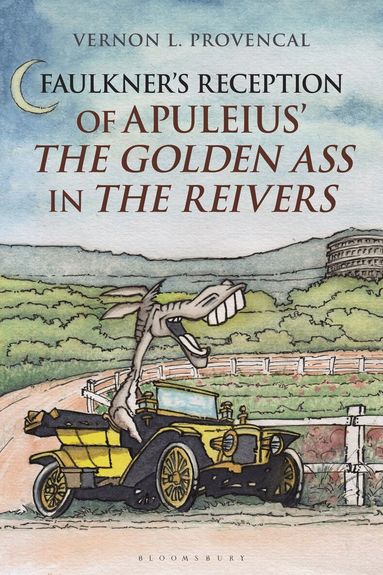
Faulkner’s Reception of Apuleius’ The Golden Ass in The Reivers
Vernon L. Provencal
Inbunden, 2020
2 339 kr
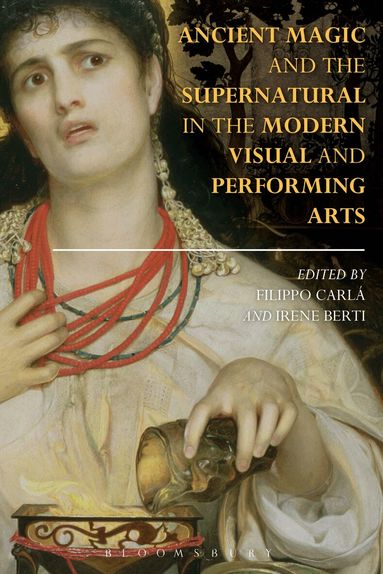
Ancient Magic and the Supernatural in the Modern Visual and Performing Arts
Filippo Carlà-Uhink, Irene Berti
Häftad, 2016
729 kr
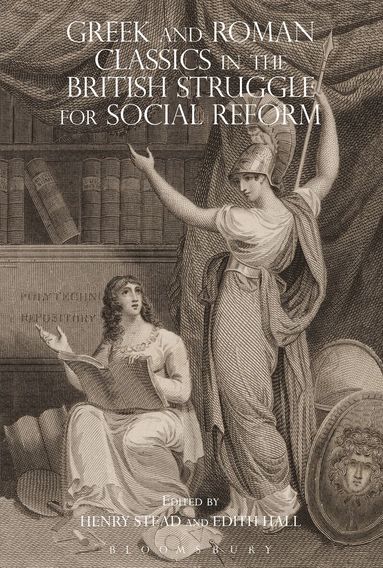
Greek and Roman Classics in the British Struggle for Social Reform
Henry Stead, Edith Hall
Häftad, 2016
839 kr
Hoppa över listan





Du kanske också är intresserad av
- Nyhet
Del 7
- Nyhet
Del 11
- Nyhet
Del 4
- Nyhet
Del 6
- Nyhet
Del 3
- Nyhet