
Del i serien Library of New Testament Studies
Violence of the Lamb
Martyrs as Agents of Divine Judgement in the Book of Revelation
Häftad, Engelska, 2019
639 kr
Beställningsvara. Skickas inom 10-15 vardagar. Fri frakt för medlemmar vid köp för minst 249 kr.
Finns i fler format (1)
The act of martyrdom in the worldview of the Apocalypse has been considered to be an exemplification of non-violent resistance. Paul Middleton argues here, however, that it is in fact a representation of direct participation by Christians, through their martyrdom, in divine violence against those the author of Revelation portrays as God's enemies. Middleton shows that acceptance of martyrdom is to grasp the invitation to participate in the Revelation's divine violence. Martyrs follow the model laid down by the Lamb, who was not only slain, but resurrected, glorified, and who executes judgement. The world created by the Apocalypse encourages readers to conquer the Beast through martyrdom, but also through the experience of resurrection and being appointed judges. In this role, martyrs participate in the judgement of the wicked by sharing the Lamb's power to judge. Different from eschewing violence, the conceptual world of the Apocalypse portrays God, the Lamb, and the martyrs as possessing more power, might, and violent potential than the Emperor and his armies. Middleton believes that martyrdom and violence are necessary components of the worldview of Revelation.
Produktinformation
- Utgivningsdatum2019-11-28
- Mått156 x 234 x 20 mm
- Vikt460 g
- FormatHäftad
- SpråkEngelska
- SerieLibrary of New Testament Studies
- Antal sidor304
- FörlagBloomsbury Publishing PLC
- ISBN9780567692597
Tillhör följande kategorier
Hoppa över listan


Mer från samma författare
Radical Martyrdom and Cosmic Conflict in Early Christianity
Paul Middleton, Chris Keith
Inbunden, 2006
3 259 kr
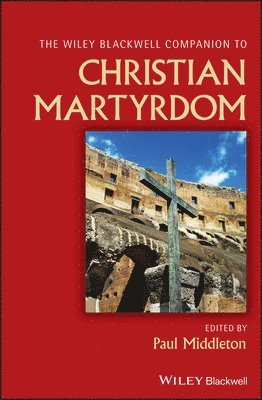
Wiley Blackwell Companion to Christian Martyrdom
Paul Middleton, Paul Middleton
Inbunden, 2020
2 879 kr
Hoppa över listan
Mer från samma serie
Ancient Jewish and Christian Texts as Crisis Management Literature
David C. Sim, Pauline Allen
Häftad, 2014
709 kr
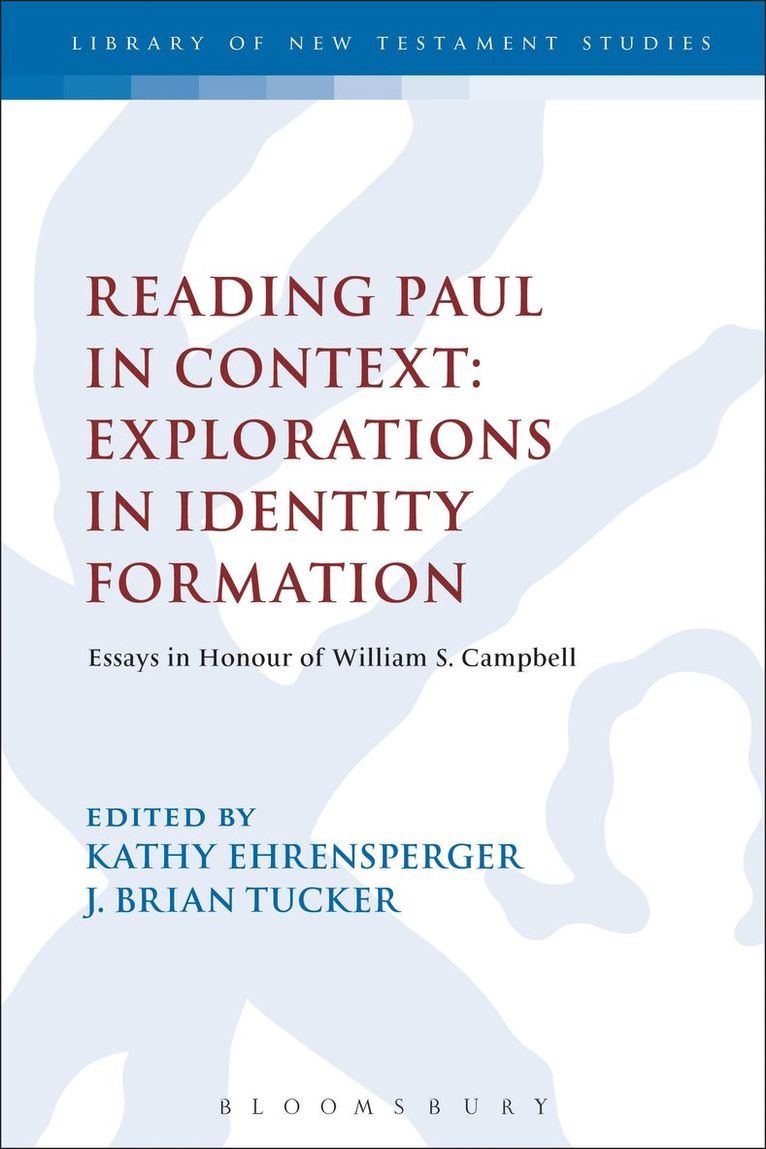
Reading Paul in Context: Explorations in Identity Formation
Brian J. Tucker, Kathy Ehrensperger, J. Brian Tucker
Inbunden, 2010
2 719 kr
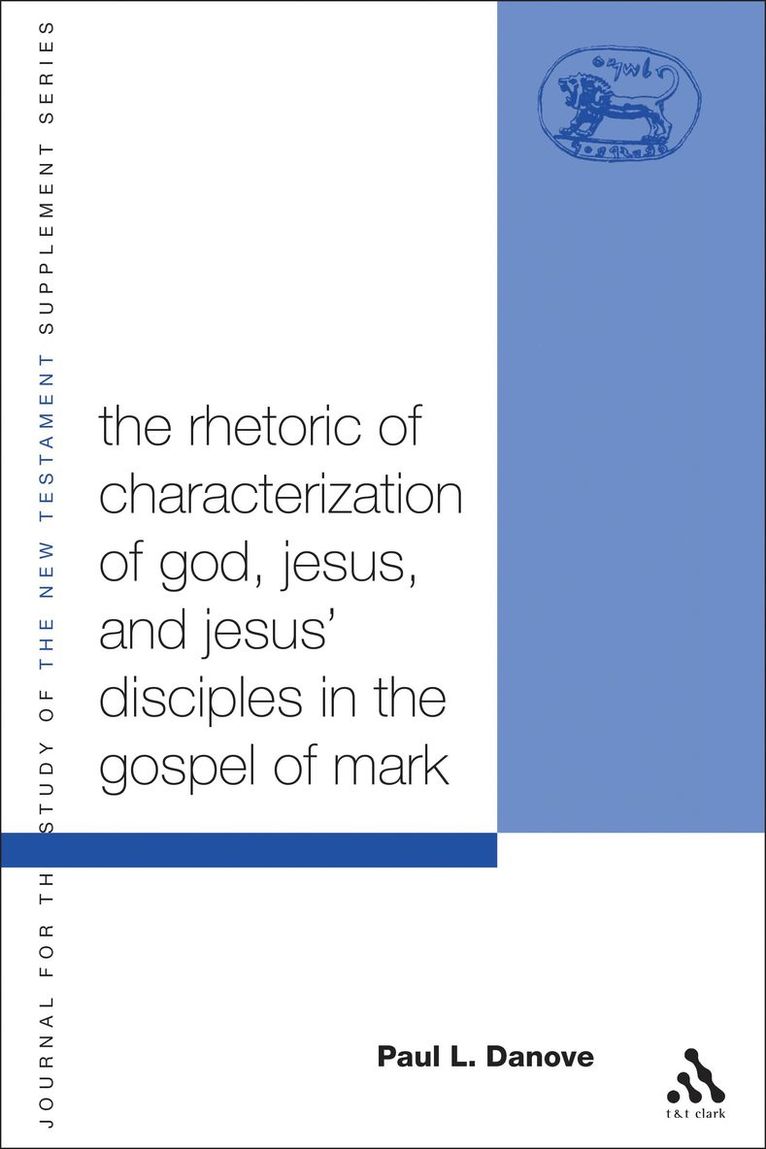
Rhetoric of Characterization of God, Jesus and Jesus' Disciples in the Gospel of Mark
Paul L. Danove, Chris Keith
Häftad, 2005
1 809 kr
Hoppa över listan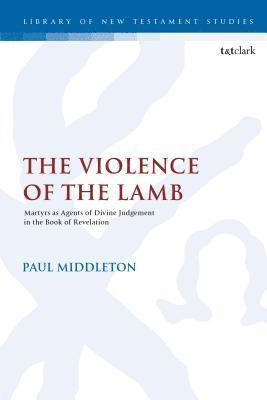
Du kanske också är intresserad av
Wiley Blackwell Companion to Christian Martyrdom
Paul Middleton, Paul Middleton
Inbunden, 2020
2 879 kr
Radical Martyrdom and Cosmic Conflict in Early Christianity
Paul Middleton, Chris Keith
Inbunden, 2006
3 259 kr