
Del i serien R&L Education
Values of American Teachers
How Teachers’ Values Help Stabilize Unsteady Democracy
Inbunden, Engelska, 2013
799 kr
Beställningsvara. Skickas inom 10-15 vardagar. Fri frakt för medlemmar vid köp för minst 249 kr.
Finns i fler format (1)
Education today is increasingly focused on tests and testing. Teachers are being judged on how much they can increase test scores from one year to the next. These year-to-year gains in scores are part of a "value-added" approach to teacher evaluation, and value-added teacher assessment is all the rage now. A main point of this book is that while teachers do add value when they enable students to increase their performance on standardized tests, this is neither the only nor the most important value they add. An analysis of 40 years of data on teachers suggests that an equally if not more important value added is their contribution to the stability of our increasingly unsteady democracy. Teachers help steady modern democracy by teaching children the limits of liberty and by cultivating the social virtues--trust, cooperation, helpfulness, and the like--upon which civil society depends. We need not only to recognize this but also to avoid education policies that undermine their willingness and ability to do so.
Produktinformation
- Utgivningsdatum2013-10-29
- Mått158 x 239 x 15 mm
- Vikt327 g
- FormatInbunden
- SpråkEngelska
- SerieR&L Education
- Antal sidor138
- FörlagBloomsbury Publishing Plc
- ISBN9781475800067
- UtmärkelserWinner of Choice Outstanding Academic Titles 2014
Tillhör följande kategorier
Hoppa över listan



Mer från samma författare
Soros: The Life, Ideas, and Impact of the World's Most Influential Investor
Robert Slater
Inbunden, 2009
679 kr
Del 252
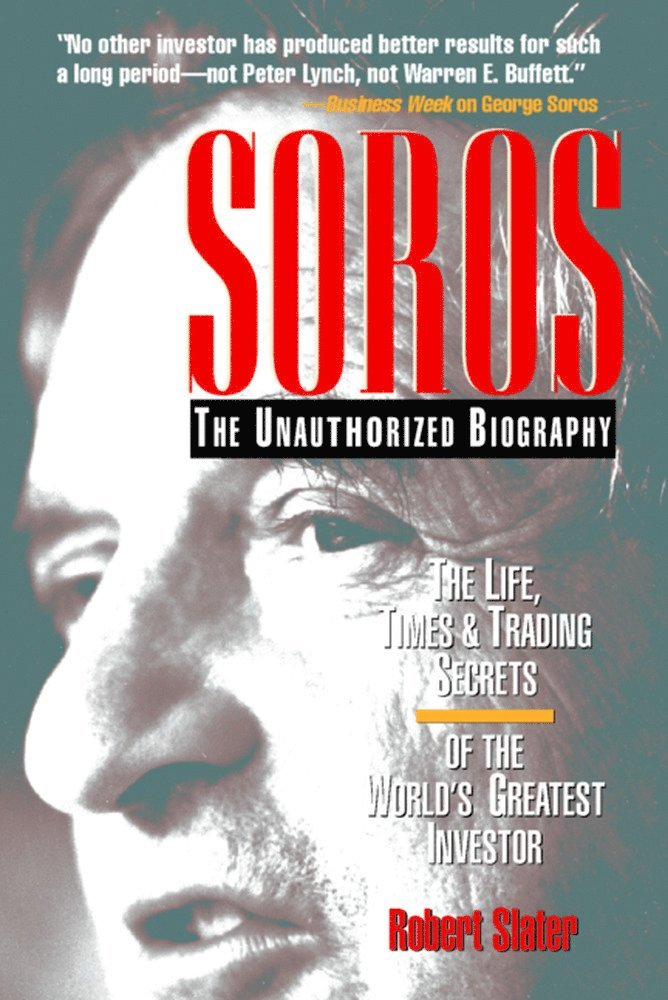
SOROS: The Unauthorized Biography, the Life, Times and Trading Secrets of the World's Greatest Investor
Robert Slater
Inbunden, 1997
549 kr
Hoppa över listan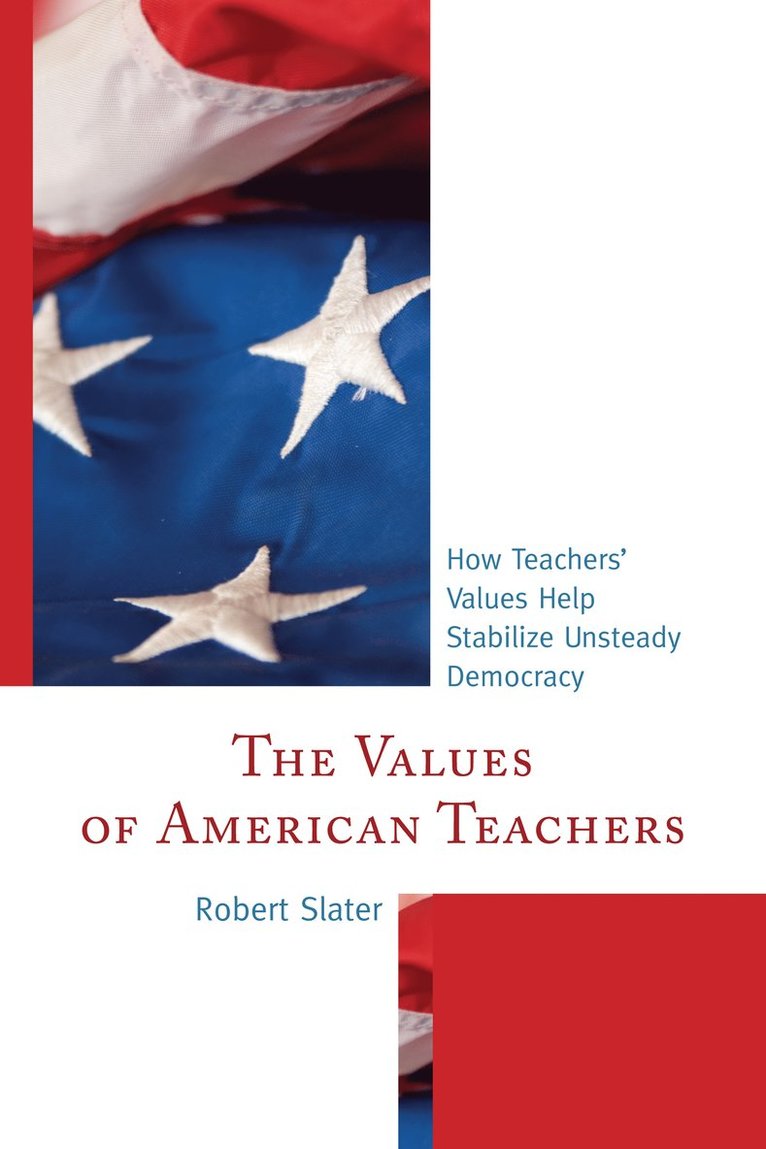

Du kanske också är intresserad av
Del 49
SOROS: The Unauthorized Biography, the Life, Times and Trading Secrets of the World's Greatest Investor
Robert Slater
Inbunden, 1997
549 kr