
Del i serien Stanford Studies in Human Rights
Values in Translation
Human Rights and the Culture of the World Bank
Inbunden, Engelska, 2012
1 409 kr
Beställningsvara. Skickas inom 5-8 vardagar. Fri frakt för medlemmar vid köp för minst 249 kr.
Finns i fler format (1)
The World Bank is the largest lender to developing countries, making loans worth over $20 billion per year to finance development projects around the globe. To guide its investments, the Bank has adopted a number of social and environmental policies, yet it has never instituted any overarching policy on human rights. Despite the potential human rights impact of Bank projects—the forced displacement of indigenous peoples resulting from a Bank-financed dam project, for example—the issue of human rights remains marginal in the Bank's operational practices.Values in Translation analyzes the organizational culture of the World Bank and addresses the question of why it has not adopted a human rights framework. Academics and social advocates have typically focused on legal restrictions in the Bank's Articles of Agreement. This work's anthropological analysis sheds light on internal obstacles including the employee incentive system and a clash of expertise between lawyers and economists over how to define human rights and justify their relevance to the Bank's mission.
Produktinformation
- Utgivningsdatum2012-06-20
- Mått140 x 216 x 22 mm
- Vikt431 g
- FormatInbunden
- SpråkEngelska
- SerieStanford Studies in Human Rights
- Antal sidor216
- FörlagStanford University Press
- ISBN9780804763516
Tillhör följande kategorier
Hoppa över listan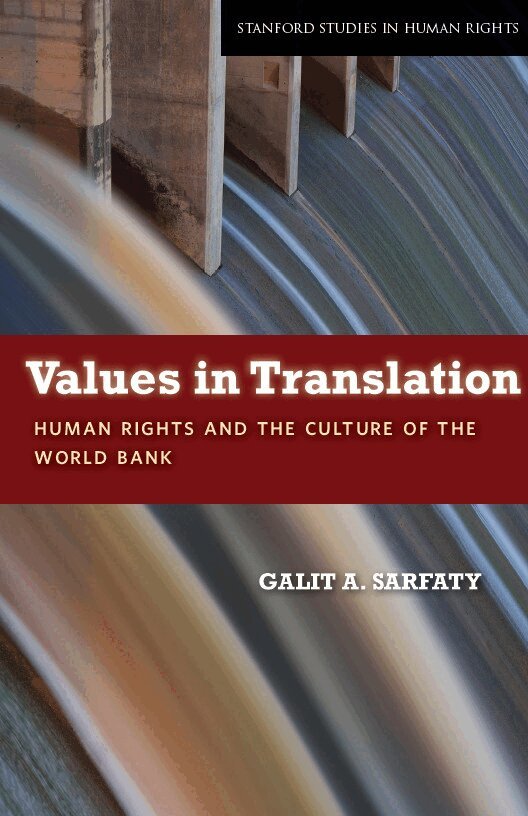









Du kanske också är intresserad av
- Nyhet
Del 3
- Nyhet
Del 4
- Nyhet
Del 6
- Nyhet
- Nyhet
Del 11
Del 1
Del 3
Del 7
- Nyhet