
Del i serien Key Studies in Diplomacy
US cultural diplomacy after the Cold War
Decline, recovery, and fall?
Inbunden, Engelska, 2026
2 649 kr
Beställningsvara. Skickas inom 3-6 vardagar. Fri frakt för medlemmar vid köp för minst 249 kr.
In the decades following the USSR’s collapse, the United States has shifted from unrivalled hegemon to a position of relative decline. Although America appeared dominant after 1991, its culture—like its diplomatic, military, and economic power—faced little competition. Such favourable conditions reduced the perceived need for cultural diplomacy; the government saw little reason to promote a cultural product that seemed to sell itself. After 9/11, however, it became clear that global attitudes toward the United States were less positive than assumed, prompting a renewed emphasis on cultural diplomacy. Despite internal and external challenges, officials supported a range of cultural initiatives to strengthen the American brand abroad. Cultural diplomacy has since adopted new forms of expression to build positive foreign relations. The arrival of the second Trump administration in 2025 has signalled a retreat from using cultural diplomacy to promote empowerment and diversity, leaving its future uncertain.
Produktinformation
- Utgivningsdatum2026-03-10
- Mått156 x 234 x 16 mm
- Vikt562 g
- FormatInbunden
- SpråkEngelska
- SerieKey Studies in Diplomacy
- Antal sidor272
- FörlagManchester University Press
- ISBN9781526188397
Tillhör följande kategorier
Hoppa över listan








Du kanske också är intresserad av
Public Health and the American State
Giles Scott-Smith, Gaetano Di Tommaso, Dario Fazzi
Häftad, 2025
409 kr
Cultural Cold War in Western Europe, 1945-60
G. Scott-Smith, Hans Krabbendam, Giles Scott-Smith
Inbunden, 2004
3 619 kr
Del 4
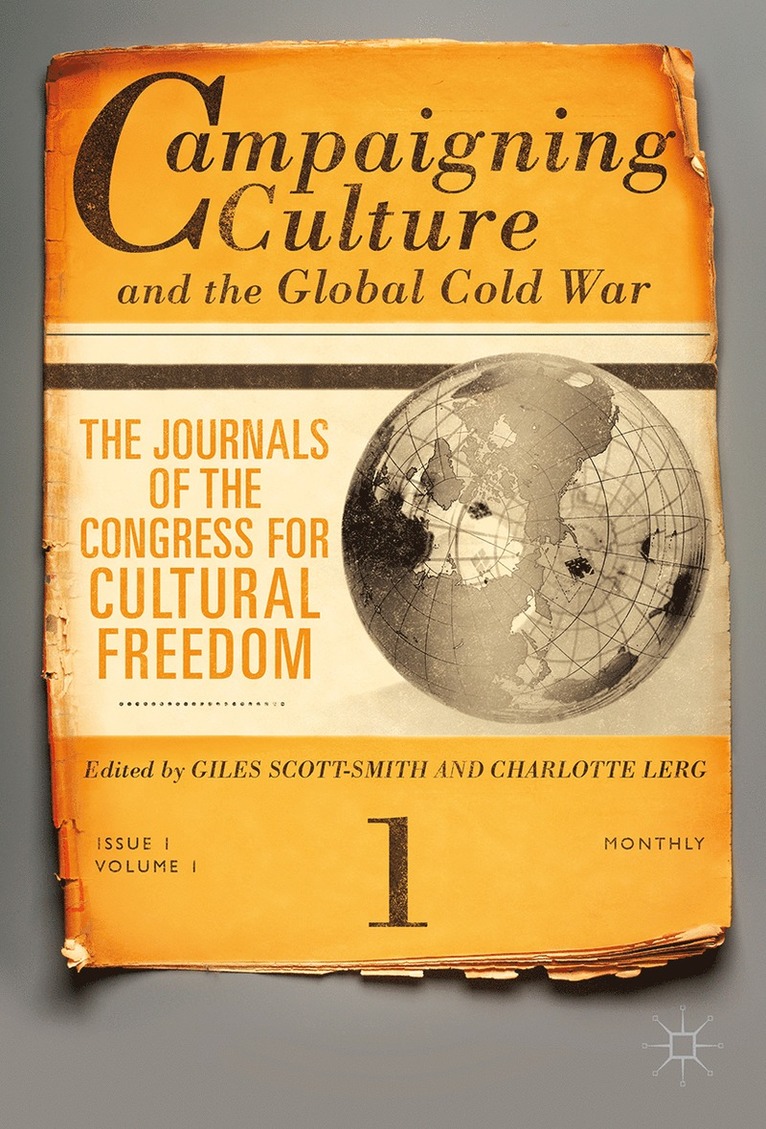
Campaigning Culture and the Global Cold War
Giles Scott-Smith, Charlotte A. Lerg
Inbunden, 2017
1 919 kr
Transnational Anti-Communism and the Cold War
Stéphanie Roulin, Giles Scott-Smith, Kenneth A. Loparo, Luc van Dongen, Stéphanie Roulin, Kenneth A Loparo
Inbunden, 2014
2 069 kr