
Urban Sprawl
A Comprehensive Reference Guide
Inbunden, Engelska, 2005
1 359 kr
Beställningsvara. Skickas inom 10-15 vardagar. Fri frakt för medlemmar vid köp för minst 249 kr.
Urban sprawl is an occurrence that has gained much national attention in recent years. It is not only an issue of land use, but also a legal, political, and social concern. It affects our schools, the environment, and race relations. Comprehensive enough for high school students and also appropriate for undergraduate students, this book delves into the challenges of urban sprawl by looking to some of America's top thinkers on the matter, including Robert Yaro, the President of the Regional Plan Association. Other cutting-edge articles include a preface about the emergence of sprawl by nationally syndicated columnist Neal Peirce, views about race and class by former mayor of Albuquerque David Rusk, and views from Curtis Johnson, president of the Citistates Group, about transportation dynamics. After reading a detailed definition of urban sprawl, students will then explore the dynamics, negative impact, analysis, other cross-cutting issues, and the agenda to deal with sprawl. Complete with a glossary, resources, and contact information for smart growth alliances, this book is extremely user-friendly even for students.Soule offers an unbiased viewpoint of this national event, while still keeping the information accessible to students as well as those who have little background in the matter.
Produktinformation
- Utgivningsdatum2005-12-30
- Mått178 x 254 x 36 mm
- Vikt1 389 g
- FormatInbunden
- SpråkEngelska
- Antal sidor592
- FörlagBloomsbury Publishing Plc
- ISBN9780313320385
Tillhör följande kategorier
Hoppa över listan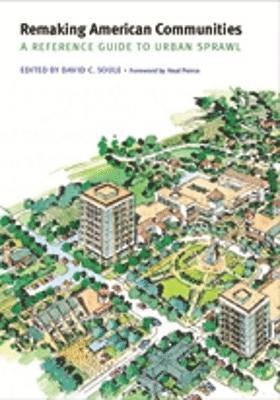







Du kanske också är intresserad av
- Nyhet
- Nyhet
- Nyhet
Del 3
- Nyhet
Del 11
- Nyhet
Del 6
- Nyhet
- Nyhet
- Nyhet
Del 4