
Uneasy Coalition
The Entente Experience in World War I
Inbunden, Engelska, 1993
1 409 kr
Beställningsvara. Skickas inom 10-15 vardagar. Fri frakt för medlemmar vid köp för minst 249 kr.
Wallach provides a pioneering study of coalition warfare. Using World War I as a case study, Wallach examines such important aspects as Allied pre-war planning; the particularistic interests of coalition partners; human relations; the framework for coordination mechanisms within coalitions; the application of such concepts as a general reserve, unified command, and amalgamation of forces; logistical problems; war finance; and the transition from war to peace.In the process, Wallach shows that coalition warfare is among the most difficult forms to develop and maintain successfully. Unfortunately, as recent post-Cold War experiences illustrate, coalition warfare is an ongoing military issue. As such, this book will be of great interest to military planners as well as students of the history of World War I.
Produktinformation
- Utgivningsdatum1993-08-30
- Mått161 x 240 x 16 mm
- Vikt482 g
- FormatInbunden
- SpråkEngelska
- Antal sidor208
- FörlagBloomsbury Publishing Plc
- ISBN9780313288791
Tillhör följande kategorier
Hoppa över listan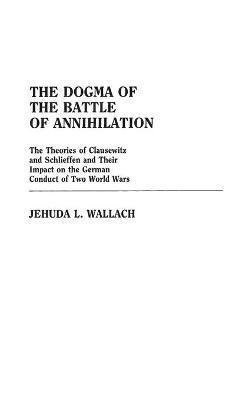






Du kanske också är intresserad av
- Nyhet
Del 3
- Nyhet
Del 11
- Nyhet
- Nyhet
Del 4
Del 1
- Nyhet
Del 4
- Nyhet
Del 6
Del 3