
Del i serien Crimes of the Powerful
Uncovering the Crimes of Urbanisation
Researching Corruption, Violence and Urban Conflict
Häftad, Engelska, 2021
919 kr
Beställningsvara. Skickas inom 10-15 vardagar. Fri frakt för medlemmar vid köp för minst 249 kr.
Finns i fler format (1)
From the social cleansing of cities through to indigenous land struggles at the frontline of extraction megaprojects, planetary urbanisation is a contested process that is radically shaping social life and the sustainability of human civilisation. In this pioneering intervention, it is maintained that this turbulent planetary process is also a potent space for state–corporate criminality. Market manipulation, fraud, corruption, violence and human rights abuses have become critical spokes in the way space is being transformed to benefit speculative interests. This book not only offers investigative data that documents in detail the intricate ways state and corporate actors collude to profit from the built environment; it also establishes the tools for building a research agenda that can interrogate the crimes of urbanisation on a comparative, longitudinal basis.The author sets out an investigative methodology which can be appropriated to conduct probing research into the hidden schemas and forms of collusion that buttress state–corporate criminality in the urban sphere. Coupled to this, a theoretical framework is developed for thinking about the networks, processes and mechanisms at the heart of property market manipulation, and the broader social relationships that sustain and reward illicit speculative activity. This book concludes that researchers and civil society have a critical role to play in challenging a historical form of planetary urbanisation, marked by endemic state–corporate criminality, that poses significant threats to the sustainability of lived communities and the rich biospheres that they depend upon.This book will be of interest to criminologists, sociologists, human geographers, political scientists and those engaged with development studies, as well as civil society organisations and urban researchers.
Produktinformation
- Utgivningsdatum2021-03-31
- Mått156 x 234 x 21 mm
- Vikt500 g
- FormatHäftad
- SpråkEngelska
- SerieCrimes of the Powerful
- Antal sidor254
- FörlagTaylor & Francis Ltd
- ISBN9780367481964
Tillhör följande kategorier
Hoppa över listan
Mer från samma serie
Revisiting Crimes of the Powerful
Steven Bittle, Laureen Snider, Steve Tombs, David Whyte
Häftad, 2021
919 kr
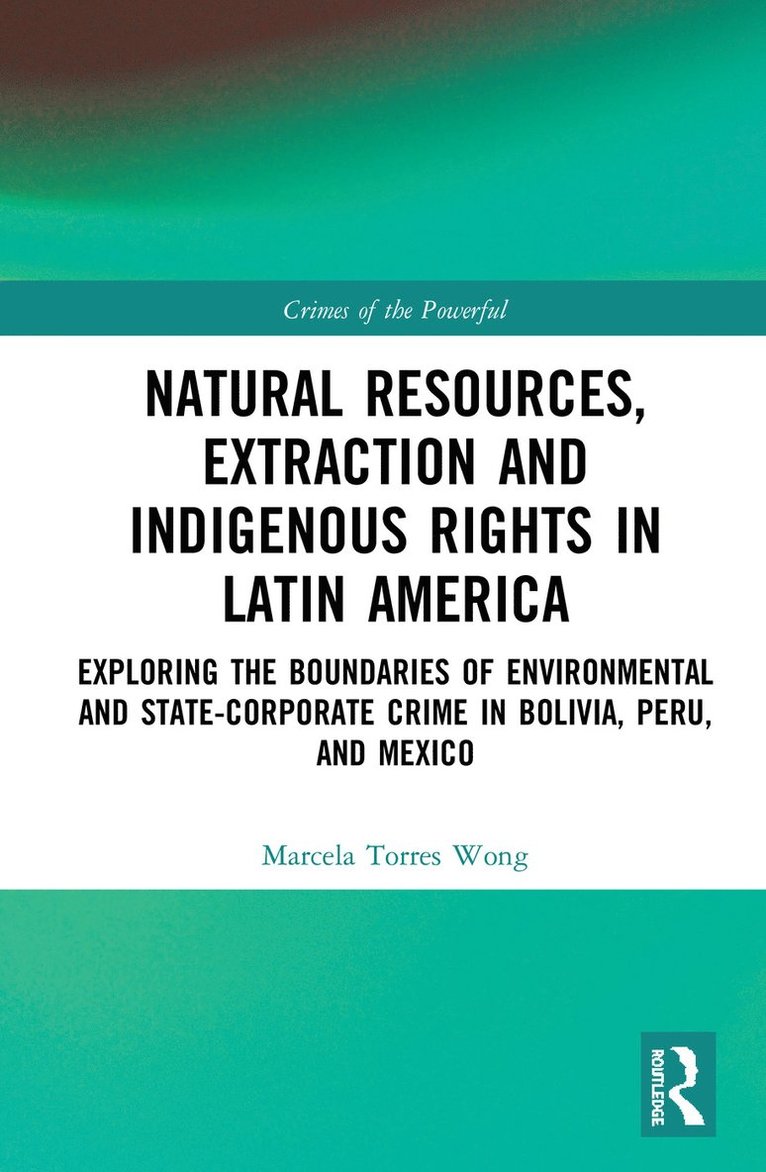
Natural Resources, Extraction and Indigenous Rights in Latin America
Marcela Torres Wong
Häftad, 2021
919 kr
Hoppa över listan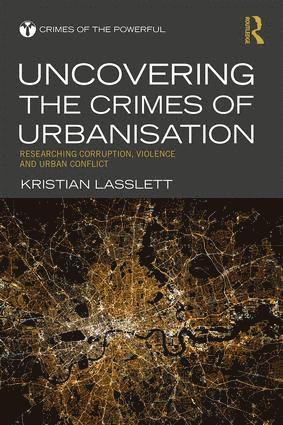

Du kanske också är intresserad av
Natural Resources, Extraction and Indigenous Rights in Latin America
Marcela Torres Wong
Inbunden, 2018
3 209 kr